From the file. Written for the paper dated May 1981. Opened in the public stacks July 14, 2026.
In the wake of volcanic eruptions, media coverage often dwindles, leaving critical scientific insights and implications unexamined. The recent activity at Mount St. Helens serves as a case study in how the public's attention can shift rapidly, sidelining the ongoing need for vigilance and understanding.
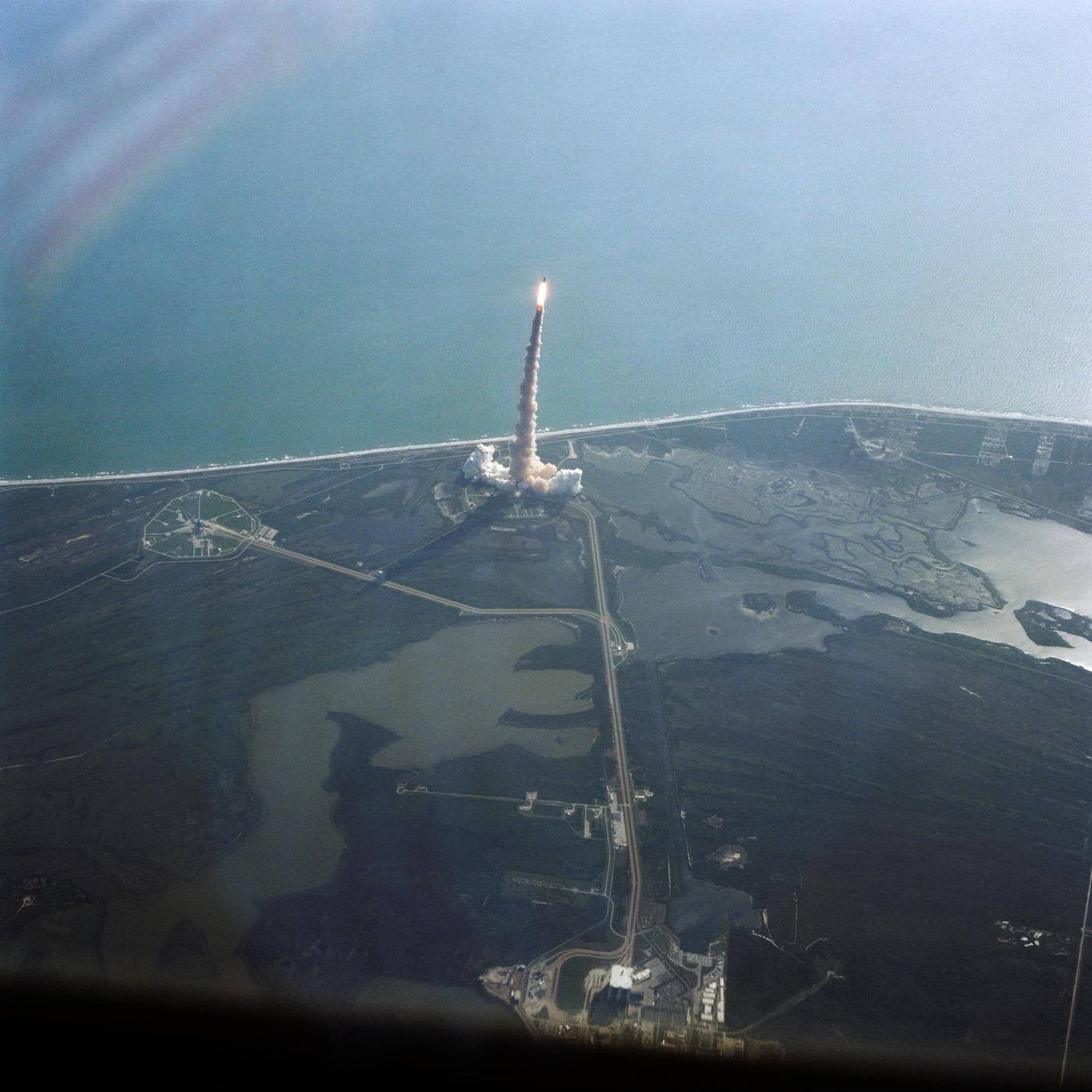
What Happens After the Headlines Fade
As the ash clouds settle and the immediate danger passes, the spotlight on volcanic activity often dims. This phenomenon can lead to a dangerous complacency among the public and policymakers alike. The eruption of Mount St. Helens has brought forth a flurry of reports and spectacular imagery, captivating the nation. Yet, as the media shifts its focus to the next big story, crucial questions remain unanswered, and vital research efforts may suffer from the lack of sustained attention.
"The danger of a volcano is not just in its eruption, but in the unpredictability of its behavior." - Dr. Elizabeth Hargrove, volcanologist
Volcanologists emphasize that volcanoes are complex systems, often requiring years of study to fully understand their behavior. The recent eruption has highlighted the need for ongoing monitoring and research to provide accurate predictions and improve safety measures. However, the public tends to think of volcanic activity as a one-time event, forgetting that the geological processes at play continue long after the initial eruption has faded from the news cycle.
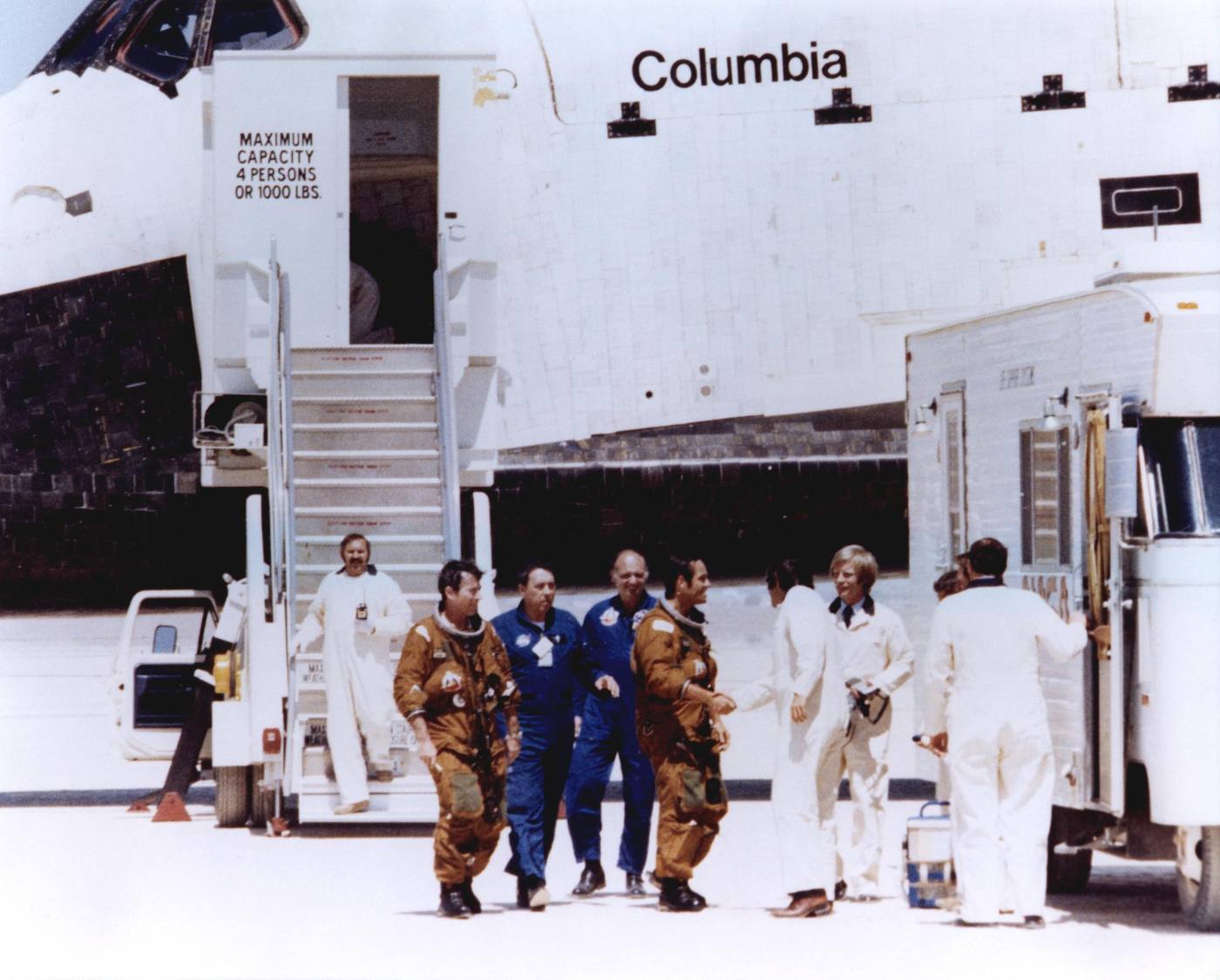
The Role of Science in Public Awareness
One of the central issues at hand is the gap between scientific knowledge and public understanding. Scientists provide invaluable insights into the behavior and risks associated with volcanoes, yet much of this information remains buried beneath the headlines. In the case of Mount St. Helens, while we have seen impressive images and heard dramatic accounts, the underlying science - such as the monitoring of gas emissions, ground deformation, and seismic activity - has not received the attention it deserves.
As the volcano settles into what may be a new phase of activity, the scientific community urges that sustained monitoring is essential. Public perception often leans toward the sensational, which can lead to a misunderstanding of the actual risks. The reality is that volcanoes can remain active for years or even decades after an eruption, and neglecting to communicate this information can have dire consequences.
Critique of Media Coverage
The media's focus on immediate drama often overshadows the more mundane but essential aspects of volcanic science. While covering the excitement of an eruption captures viewers' attention, the subsequent need for ongoing monitoring and research is often relegated to the background. This is a disservice to the public, who may not understand that the danger is not confined to the explosion itself but extends to the potential for future eruptions and the long-term effects on the environment and local communities.
"Understanding volcanoes requires patience and ongoing engagement, not just a fleeting moment in the news." - Dr. Michael Ross, geologist
In addition, the sensationalism often seen in media portrayals can lead to misinformation. The portrayal of scientists as merely waiting for the next eruption can further alienate the public from the scientific process. Instead, we should be fostering a culture of understanding that emphasizes the importance of continued research and monitoring, treating volcanology not as a one-off event but as a continuous endeavor.
The Political Response
On the political side, the aftermath of volcanic eruptions often prompts calls for increased funding for research and monitoring. However, these initiatives can be short-lived, as the urgency fades when the immediate threat subsides. This creates a cycle where funding is allocated in bursts rather than as part of a long-term strategy for disaster preparedness and scientific inquiry. Such an approach can lead to gaps in our understanding and, ultimately, in our ability to respond effectively to future eruptions.
As we move forward, it is imperative that we advocate for a balanced perspective that recognizes both the immediate and long-term challenges posed by volcanic activity. This includes a commitment to ongoing research, an emphasis on public education, and a more nuanced approach to media coverage that reflects the complexities of volcanic science.
In conclusion, while the initial excitement of a volcanic eruption may capture public attention, it is the sustained effort to understand and monitor these natural phenomena that will ultimately determine our safety and preparedness. Let us not allow the headlines to fade without ensuring that the crucial work of scientists continues unabated.
✦ ✦ ✦