From the file. Written for the paper dated May 1981. Opened in the public stacks July 14, 2026.
As labor strikes capture the headlines, the underlying complexities and consequences often remain obscured from public view. The recent wave of strikes across various sectors has ignited both fervent support and harsh criticism, revealing a nation divided in its understanding of labor rights and economic realities.
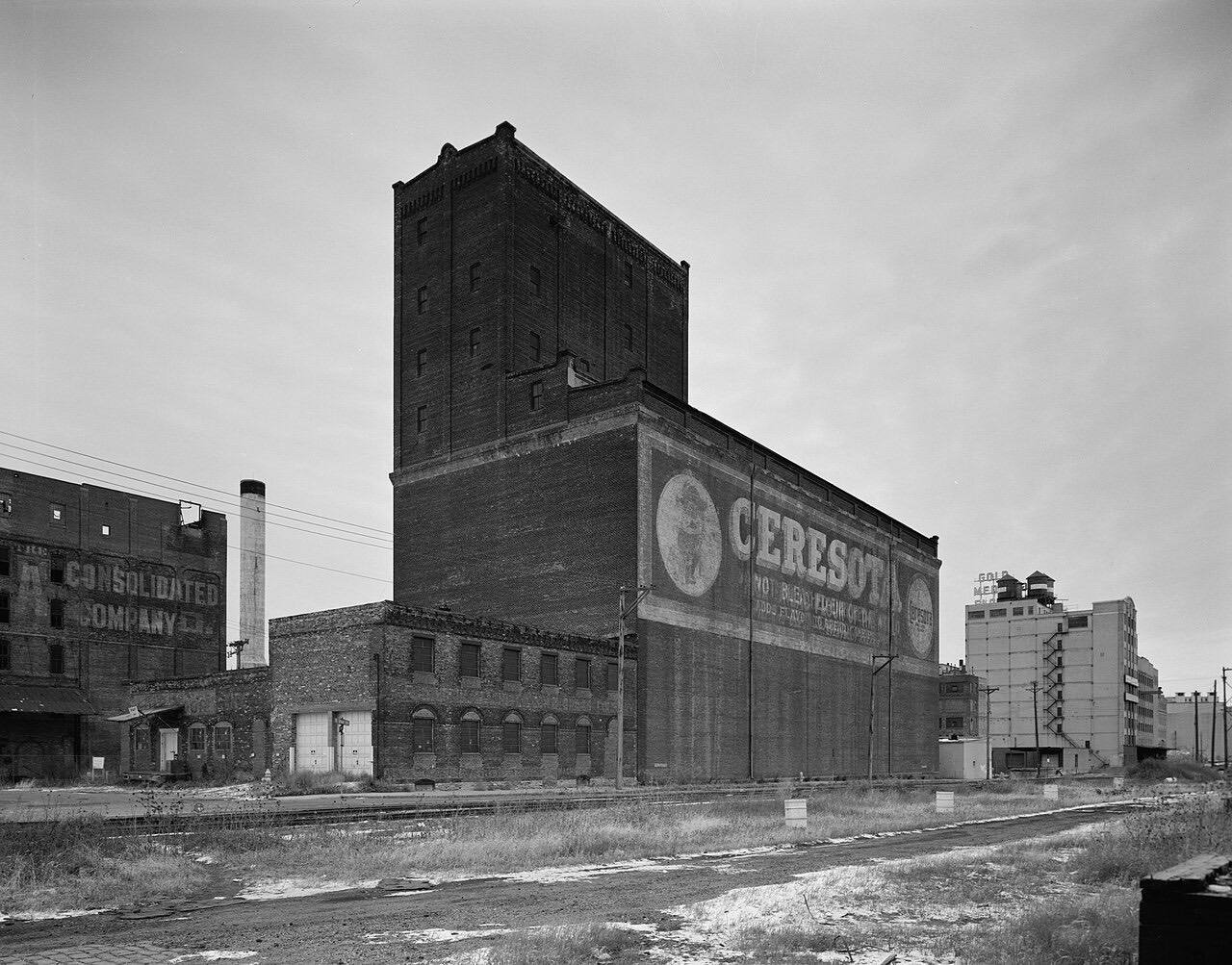
The Unseen Impacts of Strikes
When workers walk off the job, it's not just a momentary disruption in productivity; it represents a clash of ideologies and an urgent plea for attention to the issues that matter most to the labor force. The headlines may focus on the immediate impact - lost revenue, delayed shipments, and the specter of inflation - but they often overlook the human elements of these disputes.
“The struggle for fair wages and working conditions is not just a moment; it’s a movement.”
Take, for instance, the striking workers at the local steel mill. Their grievances extend beyond mere paychecks; they are fighting for safety regulations, job security, and the right to collectively bargain. Yet, when news outlets report on the strike, the narrative frequently veers toward the economic repercussions rather than addressing the fundamental human elements at play.

Polarized Perspectives
The current political landscape reveals a stark divide between the left and the right as they weigh in on labor strikes. The left tends to champion the cause of workers, framing them as heroes in a battle against corporate greed and exploitation. While this rhetoric is vital for raising awareness, it can sometimes veer into an oversimplification of the situation. Not all companies are monolithic villains; many are trying to navigate a challenging economy while maintaining their workforce.
Conversely, the right often takes a more critical stance, depicting striking workers as irresponsible and detrimental to the economy. This perspective can lead to a call for harsh measures against labor actions, emphasizing the need for stability and order over workers' rights. However, such a viewpoint risks ignoring the very real struggles workers face in their daily lives, reducing their demands to mere inconveniences for the broader economy.
The Narrative Gap
One of the most significant gaps in the coverage of labor strikes is the absence of worker voices. Often relegated to brief soundbites, the experiences and stories of those involved in the strikes do not receive the attention they deserve. The narrative is largely shaped by corporate spokespeople or political leaders, who may not fully comprehend the struggles faced by the average worker.
Moreover, the media's tendency to sensationalize strikes for dramatic effect can distort the true motivations behind these actions. Strikes are not always indicative of a failure to negotiate; they can also serve as a last resort for workers who feel unheard and undervalued. The complexities of these disputes often get lost in the chase for a compelling headline.
Finding Common Ground
As the nation grapples with economic uncertainty, there is a pressing need for dialogue that transcends partisan divides. Both sides of the political spectrum must acknowledge that a healthy economy relies on the well-being of its workers. Striking a balance between corporate interests and labor rights is essential for fostering a productive environment where both can thrive.
In the end, the resolution to these labor disputes may lie not in further polarization but in a shared commitment to understanding the complexities of the workforce. By listening to the stories of those affected by strikes, we can begin to bridge the gap between ideology and reality.
Conclusion: A Call for Understanding
As headlines about labor strikes continue to dominate our news cycles, it is crucial to remember that these events are not merely economic phenomena; they are reflections of individuals' lives and aspirations. Recognizing the multifaceted nature of labor disputes can lead to more informed discussions, promoting a collaborative approach to resolving conflicts that respects both workers' rights and the economic realities of businesses.
✦ ✦ ✦