From the file. Written for the paper dated May 1981. Opened in the public stacks July 14, 2026.
As the dust settles from the recent cabinet nomination announcements, a careful examination reveals that much of the critical discussion often gets lost in the shuffle of political headlines.
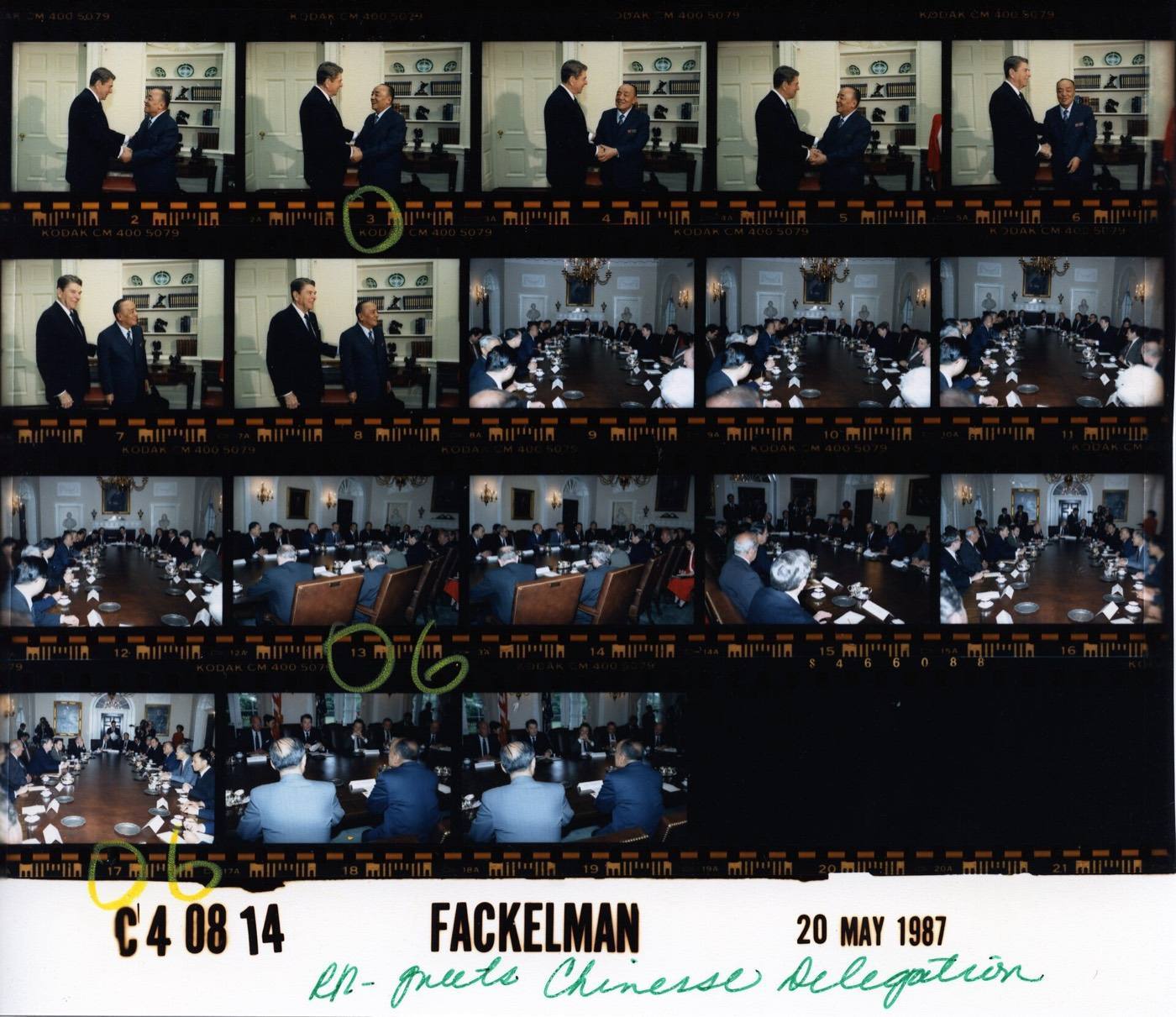
Who's in the Cabinet?
The excitement surrounding cabinet nominations typically reaches a fever pitch in the days following an announcement. Politicians, pundits, and the public eagerly scrutinize the backgrounds, qualifications, and political affiliations of the nominees. Yet, what often gets overshadowed in the flurry of speculation is the broader context in which these nominations take place. Who is left out? What issues are ignored? These questions are paramount as we consider the implications of the new appointments.
The Left's Call for Diversity
On one side of the political spectrum, the left is clamoring for a cabinet that reflects the diversity of America. Activists urge the administration to include voices from various racial, gender, and socioeconomic backgrounds. While the desire for diversity is commendable, there is a risk of prioritizing representation over qualifications. The push for a cabinet that reflects the demographic makeup of the nation must not come at the expense of appointing the most competent individuals. Critics argue that some of the nominations have been influenced more by political correctness than by expertise.

The Right's Focus on Loyalty
Conversely, the right often emphasizes loyalty to party ideals and a strict adherence to conservative principles. This has led to nominations that prioritize ideological alignment over the ability to effectively govern. While it is essential for cabinet members to share the administration's vision, a narrow focus on loyalty can stifle innovation and diverse perspectives. The cabinet must be a body that can challenge one another's ideas, fostering a dynamic environment that encourages debate and drives effective policy-making.
"A cabinet should not just be a reflection of political ideology but a melting pot of ideas."
What’s Missing from the Briefings?
As briefings come and go, it becomes evident that vital issues often slip through the cracks. For instance, critical areas such as environmental policy, education reform, and healthcare are frequently sidelined during the nomination process. Nominees may have impressive resumes, but their stances on pressing issues are often glossed over in favor of discussing their party loyalty or demographic background.
Take, for example, the issue of environmental policy. With climate change becoming an ever-pressing concern, one would expect thorough discussions regarding the nominees' commitment to sustainable practices and regulatory measures. Yet, these conversations are often overshadowed by debates over political affiliations and personal histories. The result is a cabinet that might not be fully equipped to address one of the most critical challenges of our time.
Public Engagement and Accountability
Another aspect that is conspicuously absent from the briefings is public engagement. The cabinet should not operate in a vacuum; it must be held accountable to the citizens it serves. As nominations are announced, there should be a more concerted effort to involve the public in the vetting process. Open forums and public comment periods could provide invaluable insights into nominees’ qualifications and how they align with the needs of the community.
The Role of the Media
Media coverage plays a significant role in shaping public perception of cabinet nominations. Outlets tend to focus on sensationalized aspects, such as personal scandals or controversial remarks, rather than delving into the substantive qualifications and policy positions of the nominees. This creates a distorted view of the cabinet that can lead to misinformed public opinion. A more in-depth approach that prioritizes issues over personalities would benefit both the media and the public.
The Path Forward
In light of these considerations, it is essential for both the left and right to reassess their approaches to cabinet nominations. The left must ensure that diversity does not come at the expense of competency, while the right should recognize that loyalty should not overshadow the need for skilled governance. Both sides would benefit from a renewed commitment to transparency, public engagement, and substantive discussions about the critical issues facing our nation.
As we await the final confirmations, it is crucial to remember that the cabinet is more than just a collection of nominees; it is a representation of our nation's values, priorities, and future. Let us hope that the discussions surrounding these appointments will rise above partisan politics and focus on the pressing challenges that lie ahead.
✦ ✦ ✦