From the file. Written for the paper dated April 1981. Opened in the public stacks July 14, 2026.
As the 1980 election cycle gears up, campaign finance has become a hot-button issue, igniting debates across the political spectrum. But what do the numbers actually show?
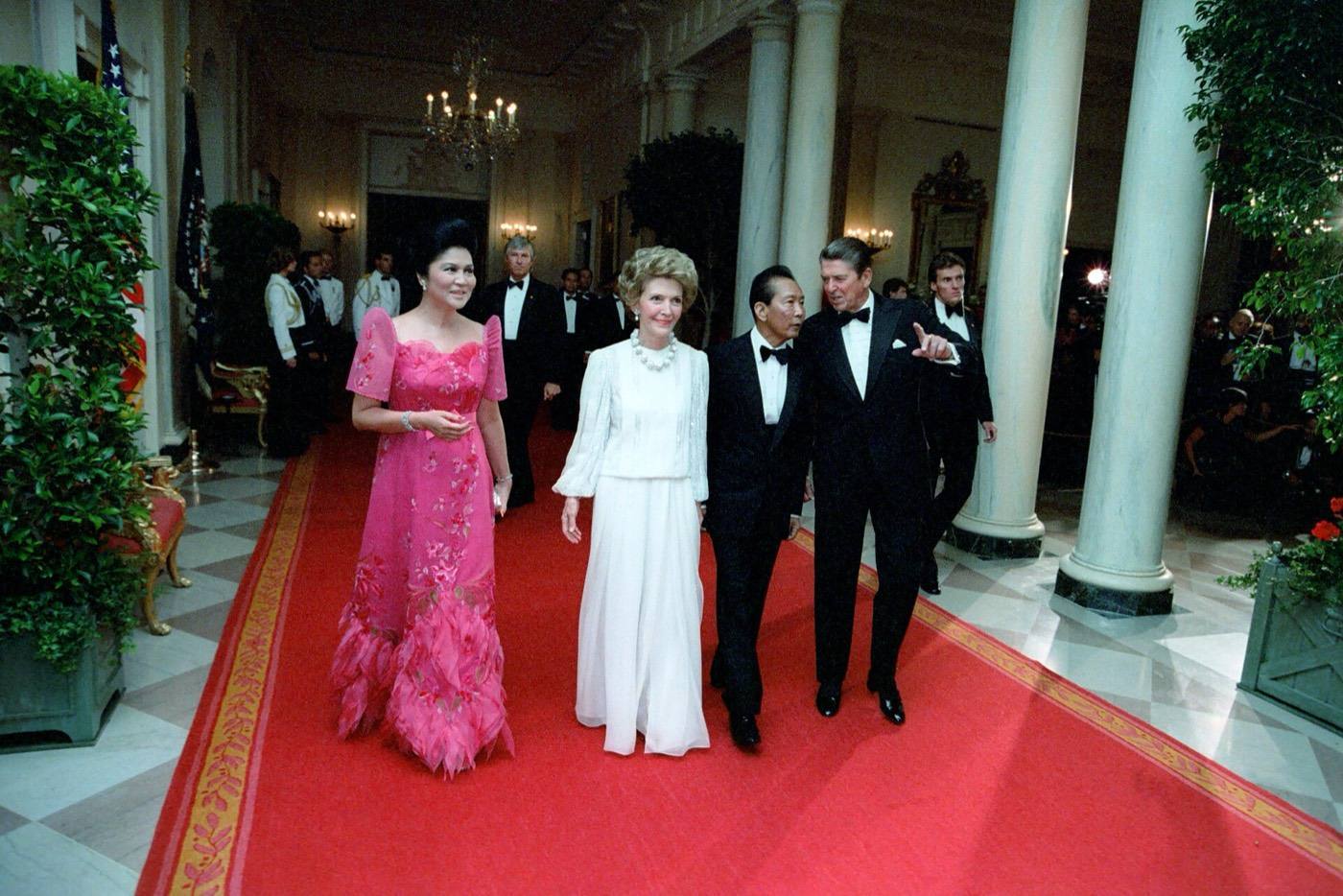
The Landscape of Campaign Contributions
In the wake of the Watergate scandal, public scrutiny of campaign financing has never been more intense. The Federal Election Commission's regulations were supposed to promote transparency, yet the reality is anything but clear. The figures emerging from this season’s fundraising efforts reveal not just the sheer scale of money in politics, but the underlying implications of who is contributing and why.
Recent reports indicate that the amount of money raised by candidates has skyrocketed, creating a stark contrast between those with substantial financial backing and those without. The figures suggest that incumbents, benefiting from established donor networks, are often at a distinct advantage. This raises questions about the fairness of our electoral process.
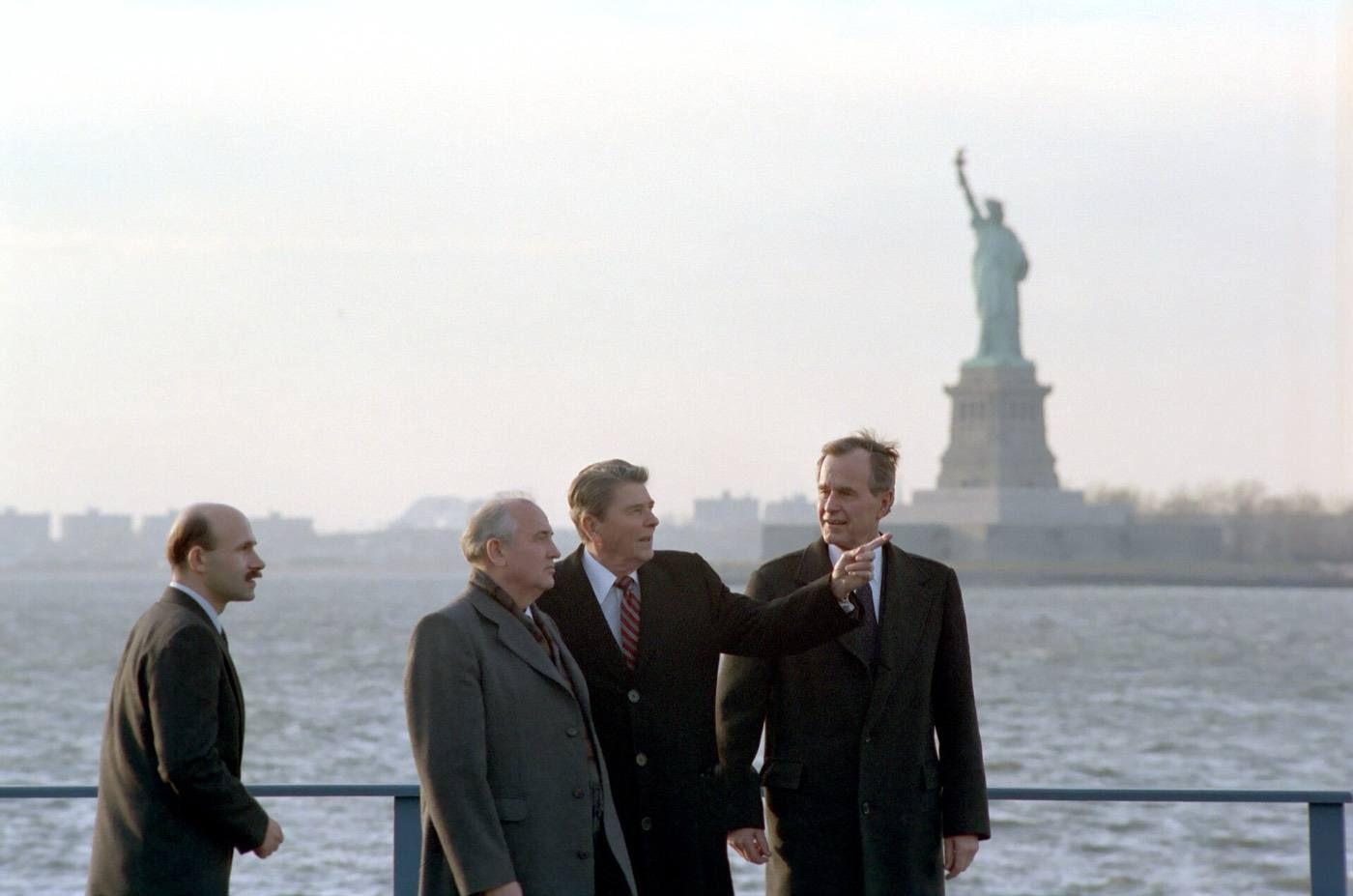
The Left: The Dangers of Overregulation
On the left, there is a growing call for stricter regulations on campaign financing, aimed at curbing the influence of wealthy donors. While the intention is noble, the potential consequences of overregulation cannot be ignored. Excessive restrictions could stifle the voices of grassroots movements and small-donor campaigns that rely on the freedom to raise funds without excessive bureaucratic hurdles.
“We must ensure that every voice is heard, not just the wealthy few.”
This sentiment, while compelling, risks creating an environment where only those with the resources to navigate the complex regulatory landscape will be able to compete effectively. The left must tread carefully, balancing the need for transparency with the realities of fundraising in a competitive political climate.
The Right: Embracing Corporate Influence
Conversely, the right has largely embraced the influx of corporate money, arguing that it represents free speech and the right of individuals and organizations to support candidates of their choice. However, this stance often overlooks the potential for corruption and the erosion of democratic principles. The increasing reliance on corporate contributions can skew a candidate's priorities, aligning them more closely with corporate interests than with the needs of their constituents.
“Money is speech, and we must protect that speech at all costs.”
This unwavering commitment to deregulation raises legitimate concerns about accountability and the integrity of our electoral process. When candidates are beholden to corporate benefactors, the risk of policies favoring special interests over the public good becomes alarmingly high.
The Middle Ground: Finding a Balance
As both sides dig in their heels, a reasoned middle ground appears increasingly elusive. The reality is that while campaign finance reform is necessary, the approaches taken by both extremes may ultimately hinder meaningful change. We need a system that both encourages participation and reduces the potential for corruption without stifling the voices of the many.
One potential solution lies in promoting small-donor matching systems, where contributions from ordinary citizens are matched by public funds. This would incentivize candidates to engage with their constituents and could help level the playing field between incumbents and challengers.
Conclusion: A Call for Reform
The numbers tell a compelling story about the current state of campaign finance in America. With the stakes higher than ever, it is crucial that we approach this issue with a sense of urgency and a commitment to reform. Both the left and the right must acknowledge the excesses of their respective positions and work toward a system that prioritizes the integrity of our democracy.
The time for action is now. Our electoral process deserves better than the influence of money, and it is up to all of us to advocate for a fair and equitable system that truly represents the will of the people.
✦ ✦ ✦