From the file. Written for the paper dated April 1981. Opened in the public stacks July 14, 2026.
As America stands at the crossroads of an increasingly aging population, the implications of these demographic shifts are multifaceted and demand a nuanced understanding that transcends sensational headlines.
The Aging Phenomenon: A Closer Look
The topic of an aging population has been central to conversations in health policy and economic forecasting. Projections suggest that by the year 2000, one in five Americans will be over the age of 65. This demographic change raises questions not only about healthcare needs but also about the workforce, social security, and the responsibilities that younger generations bear.
While some alarmists paint a dire picture of a nation overwhelmed by elderly citizens needing care, a deeper examination reveals a more complex reality. Contrary to the belief that a larger elderly population automatically equates to a burden on society, the data also indicates potential for contributions from older adults, not just costs.
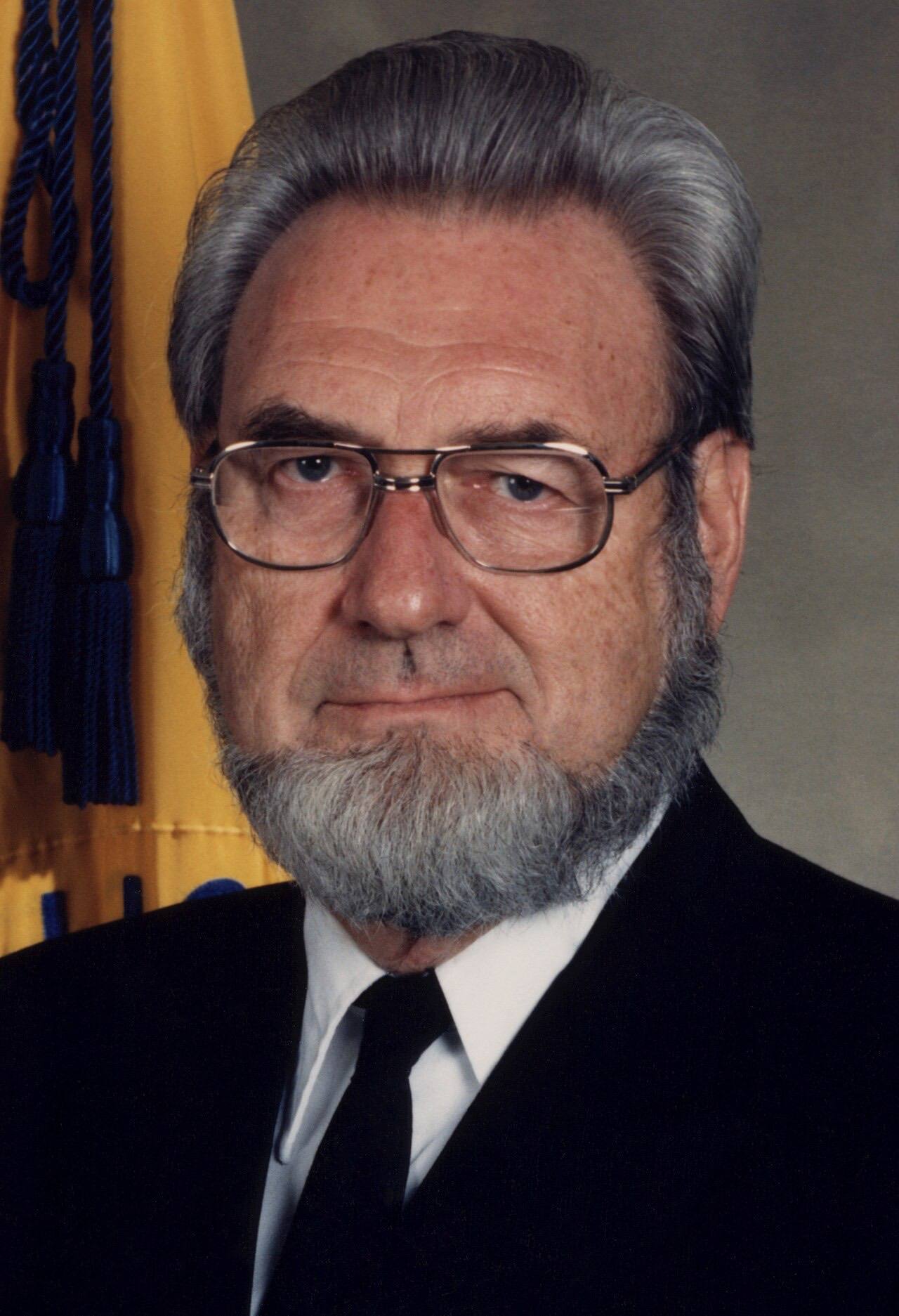
“The elderly are not just recipients of care; they can also be valuable contributors to the economy.”
Understanding the Numbers
As of now, statistics show that the population aged 65 and older is growing at a faster rate than any other age group. However, this does not mean that all elderly individuals are dependent or incapable. Many seniors are healthy, active, and eager to engage in their communities. According to recent studies, a significant number of older adults participate in volunteer work, and their contributions to the economy through unpaid labor cannot be overlooked.
Moreover, advancements in healthcare are extending life expectancy, meaning that many people are living longer, healthier lives. This shift presents both challenges and opportunities. The aging population may require more healthcare services, but it also means a growing market for industries focused on wellness, leisure, and senior services. Businesses that recognize this trend can thrive by catering to an older demographic that is often overlooked.
The Political Landscape
Yet, the conversation around aging is often polarized. On one side, conservative voices frequently argue against government spending on social programs designed to assist the elderly, claiming that such expenditures threaten the financial stability of the nation. They warn of a looming crisis, insisting that younger generations will bear the brunt of the costs. This perspective, while not entirely unfounded, can sometimes overlook the potential for economic engagement from older citizens.
On the other side, liberal advocates might push for expansive social programs that promise to care for the elderly at all costs. While compassion for the elderly is laudable, this approach can lead to excessive spending without addressing the root causes of dependency, such as lack of access to preventive healthcare or inadequate social services for younger populations. The challenge lies in finding a balanced approach that considers both immediate needs and long-term sustainability.
A Path Forward
The solution may be in fostering intergenerational collaboration. Programs that encourage mentorship between younger and older individuals can bridge the gap, allowing for knowledge transfer and mutual support. Additionally, communities should invest in resources that empower older adults to remain active and engaged. Access to fitness programs, educational opportunities, and social activities not only enhances their quality of life but also alleviates potential burdens on healthcare systems.
Furthermore, the business sector must recognize the value of older consumers. As they become a larger portion of the market, their preferences and needs should shape product development and services. Companies that innovate in this space can not only drive profits but also enrich the lives of older Americans.
Conclusion
In conclusion, the aging population presents both challenges and opportunities. As America grapples with this demographic shift, it is crucial to engage in informed discussions that avoid extremes. Both the left and the right must find common ground to develop policies that address the needs of older adults while ensuring sustainability for future generations. Rather than succumbing to fear or idealism, the focus should be on fostering a society that values and empowers every age group.
✦ ✦ ✦