From the file. Written for the paper dated March 1981. Opened in the public stacks July 14, 2026.
In a world where the line between fact and fiction often blurs, the recent surge in interest surrounding radar anomalies sheds light on society's persistent quest for certainty amidst uncertainty.
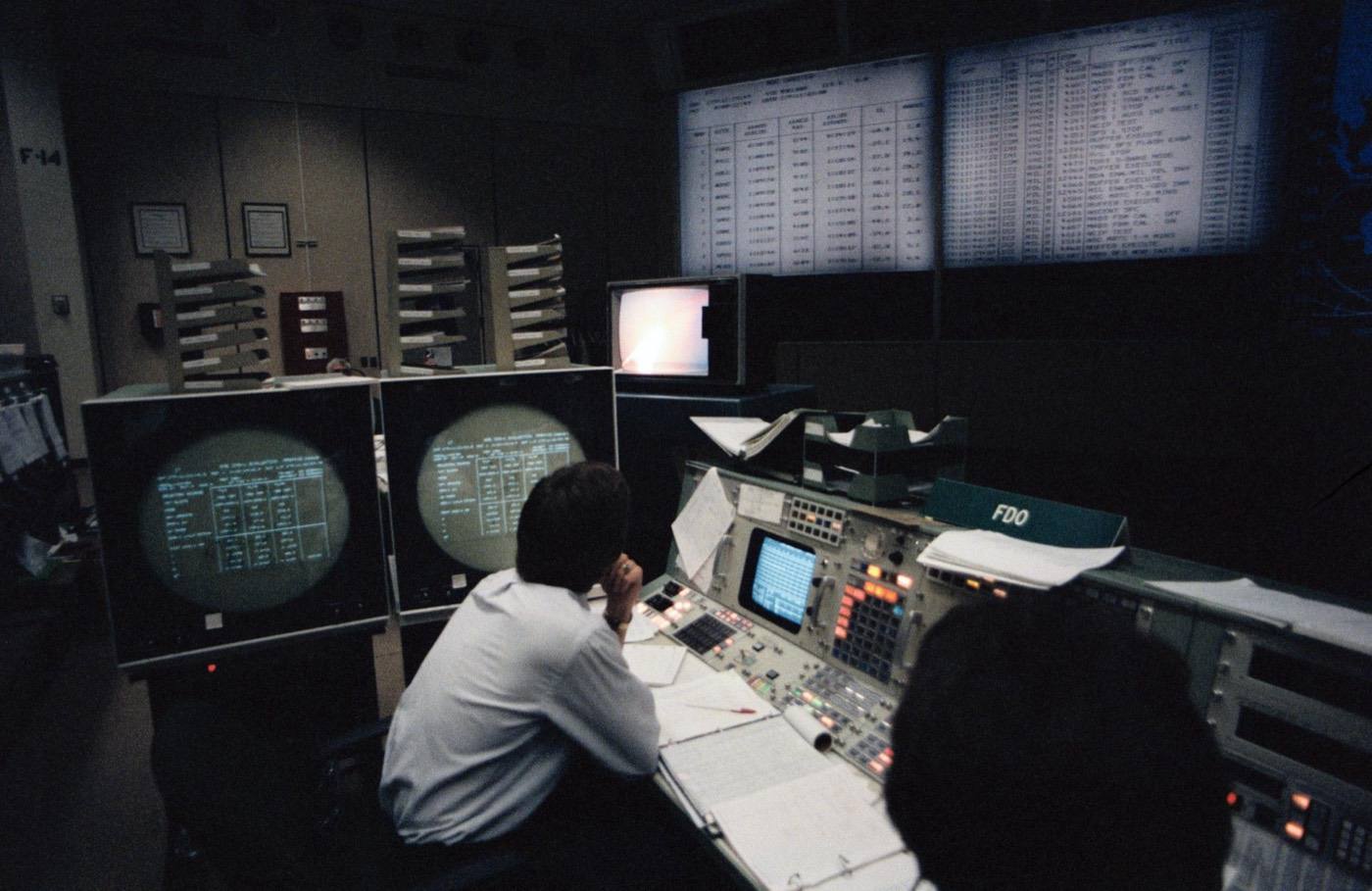
Understanding Radar Anomalies
Radar technology has long been utilized in a variety of applications, from air traffic control to military operations. Recently, however, it has garnered public attention as reports of radar anomalies have surfaced, suggesting the presence of unidentified flying objects (UFOs) and other unexplained phenomena. These reports have sparked a frenzy of speculation, captivating the imaginations of the curious and the conspiracy-minded alike.
The concept of radar anomalies isn't new. Throughout the years, military and civilian aviation sectors have encountered instances where radar systems detect objects that defy explanation. Such occurrences are often attributed to a variety of factors, including malfunctioning equipment, atmospheric conditions, or even the reflection of other objects. Yet, in an age where sensationalism reigns, the allure of the unknown can lead to exaggerated claims and fervent beliefs.

The Certainty Market
Why is certainty selling so briskly? The answer lies in the current cultural climate, where polarization dominates discourse and skepticism prevails. On one side, the left often embraces scientific inquiry and rationalism, but can sometimes drift into dogmatic adherence to established norms, dismissing alternative perspectives. On the other side, the right tends to favor anecdotal evidence and emotional appeals, leading to a reliance on sensational stories that bolster their narratives.
"In a world of ambiguity, the allure of certainty can be intoxicating, leading people to cling to even the most far-fetched explanations."
Both ends of the political spectrum are guilty of excesses that stifle genuine inquiry. The left can be overly dismissive of unconventional ideas, while the right may champion them without sufficient skepticism. This creates a chasm where genuine discussion about radar anomalies and their implications can become overshadowed by ideological battles.
The Media's Role
Media outlets have not shied away from capitalizing on the public's fascination with radar anomalies. With the increasing popularity of UFO documentaries and sensational news reports, a narrative has emerged that often prioritizes entertainment over factual reporting. While the quest for the truth is commendable, sensationalism can dilute the scientific merit of genuine inquiry.
It’s important for journalists to maintain a commitment to objectivity and rigor. In doing so, we can foster an environment where ideas can be explored without the weight of preconceived notions. The challenge lies in balancing the public's interest in the unknown with responsible reporting that emphasizes evidence-based conclusions.
The Scientific Perspective
Scientists and researchers are often hesitant to engage with the sensationalized discourse surrounding radar anomalies. This reluctance stems from a desire to avoid being associated with fringe theories or unfounded claims. However, as public interest continues to grow, it is crucial for the scientific community to step forward and engage with the topic. By providing a rational framework for understanding radar anomalies, scientists can help demystify the subject and guide public perception toward evidence-based conclusions.
Concluding Thoughts
As we navigate the complexities of radar anomalies and the societal response to them, we must strive for a more balanced approach to understanding. The thirst for certainty should not lead us down the path of credulity. Instead, we should embrace a spirit of inquiry that values evidence while remaining open to the unknown.
Both the left and the right have responsibilities in this discourse. The left must avoid dismissing alternative perspectives outright, while the right must temper its enthusiasm for sensational claims with skepticism and inquiry. Only through collaboration and dialogue can we hope to unravel the mysteries that radar anomalies present.
✦ ✦ ✦