From the file. Written for the paper dated February 1981. Opened in the public stacks July 14, 2026.
Civic boredom is an insidious ailment, creeping quietly into our political discourse and public engagement. It seems that both the left and the right have become afflicted by a bipartisan habit of selective memory, choosing to remember or forget events and ideologies at their convenience.

The Politics of Selective Memory
As we sit at the dawn of a new decade, the political landscape is riddled with contradictions. On one hand, we have the conservative right, brandishing a rhetoric that speaks to the past glories of America, often ignoring the struggles and complexities that shaped those years. The nostalgia for a 'golden age' is palpable, yet it conveniently glosses over the civil rights movements, the Vietnam War protests, and the economic upheavals that challenged the status quo.
Conversely, the left often finds itself ensnared in its own selective remembrance. While championing social justice and equity, there is a tendency to overlook the achievements of the welfare state and the progress made in the previous years. Instead, they present a narrative of despair and injustice, ignoring the complexities of governance and the successes that have been wrought from struggle.
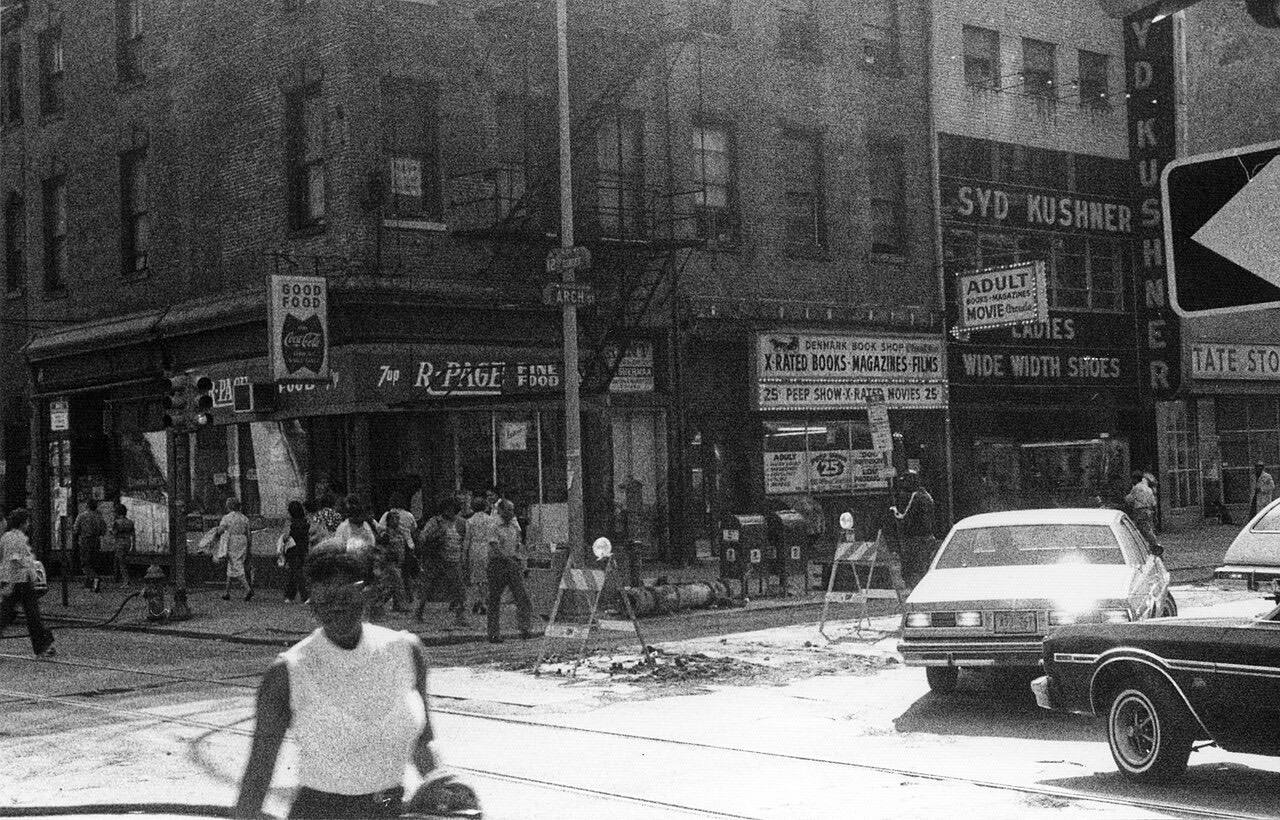
How Boredom Breeds Apathy
The result of this selective memory is a pervasive civic boredom, where citizens become disengaged from the political process. When history is rewritten to fit a narrative, it not only distorts the truth but also alienates those who feel their experiences and struggles have been erased. This apathy manifests itself in low voter turnout and a general disinterest in civic engagement.
In 1981, as we watch the rise of new leadership in Washington, it is essential to recall that civic participation is not merely a right, but a responsibility. The act of voting, attending town hall meetings, or engaging in community discussions should not be treated as optional; rather, they are fundamental to the health of our democracy. Yet, when the narratives we are fed are simplistic or one-sided, it is easy for citizens to tune out, believing that their voices do not matter.
“We cannot afford to let boredom dictate our civic engagement. Our democracy depends on our active participation.”
Reclaiming Our Civic Responsibility
To combat this growing apathy, we must start by reclaiming our civic responsibility. The first step is acknowledging that history is multifaceted, filled with both triumphs and failures. We must engage in open discussions that embrace the complexities of our past rather than sanitizing them for political expediency. Understanding our history in its entirety can help us navigate present-day challenges with a more informed perspective.
Moreover, it is vital that both sides of the political spectrum recognize their own biases in remembering the past. The left must acknowledge the progress that has been made and the complexities surrounding social issues, rather than portraying a bleak picture. The right, on the other hand, should confront the realities of the injustices that persist, and not simply romanticize a bygone era. Only through this honest confrontation can we hope to foster a more engaged citizenry.
Conclusion: A Call to Action
As we navigate the complexities of this new era, let us not fall prey to the comforts of selective memory. Civic boredom can only be eradicated through active participation and a commitment to understanding our shared history. It is time to break down the walls of partisanship and engage in meaningful dialogue that honors all voices in our society.
Let us call upon our leaders to inspire us rather than divide us, to challenge us rather than placate us. In doing so, we can rekindle the spirit of civic engagement that is essential for the vitality of our democracy. Remember, civic engagement is not just a privilege; it is a responsibility that we owe to ourselves and future generations.
✦ ✦ ✦