From the file. Written for the paper dated January 1981. Opened in the public stacks July 14, 2026.
The headlines may fade, but the need for oversight remains critical. In this moment of political fervor, the question arises: what can we learn from the oversight failures that have led us here?
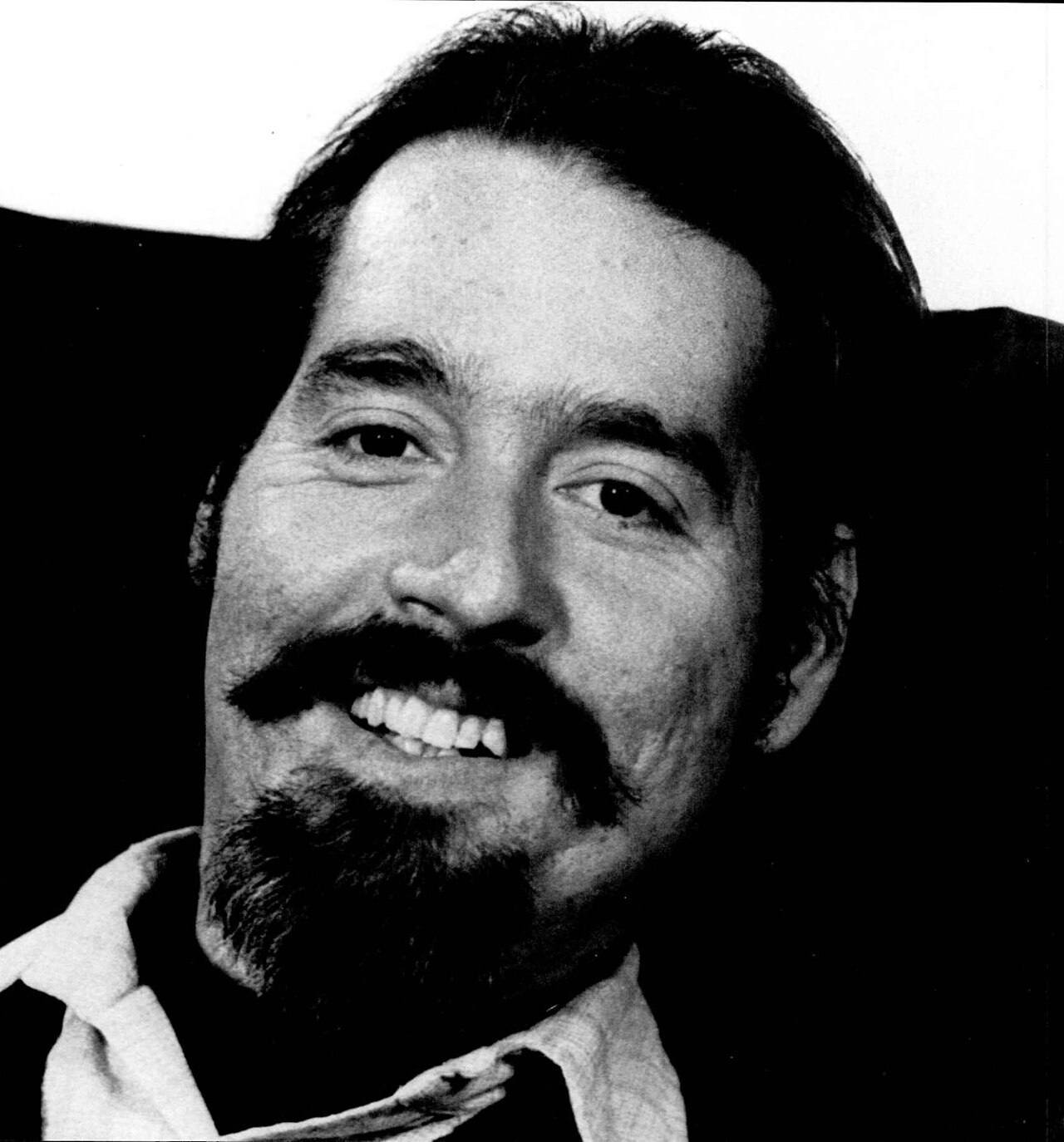
Oversight in the Age of Excess
As we stand at the dawn of a new decade, the country finds itself at a crossroads. The political landscape is charged with intensity, driven by the rhetoric of both left and right. Each side presents its narratives, often filled with hyperbole and oversimplification, while failing to recognize the importance of balanced oversight. This, perhaps, is a quiet failure that has gone unnoticed amidst the clamor of partisan battles.
On one hand, we have the left, calling for expansive government intervention to solve social issues. The rhetoric advocates for the redistribution of wealth, the regulation of industries, and a more significant role for the federal government in the daily lives of American citizens. Yet, in their zeal to enact change, they often overlook the necessity of accountability. Programs are rolled out with enthusiasm, but the mechanisms for oversight and evaluation are frequently neglected. What good are well-meaning policies if they lack the structure to ensure they are effective? The potential for waste, fraud, and abuse looms large, yet the left has sometimes turned a blind eye in favor of ideological purity.
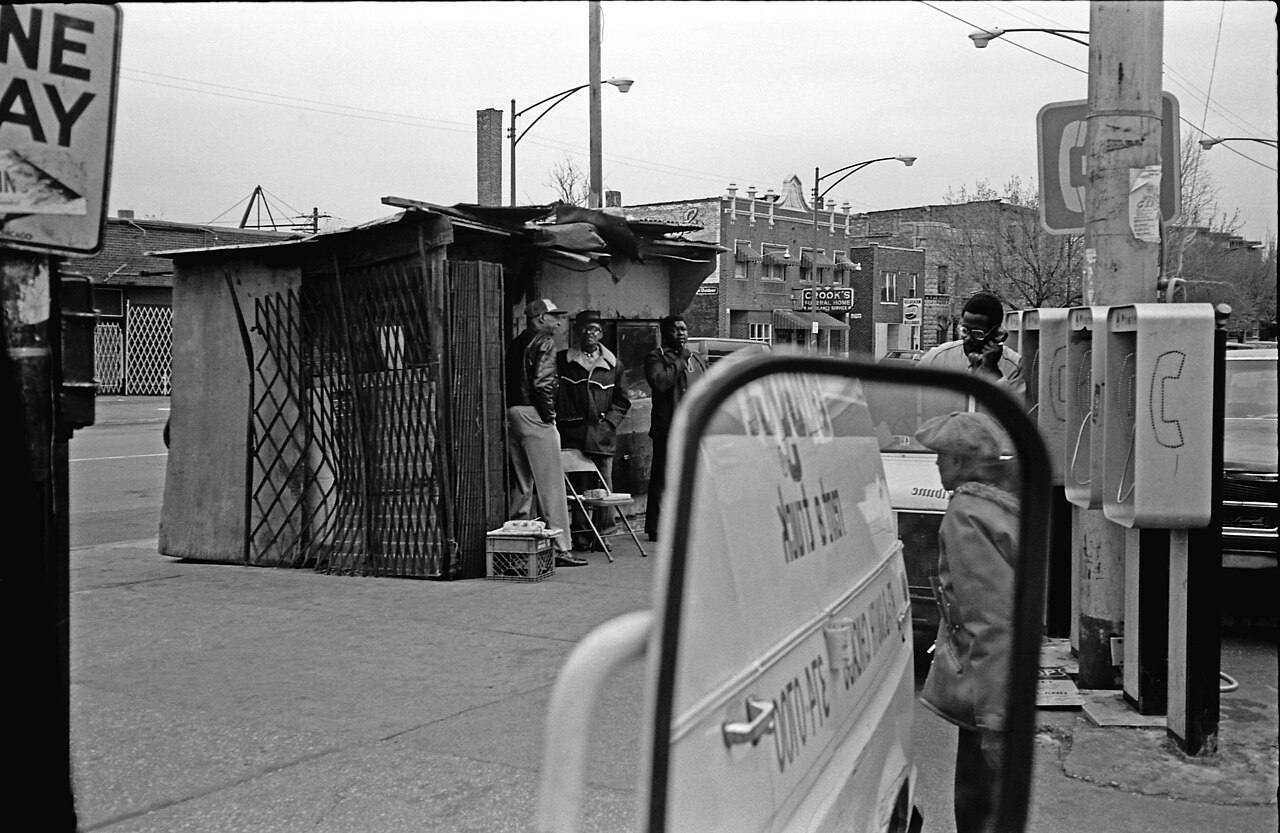
Conversely, the right champions individual liberties and the free market, often calling for deregulation and a reduction in the size of government. However, this approach has its own pitfalls. In the rush to strip away what they perceive as governmental overreach, there is a danger of neglecting the regulatory frameworks that protect the public from corporate malfeasance. The financial scandals and environmental disasters of the past serve as stark reminders that without oversight, profit motives can lead to devastating consequences. Ideological zeal can blind the right to the very real need for checks and balances in both the public and private sectors.
“The headlines may fade, but the need for oversight remains critical.”
A Call for Balanced Oversight
In the current climate, it is imperative that we call for a more balanced approach to oversight. Both sides must recognize that neither excessive regulation nor unchecked capitalism serves the interests of the American people. What is needed is a framework that combines the strengths of both perspectives. We must advocate for policies that not only aim to improve the lives of citizens but also include robust mechanisms for accountability and evaluation.
Oversight should not be viewed as a barrier to progress; rather, it should be seen as an essential component of any initiative aimed at fostering change. Whether in healthcare, education, or environmental policy, the establishment of clear metrics for success, regular assessments, and transparent processes is crucial. Only then can we ensure that our efforts lead to meaningful advancements rather than just more headlines.
The role of the media in this process cannot be understated. In an age where sensationalism often takes precedence over substance, journalists must strive to hold both sides accountable. Investigative reporting should focus not only on uncovering wrongdoing but also on illuminating the successes and failures of policies in real time. By doing so, we can foster a culture of transparency and engender trust among the public.
Building a Framework for the Future
As we contemplate the future, we must ask ourselves: what kind of oversight do we want? It is not merely about creating new regulations or dismantling old ones; it is about crafting a framework that ensures our institutions serve the public good. This requires input from a diverse array of stakeholders, including citizens, policymakers, and experts across various fields.
We must advocate for a system that encourages ongoing dialogue between government and the governed. Public forums, town hall meetings, and community engagement initiatives can help bridge the gap between policy and practice. When citizens are informed and involved, they become partners in oversight rather than passive observers. This partnership can lead to more effective implementation of policies and greater accountability at all levels.
Ultimately, the task at hand is no small feat. It requires courage, commitment, and a willingness to look beyond partisan interests. As the headlines fade and the fervor of the political season settles, we must remain vigilant in our pursuit of oversight that is both comprehensive and compassionate. It is time to demand better - not just from our leaders, but from ourselves as engaged citizens.
✦ ✦ ✦