From the file. Written for the paper dated January 1981. Opened in the public stacks July 14, 2026.
As the dust settles after an eventful holiday season, a closer examination of retail sales reveals a troubling pattern of neglect in oversight that could have long-term repercussions for the economy.
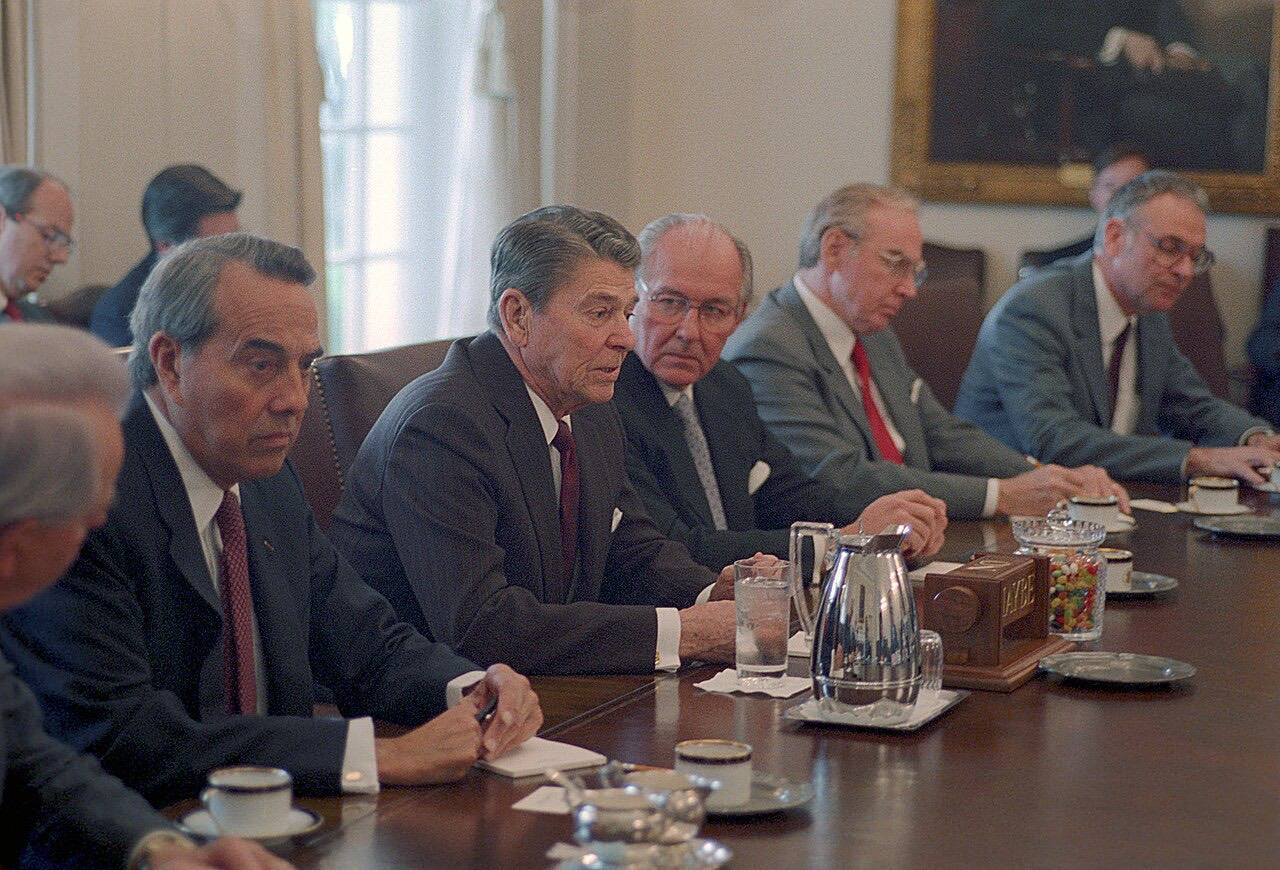
Retail Sales Performance
With the holiday shopping frenzy behind us, the initial reports of retail sales appear deceptively optimistic. Major retailers have touted increased sales figures, but a deeper dive into the data suggests a significant portion of this growth may be illusory. While it is true that consumer spending surged during the festive season, the sustainability of this trend remains questionable.
Many retailers have relied heavily on aggressive discounting strategies to boost sales, enticing customers to spend more than they might have otherwise. However, this tactic often masks underlying issues, such as inventory mismanagement and a lack of coherent marketing strategies. Retailers may celebrate short-term gains, but the long-term impacts of these practices could lead to a precarious situation for many businesses.
The Role of Consumer Confidence
Consumer confidence is often a barometer of economic health, and while it may seem robust now, the factors contributing to that confidence are troubling. With inflation looming, many consumers are making choices driven by immediate gratification rather than long-term financial stability. This trend raises questions about the sustainability of retail sales: Are we witnessing a true economic rebound, or simply a temporary spike fueled by a desire to indulge in a time of uncertainty?
“While retailers celebrate increased sales, the underlying factors may indicate a fragile economy.”
Oversight and Regulation
Perhaps more concerning than the retail trends themselves is the apparent lack of oversight from regulatory bodies. As the economy shifts and evolves, it is crucial for these organizations to adapt and ensure that businesses operate transparently and responsibly. The absence of robust regulatory frameworks leaves the door open for potential abuses, such as misleading advertising and unethical sales practices.
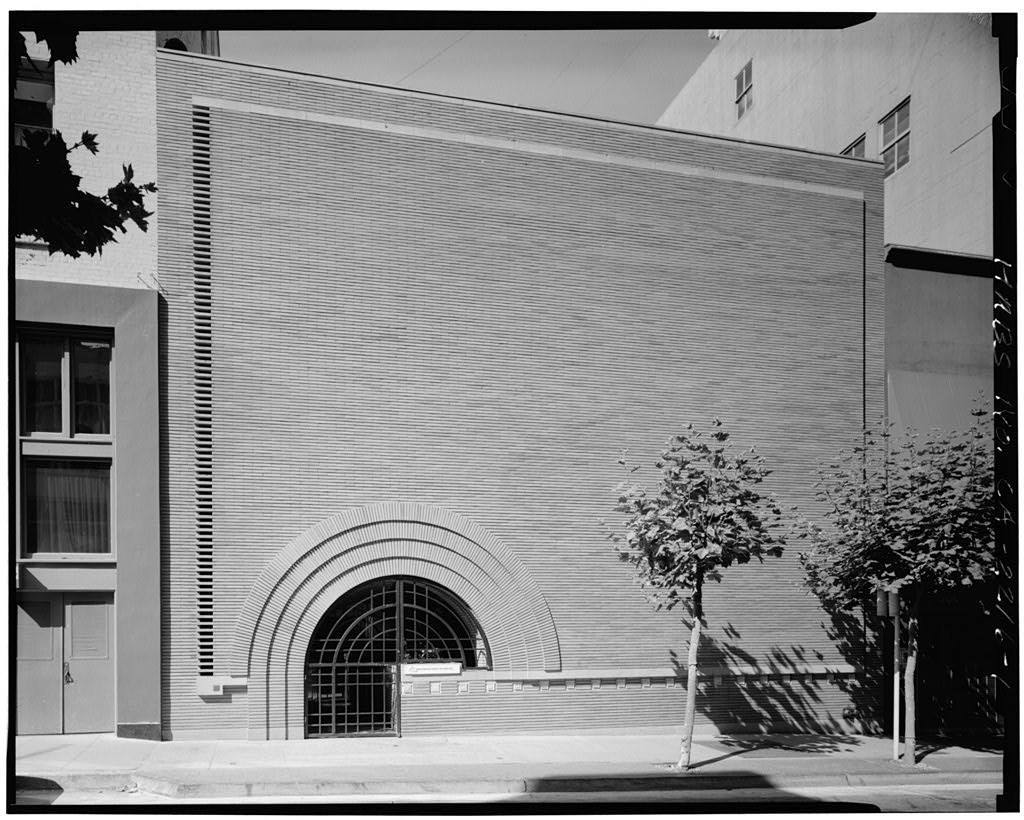
On one hand, advocates for deregulation argue that businesses should have the freedom to operate without excessive government interference. However, this perspective often overlooks the potential harm that can arise from unchecked corporate practices. The recent spate of retail scandals - where misleading promotions have led to consumer distrust - highlights the necessity for a balanced approach to regulation that protects both businesses and consumers alike.
Political Ramifications
The political landscape is equally polarized, with both sides of the aisle using retail sales data to bolster their respective narratives. The right celebrates any uptick in sales as evidence of a thriving economy, while the left points to the precarious nature of consumer confidence as proof of systemic issues that need addressing. This tug-of-war distracts from the fundamental issue at hand: a lack of adequate oversight that allows businesses to engage in practices that could ultimately harm the economy.
The Path Forward
As we move into 1981, it is imperative that both the retail industry and regulators take a hard look at the practices that have led to current trends. Retailers need to prioritize sustainable practices over short-term gains, while regulators must establish a framework that promotes transparency and accountability. The goal should not only be to celebrate increased sales but also to ensure a fair marketplace for all stakeholders involved.
In an environment where consumer trust is paramount, businesses must recognize that the way they operate today will have lasting effects on their reputation and financial health in the future. It is not enough to simply ride the wave of holiday spending; the focus must shift to building a resilient retail sector that can withstand economic fluctuation.
✦ ✦ ✦