From the file. Written for the paper dated January 1981. Opened in the public stacks July 14, 2026.
In recent months, childhood nutrition has been thrust into the limelight, drawing attention from politicians, educators, and concerned parents. However, as the headlines fade, a troubling reality remains: the systemic failure to provide adequate oversight in ensuring our children receive the nutrition they need.
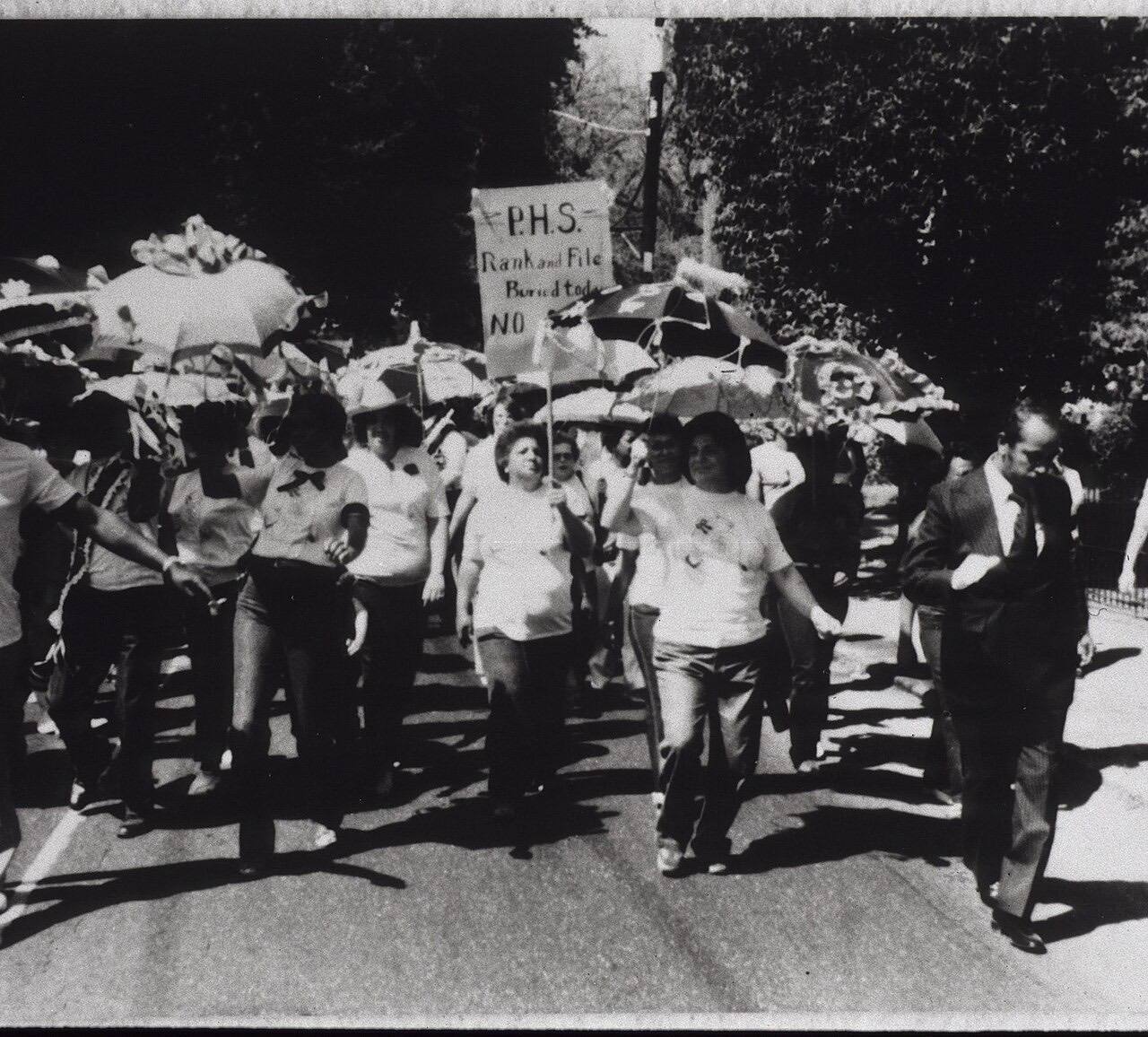
Unpacking the Crisis
As the new year commences, the United States faces an alarming situation regarding the nutrition of its youngest citizens. Reports have emerged indicating that despite the numerous programs established to combat childhood hunger and malnutrition, many children are still falling through the cracks. The disparity between what is promised and what is delivered has never been more pronounced.
Public health advocates argue that the government's efforts to ensure healthy school lunches and nutrition education are insufficient. Initiatives such as the National School Lunch Program were designed to provide nutritious meals during school hours, yet many schools remain underfunded and ill-equipped to meet these standards. Consequently, children are left with low-quality meals that do little to promote their health and well-being.
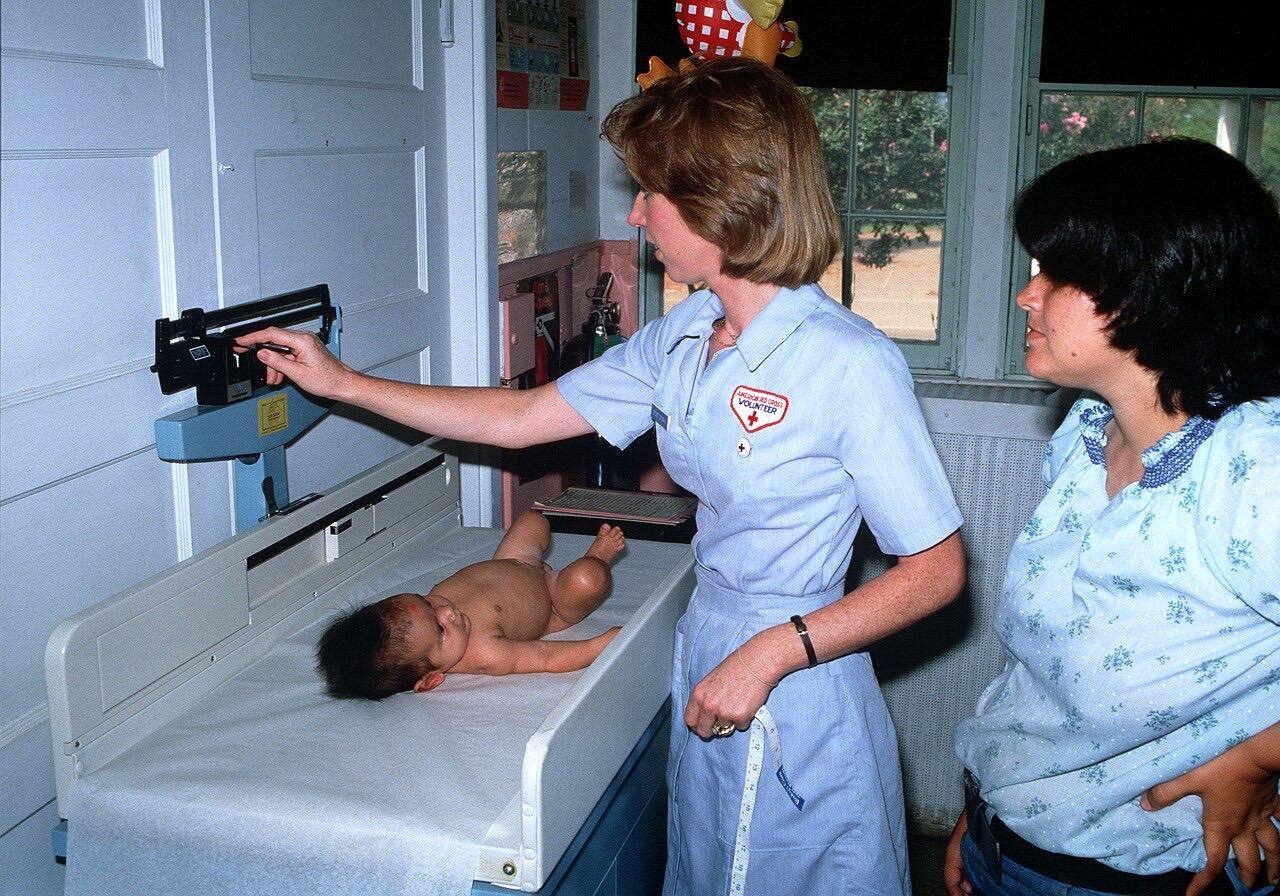
“We are failing our children at a fundamental level,” says a spokesperson for a leading health organization.
On the other hand, the food industry has also come under scrutiny. Corporations often prioritize profit over health, producing processed foods laden with sugars and unhealthy fats. Advertising aimed at children promotes these products, contributing to poor dietary choices that can last a lifetime. The intersection of commercial interests and childhood nutrition presents a troubling dilemma that policymakers must address.
The Political Landscape
The political arena has witnessed a flurry of activity concerning childhood nutrition, yet partisan bickering often overshadows real solutions. On one side, liberal advocates push for increased funding for food programs, arguing that a government commitment to child welfare is paramount. Their intentions are noble, yet the execution often falls prey to bureaucracy and inefficiency.
Conversely, conservative voices emphasize personal responsibility and parental choice, arguing that the government should play a minimal role in family decisions regarding nutrition. While it is crucial to empower parents, this approach risks neglecting the structural issues at play. The absence of a unified strategy leads to a fragmented response that fails to address the root causes of childhood malnutrition.
The Role of Education
Education plays a critical role in addressing childhood nutrition. Schools are not just places of learning; they are also environments where habits are formed. Nutrition education must be a priority, teaching children the importance of balanced diets and healthy eating habits. However, many educators lack the resources to effectively implement such programs, further perpetuating the cycle of poor nutrition.
Parents, too, often feel overwhelmed by conflicting messages about nutrition. With so much information available, it can be challenging to discern what is genuinely beneficial for their children. This confusion is exacerbated by the marketing tactics employed by food companies, which frequently mislead consumers about the healthiness of their products.
“We need to empower parents with the right information, not just more regulations,” an education reform advocate notes.
A Call for Change
The time for complacency has passed. We must demand accountability from both the government and the food industry. Policymakers need to establish clear and enforceable standards for school meals, ensuring that children receive nutritious options that support their development. Additionally, the government must invest in nutrition education programs that equip families with the knowledge they need to make healthy choices.
Furthermore, collaboration between schools, parents, and community organizations is essential. By working together, we can create a supportive environment that prioritizes the health of our children. Local initiatives can complement national policies, providing tailored solutions that meet the specific needs of communities across the country.
As the headlines fade, we must remain vigilant in our efforts to improve childhood nutrition. It is our collective responsibility to ensure that every child has access to the nutrition they need to thrive. A failure to act is a failure to protect the future of our nation.
Conclusion
In January 1981, the issue of childhood nutrition is not merely an abstract concern; it is a pressing reality that affects millions of children across the United States. As we navigate the complexities of politics, economics, and education, we must prioritize the health and well-being of our youngest citizens. The health of our nation depends on it.
✦ ✦ ✦