From the file. Written for the paper dated August 1980. Opened in the public stacks July 14, 2026.
The state of public clinics across the nation has become a focal point in the ongoing debate over healthcare accessibility and quality. As the August sun casts its relentless glare, we take a closer look at the promises made by advocates and the stark realities faced by patients.
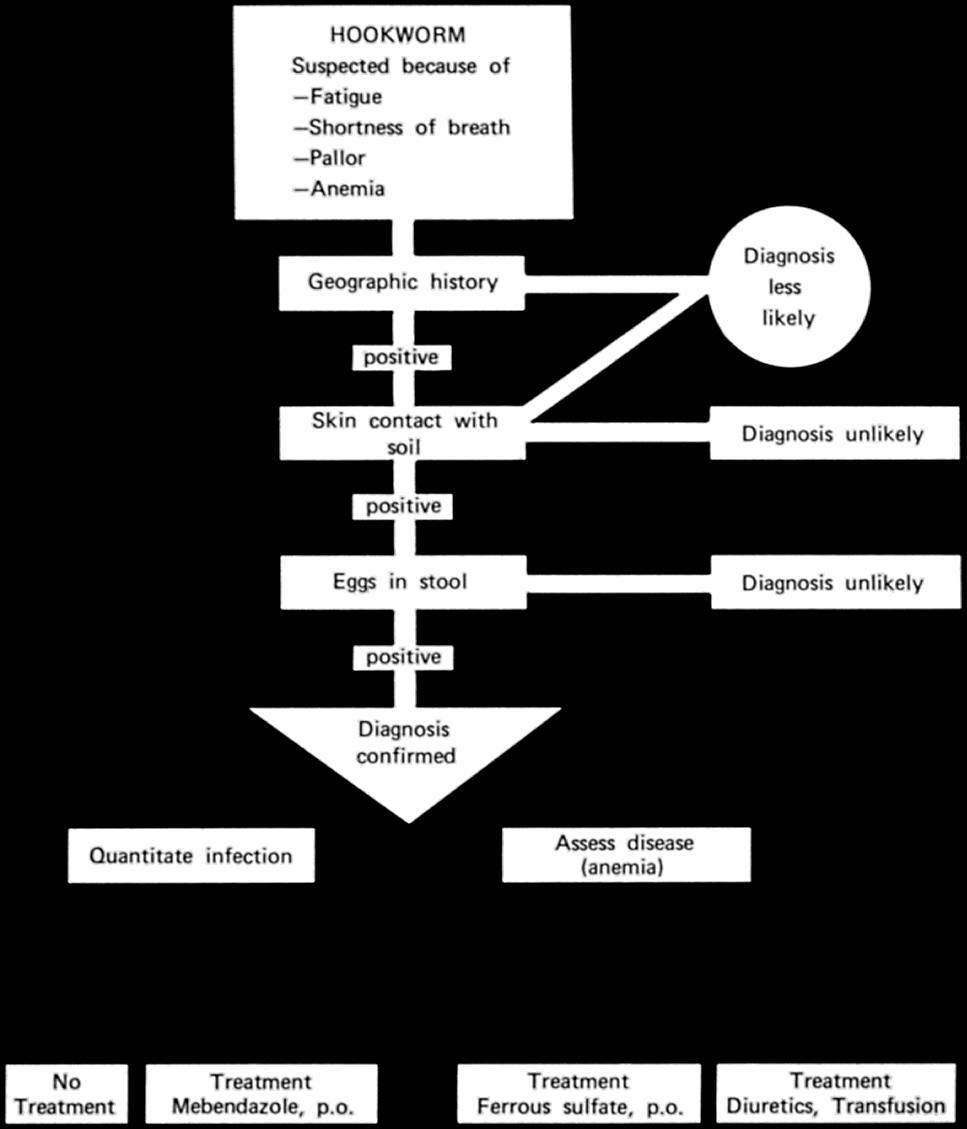
The Promise of Public Clinics
Public clinics were established with the noble intention of providing accessible healthcare to all, particularly to those in low-income communities. Advocates assert that these institutions are essential for ensuring that everyone, regardless of their financial situation, has access to basic medical services. The rhetoric is compelling, painting a picture of a safety net designed to catch those who might otherwise fall through the cracks of a profit-driven healthcare system.
Reality Check
However, as we explore several public clinics across various regions, a different picture emerges. Many facilities are hamstrung by inadequate funding and staffing shortages, leading to long wait times and overworked medical personnel. Patients often report feeling like mere numbers rather than individuals deserving of care. The enthusiasm of advocates clashes with the disillusionment of those who rely on these services.
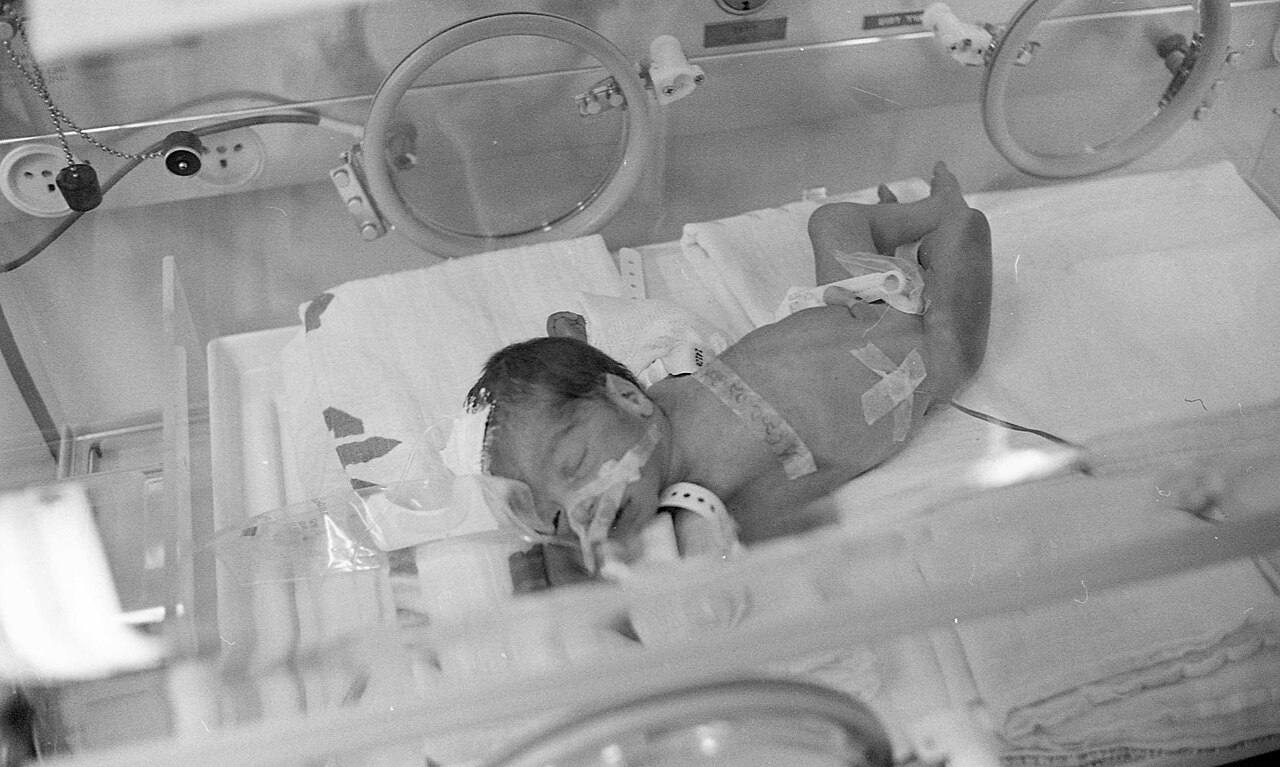
"What good is a clinic if you can't see a doctor when you need one?"
Left vs. Right: A Polarized Debate
The debate surrounding public clinics often mirrors larger political divides. On the left, proponents call for increased funding and expansion of services, arguing that healthcare is a right and that the government should play a larger role in ensuring that everyone has access. They highlight the moral imperative of caring for the most vulnerable members of society.
Conversely, those on the right often emphasize the inefficiencies that can accompany government-run programs. Critics argue that public clinics are emblematic of a bloated bureaucracy, where resources are poorly allocated and accountability is lacking. They advocate for privatization and market-driven solutions, believing that competition will lead to better care and lower costs.
Both sides present valid points, but the extreme positions often obscure the nuances of the issue. The reality is not so black and white. In some areas, public clinics are indeed failing. Yet, in others, they provide critical services that would otherwise be unavailable. The challenge lies in finding a balanced approach that addresses the shortcomings of the current system without entirely dismantling the safety net that many depend upon.
Case Studies
Take, for instance, a public clinic in a major urban center. Patients frequently face waits of several hours just to see a nurse, let alone a doctor. The clinic is often crowded, with families sitting on the floor as they wait for their names to be called. Despite the staff’s best efforts, the sheer volume of patients can lead to rushed appointments and insufficient follow-up care.
In stark contrast, a smaller rural clinic may boast a more personal touch, with patients able to see their physician without long waits. However, the limited scope of services offered means that patients must travel significant distances for specialized care. This dichotomy raises pressing questions about equitable access to healthcare, particularly for those living in remote areas.
Public Sentiment
Public opinion appears to be equally divided on the issue. Many individuals express support for the concept of public healthcare but become disillusioned when confronted with the realities of their local clinics. Community meetings often become battlegrounds where advocates passionately defend the need for resources while critics point to inefficiencies and mismanagement.
As the debate rages on, it is crucial for citizens to remain engaged and informed. Grassroots movements are emerging, advocating for improvements and accountability within public clinics. These advocates understand that while the system has its flaws, it is vital to fight for reform rather than abandon the idea of accessible healthcare altogether.
A Path Forward
The solution may not lie solely on one side of the political spectrum. A comprehensive approach that combines the strengths of both public and private systems could foster an environment where quality care is the standard, not the exception. Policymakers need to prioritize the needs of patients, ensuring that public clinics are adequately funded and staffed while also exploring innovative solutions that could enhance efficiency.
In conclusion, public clinics remain a crucial component of our healthcare landscape, but they require thoughtful reform to meet the needs of the populace effectively. As August unfolds, let us hope for a renewed commitment to addressing the issues at hand, bridging the gap between rhetoric and reality.
✦ ✦ ✦