From the file. Written for the paper dated July 1980. Opened in the public stacks July 14, 2026.
As the nation grapples with the implications of a recent national security leak, the focus turns to the institutions meant to protect our security and the measures they take to shield themselves from the fallout.
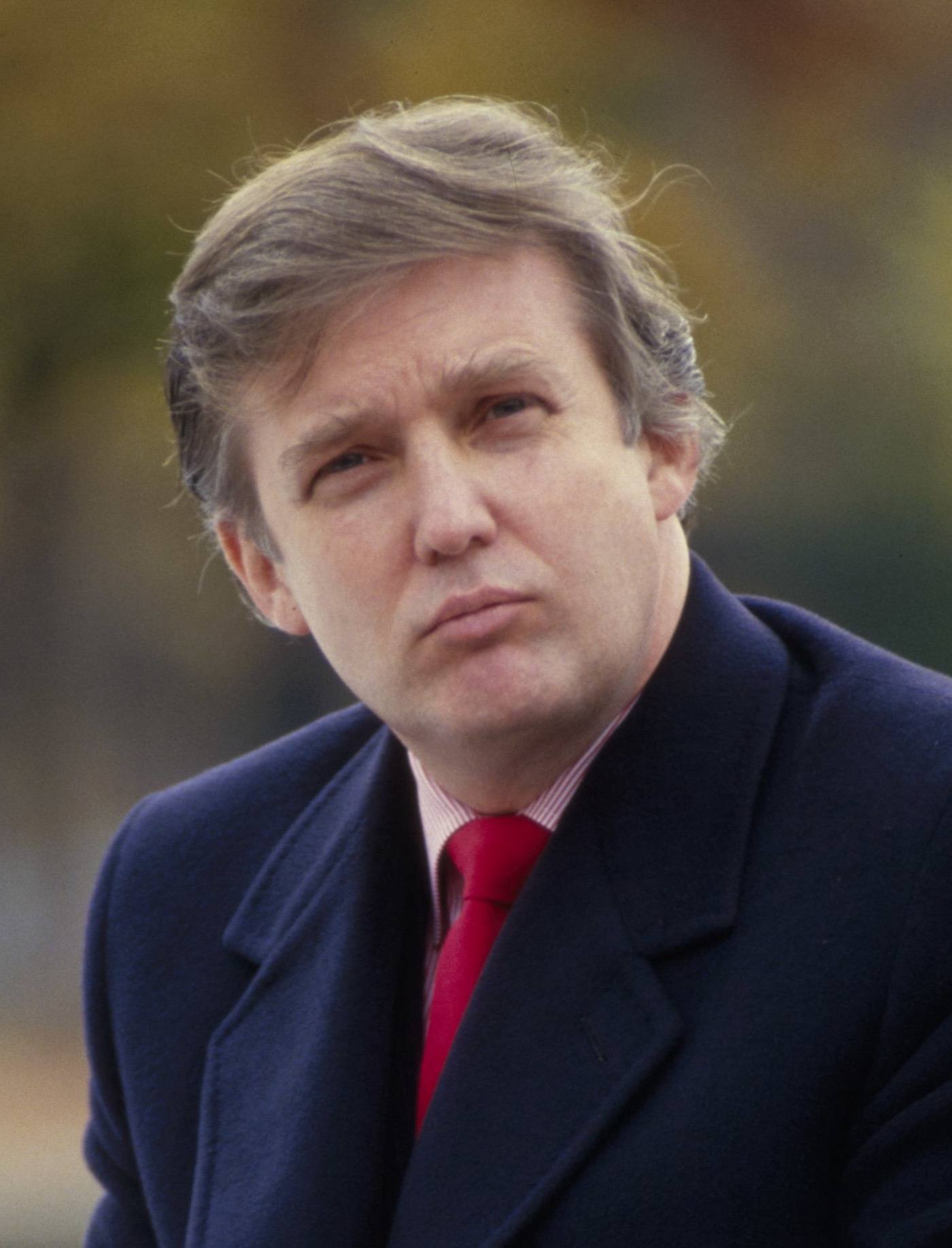
The Institutional Firewall
The recent leak of classified information has sent shockwaves throughout Washington and beyond. While the content of the leak raises serious questions about national security, it also exposes the mechanisms through which institutions respond to crises. The immediate reactions from various government bodies reveal a troubling tendency to prioritize self-preservation over accountability.
In the wake of the leak, officials have scrambled to implement damage control strategies, often at the expense of transparency. Their primary goal seems to be to diffuse public outrage and deflect blame rather than address the underlying issues that led to the breach. This protective instinct is hardly new; it is a hallmark of institutions that perceive themselves as above scrutiny, prioritizing their reputation over the public's need for trust and integrity.

“Institutions should be held accountable, not just shielded from criticism.”
Political Posturing
The political ramifications of the leak have also stirred a pot of partisan posturing. On one side, staunch conservatives are quick to capitalize on the incident, framing it as proof of the incompetence of the current administration. They demand stringent measures and an overhaul of our security protocols, often ignoring the nuances of the situation. This call for extreme action is reminiscent of a broader trend in which the right leans heavily into fear-mongering to rally their base.
On the other side, many progressives dismiss the leak as a minor issue, arguing that the real problem lies with the oppressive nature of government secrecy. While there is merit to this argument, the left's response often lacks a sense of urgency regarding the implications for national security. In an era marked by increased tensions both domestically and internationally, a cavalier attitude toward such breaches could prove disastrous.
Media's Role
The media has also played a significant role in shaping public perception around the leak. In their eagerness to break the story, some outlets have prioritized sensationalism over responsible reporting. The rush to publish details can exacerbate the situation, leading to a misinformed public and an overstretched government response.
As journalists, we must remember our responsibility to present the facts with clarity and context. The narrative surrounding national security should not become a tool for political advantage or a means to sensationalize fear. Instead, it should foster an informed dialogue about the balance between security and transparency.
“In an era of secrets, the truth must be our guiding principle.”
Rebuilding Trust
To move forward, a concerted effort is needed to rebuild trust in our institutions. This involves not only addressing the immediate concerns raised by the leak but also fostering an environment in which accountability is valued and transparency is the norm. The importance of checks and balances cannot be overstated; they are the very foundation of our democracy.
Both sides of the political spectrum must recognize that while national security is paramount, it should not come at the cost of eroding civil liberties or undermining public trust. The challenge lies in finding a path that respects both the necessity of security and the imperative of accountability.
A Call for Responsible Governance
As citizens, we must demand responsible governance that prioritizes the public's right to know. The recent leak should serve as a wake-up call for both government officials and citizens alike. It is a reminder that our institutions exist to serve us, not the other way around.
While we navigate the aftermath of this leak, let us hold our leaders accountable. Let us push for reforms that ensure our national security apparatus operates with the transparency and integrity that the American public deserves. Only then can we hope to restore faith in our institutions and ensure our democracy remains robust against the threats both foreign and domestic.
✦ ✦ ✦