From the file. Written for the paper dated May 1980. Opened in the public stacks July 14, 2026.
In the wake of growing public concern over nuclear safety, the recent briefings on nuclear plant inspections have left many unanswered questions. This report delves into what is often glossed over in the rush to assure the public of safety.

The Nuclear Landscape
The discussion surrounding nuclear power has become increasingly polarized, with proponents and opponents both taking extreme positions. On one side, advocates insist that nuclear energy is the cornerstone of a stable and sustainable future, while critics argue that the potential for disaster looms large. In the midst of this debate, the actual mechanics of nuclear plant inspections often get lost in the shuffle.
Inspection Protocols Under Scrutiny
During recent briefings, officials emphasized the rigorous nature of inspection protocols, assuring the public that safety is their top priority. However, a deeper examination reveals that the inspections may not be as thorough as one might hope. The criteria for passing an inspection can sometimes be murky, with vague language masking the reality of potential risks. For instance, while inspectors evaluate safety systems, the evaluation criteria can vary significantly from one plant to another, leaving room for subjective interpretation.
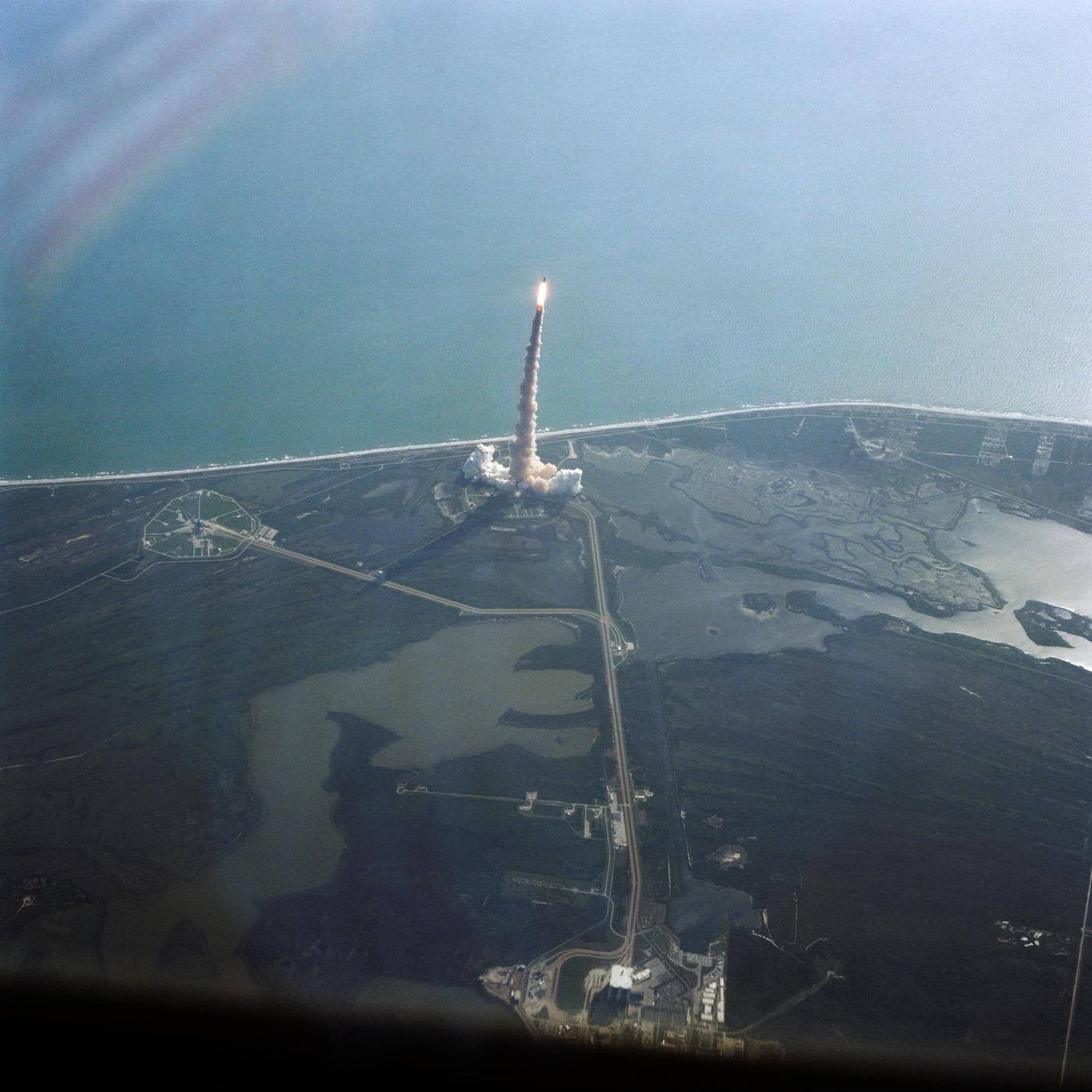
"The criteria for passing an inspection can sometimes be murky, with vague language masking the reality of potential risks."
What Gets Left Out
Moreover, the briefings often neglect to address the human element involved in nuclear inspections. The pressure to maintain production schedules can lead to compromises in safety assessments. Inspectors, often caught between a rock and a hard place, may feel compelled to overlook minor violations or to expedite their evaluations to keep plants operational. This reality is rarely mentioned in official communications, yet it is a significant factor in the overall safety of nuclear facilities.
The Role of Public Perception
Public sentiment towards nuclear energy is becoming increasingly influenced by dramatic incidents in other parts of the world. The fear of catastrophic failures, fueled by media coverage, has shifted the focus from the actual statistics to sensationalized narratives. This has resulted in an atmosphere where scientific facts and data can be overshadowed by emotional responses. It is crucial that both sides of the debate acknowledge this dynamic to facilitate a more balanced discussion.
A Call for Transparency
Transparency in the inspection process is paramount. The public deserves to know not just the results of inspections, but also the methodology, including any deviations from standard procedures. A more open dialogue about the challenges faced by inspectors, as well as the limitations of current inspection protocols, would help to foster trust and understanding. In a climate rife with skepticism, the nuclear industry must strive to be forthright about its practices.
The Extremes of the Debate
As we navigate this contentious landscape, it is essential to criticize the extremes on both sides. On one hand, the unyielding optimism of nuclear advocates can lead to a dismissal of legitimate safety concerns. Their unwavering faith in technology can inadvertently alienate the very public they seek to reassure. On the opposite end, opponents often resort to fear-mongering, focusing on worst-case scenarios without acknowledging the strides that have been made in safety and oversight. Both extremes do a disservice to the nuanced conversation that is necessary for progress.
Finding Common Ground
To truly address the complexities of nuclear safety, all stakeholders must engage in constructive dialogue. This includes not only industry leaders and regulators but also community members and environmental advocates. Each side must be willing to listen and learn from one another, rather than entrenching themselves in polarized positions. Only then can we hope to find common ground that prioritizes safety while recognizing the potential benefits of nuclear energy.
The Way Forward
As we look toward the future of nuclear energy in America, the need for comprehensive reform in inspection protocols is clear. We must advocate for a system that prioritizes not just the results of inspections, but the integrity of the process itself. This means developing standardized criteria that apply uniformly across all plants, ensuring that inspections are as transparent as possible, and encouraging a culture of safety that empowers inspectors to do their jobs effectively.
In conclusion, the conversation surrounding nuclear plant inspections must evolve. As public concern grows, it is crucial that both the industry and its critics move beyond rhetoric and engage in a meaningful examination of safety practices. Only through transparency and collaboration can we hope to build a safer energy future.
✦ ✦ ✦