From the file. Written for the paper dated May 1980. Opened in the public stacks July 14, 2026.
In the whirlwind of national politics, clarity often gets lost in the shuffle, especially when it comes to executive orders issued from the highest office in the land. The latest executive order, ostensibly a response to pressing issues, raises eyebrows not just for what it includes, but more importantly, for what it omits.

The Fine Print of Power
The executive order issued last week has been met with a mix of applause and scorn. On one hand, the administration touts it as a necessary measure to address pressing economic concerns. On the other, critics from both sides of the political spectrum are raising alarms about the lack of transparency and the potential for overreach. This document serves as a stark reminder of the power vested in the executive branch, but it also highlights the gaps in accountability that can accompany such power.
In the briefings surrounding the order, officials have focused on the immediate benefits to the economy. However, a deeper examination reveals significant areas of concern that have been glossed over. For instance, while the order promises to streamline regulations and foster growth, it fails to address the long-term consequences of deregulation on both the environment and worker safety.
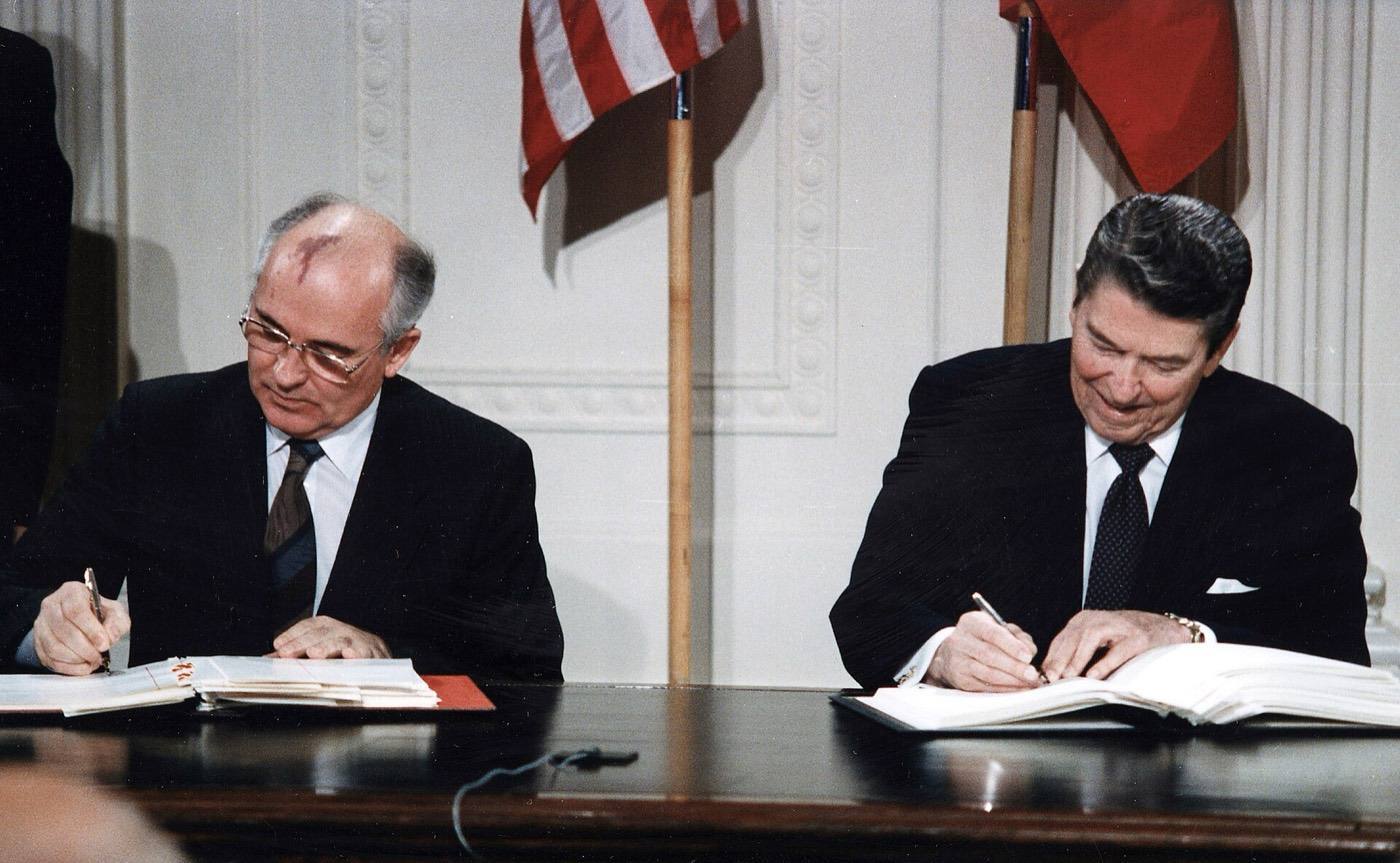
"The promise of efficiency often comes at a cost that is not immediately visible."
Left and Right: A Dangerous Game
The reactions to the executive order illustrate the extremes of our current political climate. On the left, there is an understandable fear that the administration is prioritizing business interests over the well-being of the populace. Activists are voicing concerns that the order will roll back essential protections for workers and the environment, leading to greater inequality and risk. The left's response has often been to mobilize grassroots campaigns, demanding accountability and transparency in governance.
Meanwhile, the right has seized upon this executive order as a banner of free-market principles, championing it as a step toward reducing governmental interference in personal and business affairs. Yet, in their fervor to support deregulation, some right-leaning commentators overlook the potential ramifications of unchecked corporate power. The rush to eliminate what they perceive as burdensome regulations could precipitate a crisis that would ultimately harm the very citizens they claim to protect.
What’s Missing from the Discussion
In the cacophony of political rhetoric, essential questions are left unanswered. What mechanisms are in place to ensure that the benefits of this executive order will be distributed equitably? How will the administration monitor the long-term effects of deregulation on vulnerable communities? The absence of a clear framework for accountability raises red flags for many observers.
Moreover, the executive order does little to address the increasing polarization in our society. As both sides dig in their heels, the potential for bipartisan cooperation seems to diminish. The left is quick to dismiss any efforts they deem too lenient on corporations, while the right often disregards the concerns raised by progressives as mere obstructionism. This cycle of blame and counter-blame serves neither the nation nor its citizens.
A Call for Reflection
It is imperative for citizens to look beyond the immediate promises of such executive orders and critically examine their potential long-term implications. The promise of efficiency often comes at a cost that is not immediately visible. Without a thorough examination of the order's provisions and an acknowledgment of its shortcomings, we risk falling into the trap of accepting superficial solutions to complex issues.
In these divided times, it is crucial for all sides to engage in constructive dialogue, rather than retreating to entrenched positions. The executive order is a significant move by the administration, but it should not be a blank check for unchecked power. Both the left and right must work together to advocate for a balanced approach that considers the needs of the entire population, rather than allowing factional interests to dictate the course of national policy.
✦ ✦ ✦