From the file. Written for the paper dated March 1980. Opened in the public stacks July 14, 2026.
In an era marked by a cacophony of voices and competing narratives, the media landscape of March 1980 presents us with a curious case: certainty is selling briskly. In this opinion piece, we will examine the incentives driving media outlets today and how they affect public discourse.
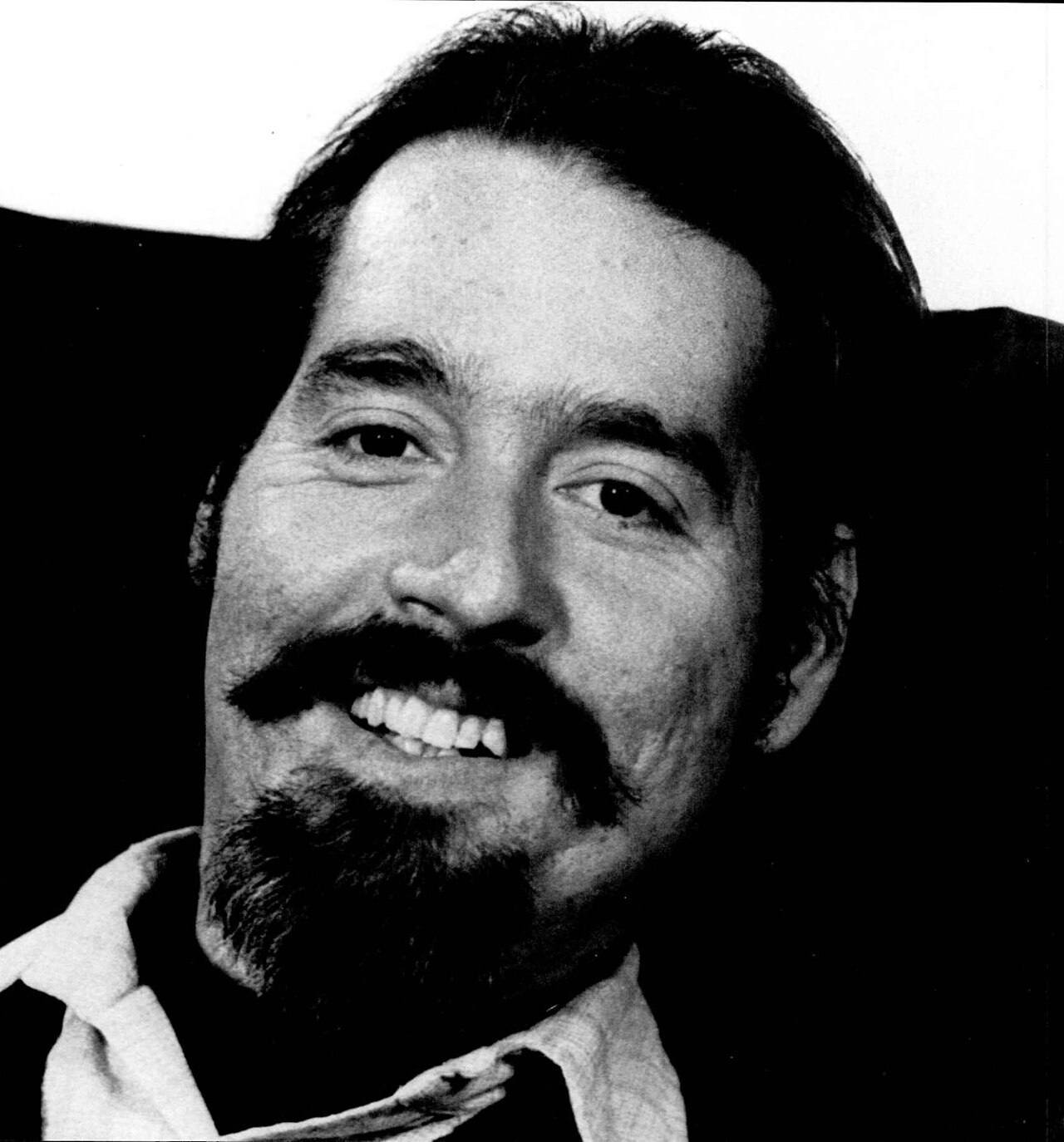
Certainty in Uncertain Times
As we navigate the tumultuous waters of global politics, economic instability, and social upheaval, it seems that the media has found a lucrative niche in offering certainty. From television news anchors projecting unwavering confidence to print publications touting definitive analyses, the craving for clear, concise messages has never been stronger. But why are these messages so appealing, and what are the implications of this trend?
One cannot overlook the fact that uncertainty breeds anxiety. With inflation rates skyrocketing, the energy crisis looming, and international tensions simmering, the public is understandably on edge. In such times, the allure of a straightforward narrative is hard to resist. Certainty feels reassuring, almost comforting - a warm blanket in a world filled with chaos.
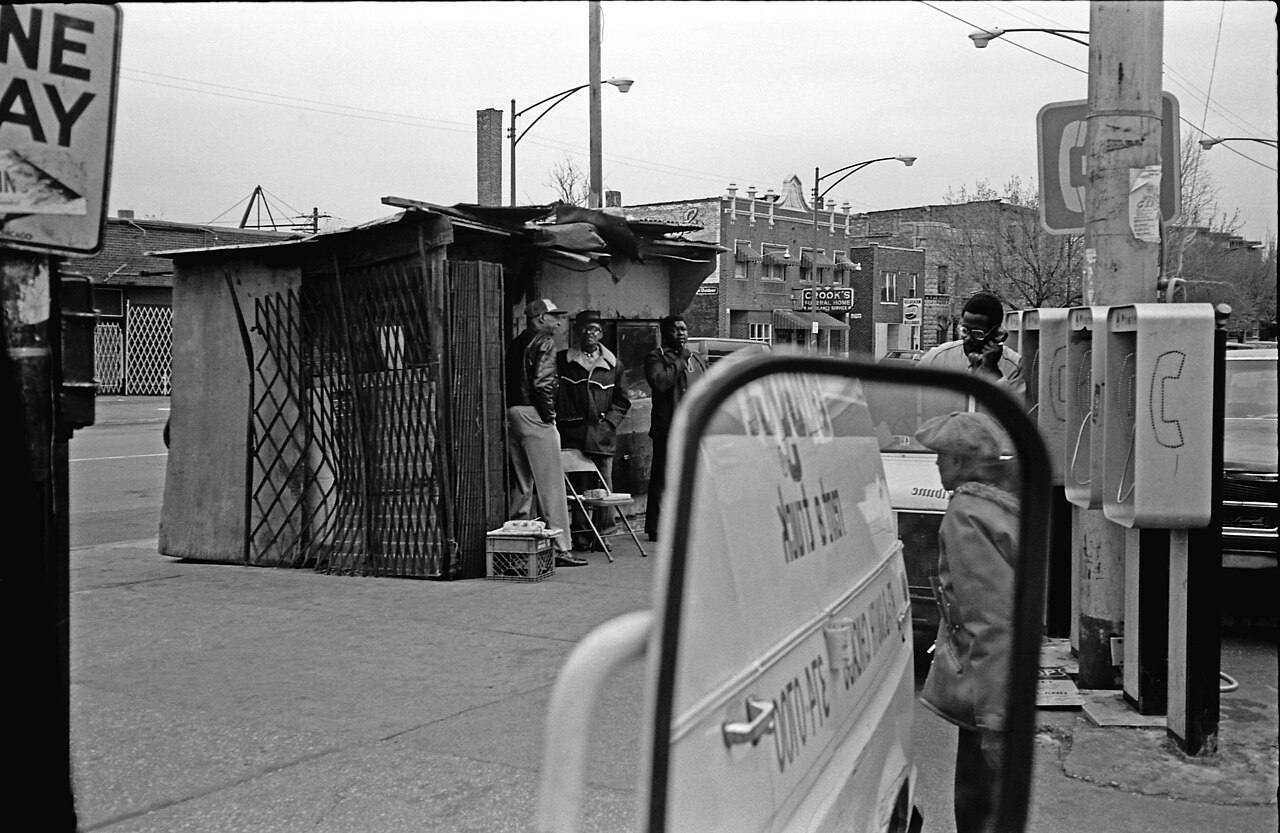
The Left's Struggle for Clarity
On the left, there are clear attempts to harness this desire for certainty. Many progressive media outlets have adopted a tone that suggests a moral high ground, framing issues in a way that presents simple solutions to complex problems. While it is commendable to advocate for social justice and economic equality, the left often falls into the trap of oversimplification.
“In a world of gray, the left often seeks black and white answers.”
This pursuit of certitude can lead to a dismissal of nuanced discussions that are essential for meaningful progress. When complex issues such as poverty, health care, and education are reduced to slogans or catchphrases, the potential for genuine dialogue diminishes, and polarization becomes inevitable.
The Right's Certainty Crisis
Conversely, the right has embraced a brand of certainty that often borders on dogmatism. In their quest to reclaim traditional values, many conservative media outlets have adopted a narrative that frames dissent as disloyalty. The rallying cries of patriotism and moral superiority can be intoxicating, yet they often stifle constructive criticism.
“The right's insistence on ideological purity can be as damaging as the left's oversimplification.”
In this environment, dissenting voices within conservative circles are marginalized, leading to an echo chamber that reinforces a singular worldview. This lack of debate not only undermines the principles of democracy but also stunts the growth of ideas that could challenge the status quo.
The Role of Media Institutions
As we scrutinize both sides, it is vital to consider the role of media institutions themselves. With the rise of 24-hour news cycles and the competition for viewership, outlets are incentivized to deliver content that captures attention, often at the expense of depth and accuracy. The pursuit of ratings has led to sensationalism, a phenomenon that thrives on certainty and controversy.
Moreover, the financial pressures on news organizations have prompted a reliance on advertising revenue, which can skew coverage to align with the interests of sponsors. This dynamic further complicates the quest for genuine reporting, as stories that resonate with the public’s desire for certainty may overshadow those that require more thoughtful exploration.
Finding Balance in Discourse
In the face of such challenges, it is crucial for both media consumers and producers to strive for a more balanced discourse. The path forward requires a collective commitment to embrace complexity, engage with diverse perspectives, and foster environments where nuanced discussions can flourish. This is not merely an idealistic notion but a necessity for the health of our democracy.
The Consumer's Responsibility
As consumers of media, we must also take responsibility for our engagement with information. Choosing to support outlets that prioritize depth over sensationalism is essential for fostering a more informed society. Media literacy becomes a critical skill in navigating this landscape, empowering individuals to discern fact from fiction and to seek out diverse viewpoints.
In conclusion, the media landscape in March 1980 is a reflection of our collective anxieties and desires for certainty. While both left and right media outlets strive to provide clarity in a chaotic world, it is essential to recognize the dangers of oversimplification and dogmatism. By demanding more nuanced discussions and supporting responsible journalism, we can help pave the way for a healthier public discourse.
✦ ✦ ✦