From the file. Written for the paper dated February 1980. Opened in the public stacks July 14, 2026.
As the nation grapples with the aftermath of political scandals, the role of special counsels continues to reignite debates over accountability and transparency. This week, the spotlight shines on the bipartisan habit of selective memory that has clouded judgments and blurred the lines of justice.
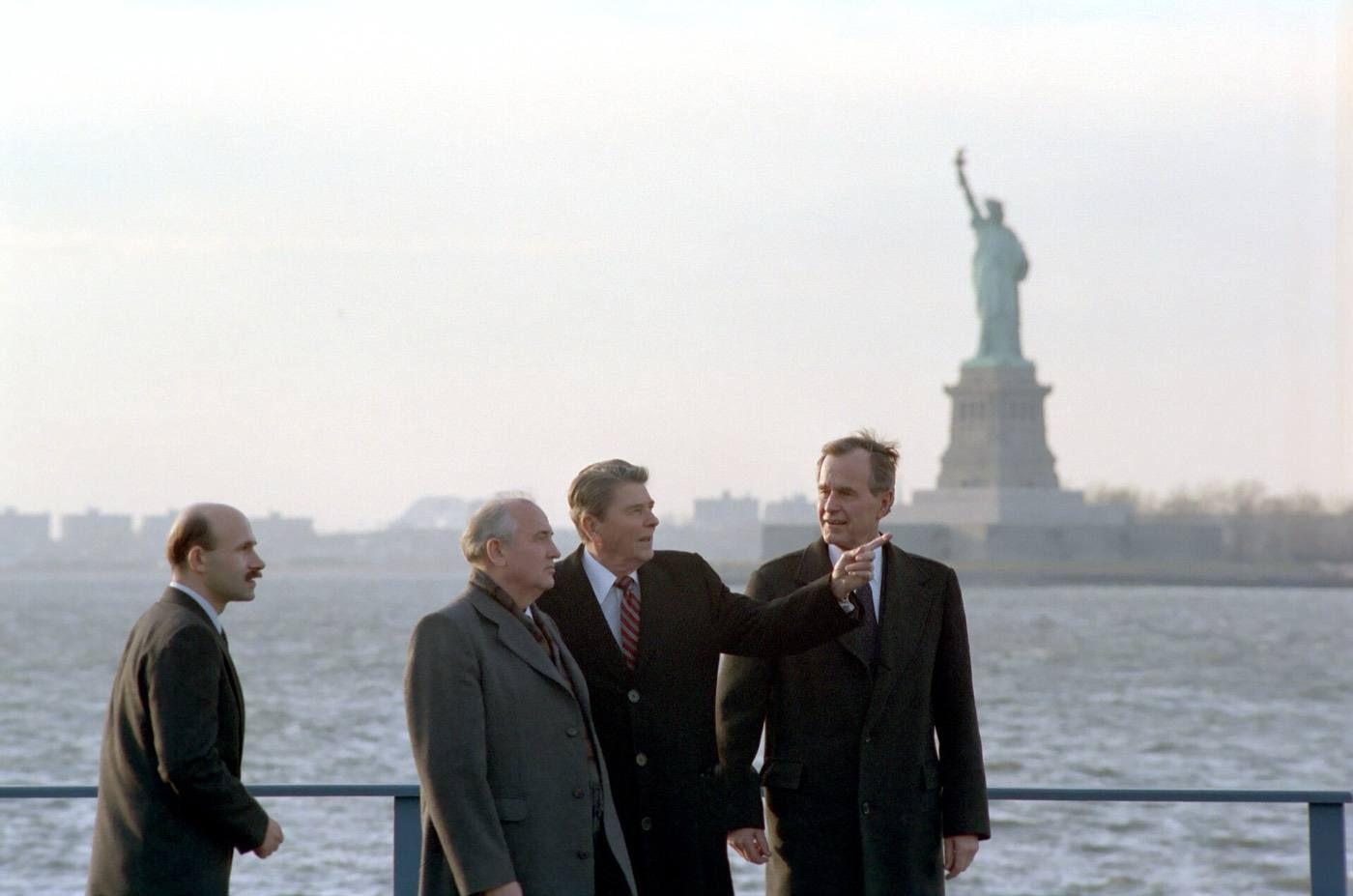
The Role of Special Counsel: A Double-Edged Sword
The appointment of special counsels has become a necessary, albeit contentious, tool for investigating political figures and their associated scandals. However, as we have seen with the recent investigations into the actions of various officials, the application of this power often seems to be colored by political affiliations. The practice of selecting which cases warrant the attention of a special counsel has, in many instances, revealed a troubling tendency for both sides of the political spectrum to engage in selective memory.
On the left, the echo of Watergate continues to serve as a rallying cry for accountability, but it often disregards the complexities of recent events that may not fit the narrative. Accusations of misconduct in the Ford administration, for example, have been overshadowed as progressives selectively recall only the most damning moments. Similarly, the right has not hesitated to weaponize the notion of a "deep state," dismissing legitimate inquiries into the actions of their own party while holding the opposition to an exaggerated standard of accountability.
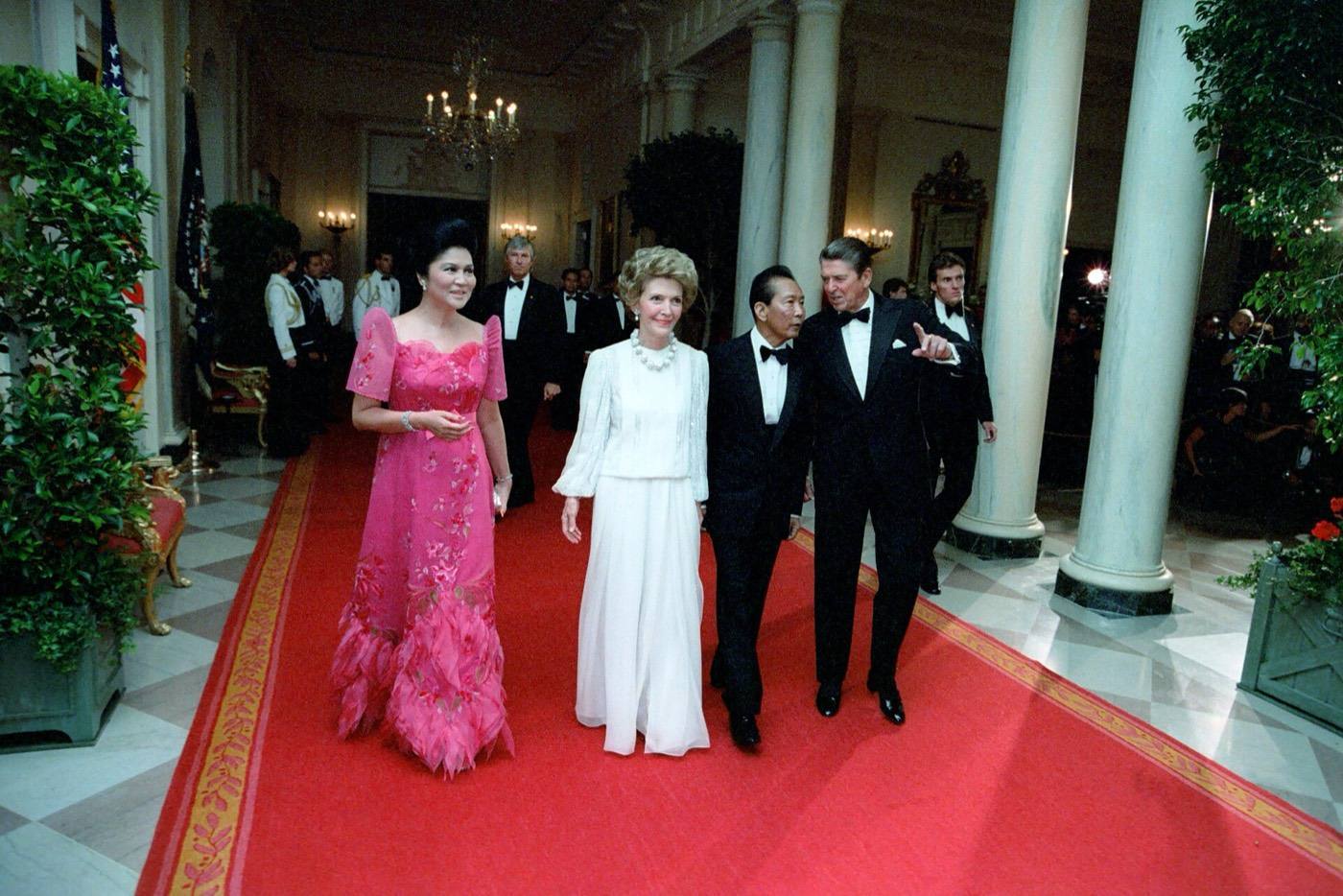
"The bipartisan habit of selective memory has clouded our judgments and blurred the lines of justice."
Both Sides of the Aisle: A Culture of Denial
The current political landscape is rife with examples of how both parties have engaged in a culture of denial when it comes to the actions of their own. The left has often rallied behind the notion that any investigation into their ranks is a politically motivated attack, while the right has routinely dismissed similar inquiries as conspiratorial witch hunts. This mutually beneficial denial serves only to deepen the chasm of distrust that separates the two factions.
As special counsels are appointed to investigate allegations of wrongdoing, it is imperative that both sides resist the urge to twist the findings to fit their respective narratives. The integrity of these investigations relies on a commitment to impartiality and an acknowledgment of uncomfortable truths. This is a moral imperative that transcends party lines and must be upheld if we are to salvage any semblance of accountability.
Public Perception and the Media's Role
The media, too, plays a significant role in shaping public perception around these investigations. The coverage often mirrors the partisan divide, with outlets selectively highlighting information that aligns with their ideological leanings. This can lead to a distorted understanding of the facts and a public that is ill-equipped to engage in informed discourse. It is essential for the media to embrace a more balanced approach, one that prioritizes factual reporting over sensationalism.
As we navigate through these turbulent political waters, it becomes increasingly clear that the nation’s reliance on special counsels must be accompanied by a commitment to transparency and fairness. Investigations must be carried out without political bias, and the findings should be presented in a manner that invites scrutiny rather than dismissal. Only then can we hope to rebuild trust in our institutions and foster a political environment that values accountability over partisanship.
Looking Ahead: A Call for Genuine Accountability
As we reflect on the role of special counsels in our political system, it is vital to recognize that genuine accountability must come from within. Both parties must confront their own shortcomings and resist the temptation to deflect blame onto the opposition. The time has come for a concerted effort to hold all officials to the same standard, regardless of their party affiliation.
In a political climate fraught with division, the path to accountability will not be easy. Yet, it is a path we must tread if we are to restore faith in our government. The call for justice should not be mired in partisanship but rather rooted in a collective desire for a functioning democracy where the rule of law prevails.
✦ ✦ ✦