From the file. Written for the paper dated February 1980. Opened in the public stacks July 14, 2026.
As the energy crisis continues to grip the nation, the discussions surrounding our energy grid have taken on an alarming tone, with both the left and the right exhibiting a troubling tendency to forget their own roles in the current predicament.
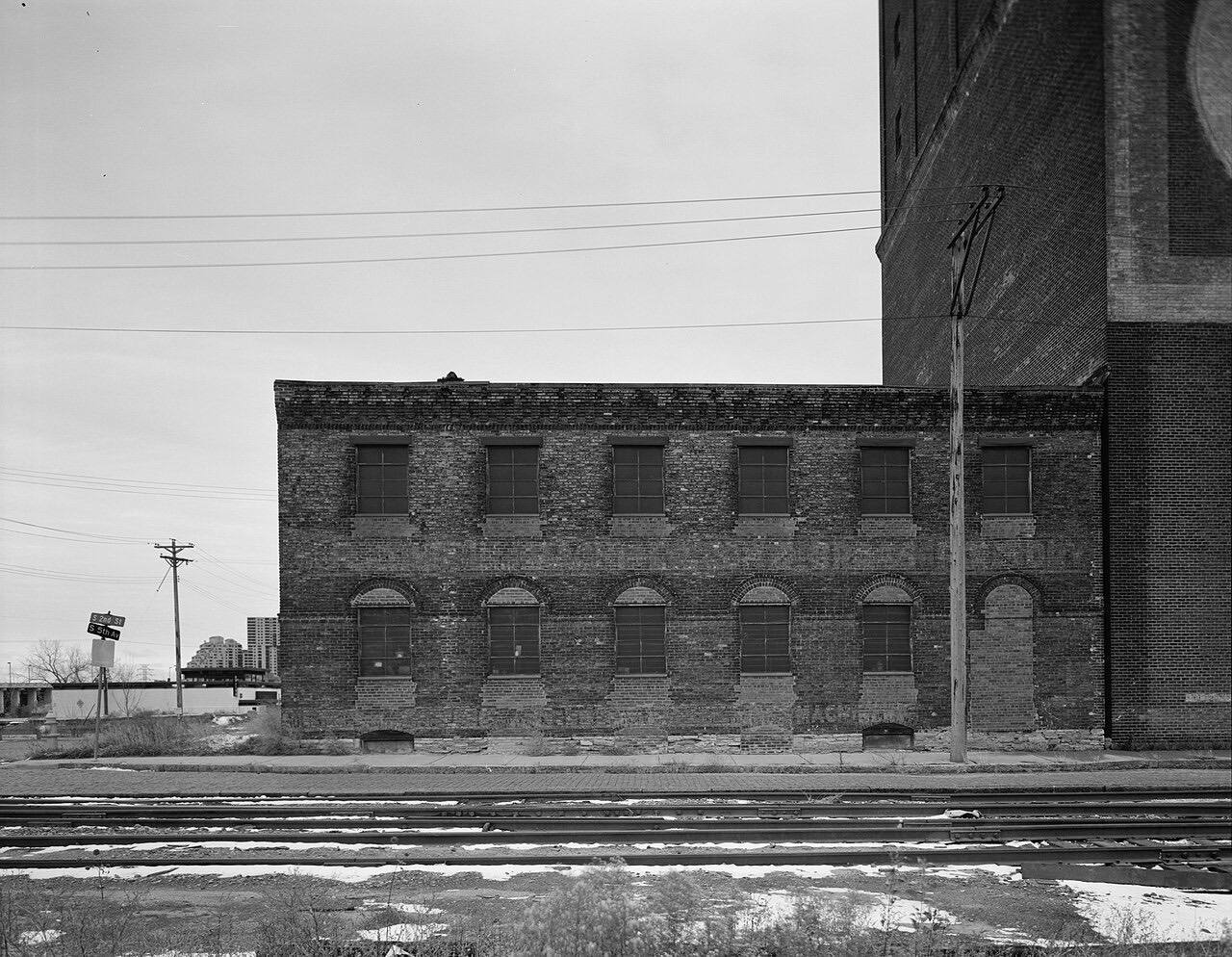
The debate over energy policy has reached a fever pitch in recent weeks, with politicians from both sides of the aisle scrambling to present themselves as champions of the public's interests. Yet, it has become increasingly clear that this bipartisan habit of selective memory is not only undermining the integrity of the discourse but also delaying the necessary reforms we so desperately need.
The Left's Lamentations
On one side, we have the left, who have been vocal in their criticism of the energy monopolies and the deregulation that has led to skyrocketing prices and supply shortages. They decry the businesses that prioritize profit over people, arguing that the government must step in to take control of the energy market. However, in their zeal to point fingers, they often overlook the fact that many of these policies stemmed from initiatives they themselves supported in prior years. The push for deregulation during the late 1970s came from a desire to open up the market, ostensibly to increase efficiency and competition.

"The left's anger over energy prices is valid, but their selective memory of past policies raises questions about their current credibility."
This amnesia is particularly evident in their calls for nationalization of energy resources. While it is easy to advocate for such sweeping changes in the face of crisis, the left must grapple with the historical inefficiencies and bureaucratic bottlenecks that have plagued nationalized industries in other contexts. The push for immediate action must be tempered with a consideration of the long-term implications of such policies.
The Right's Rhetoric
On the other hand, the right has positioned itself as the defender of free markets and individual liberties, accusing the left of fostering a culture of dependency on government assistance. They argue that the energy crisis is a result of over-regulation and that the solution lies in further deregulation and tax incentives for private energy companies. Yet, in doing so, they conveniently forget the significant role that their own policies have played in creating the current energy landscape.
"While promoting free enterprise, the right often ignores the consequences of unchecked corporate power in the energy sector."
The fervor for deregulation has led to a concentration of power among a few energy giants who are more concerned with profit than the public good. The right's insistence on further deregulation, without addressing the existing monopolies and their impact on consumers, is a dangerous path that could exacerbate the crisis rather than resolve it.
A Call for Accountability
Both sides are guilty of failing to take responsibility for the energy crisis. The left's passionate calls for change must be matched with an understanding of the complexities of energy policy, while the right must reconcile its free-market ideals with the realities of corporate influence. It is essential for both parties to acknowledge their past mistakes and work collaboratively toward a sustainable energy future.
As we navigate these turbulent waters, it is crucial that our leaders rise above partisanship and engage in a genuine dialogue about the future of our energy grid. Both sides must put aside their historical grievances and preconceived notions to forge a path forward that prioritizes energy independence and consumer protection.
The Path Forward
Moving forward, a comprehensive energy policy must be developed that addresses the root causes of the crisis while considering the long-term implications of any proposed changes. It is imperative that we learn from the past rather than repeat it. The energy grid is a vital component of our economy and society, and we owe it to ourselves to ensure its stability and sustainability.
In conclusion, the time has come for both the left and the right to acknowledge their contributions to the current energy crisis and work together towards pragmatic solutions. The future of our energy grid depends on the willingness of our leaders to confront their pasts and commit to a collaborative approach in addressing the challenges that lie ahead. Only then can we hope to secure a stable and equitable energy future for all Americans.
✦ ✦ ✦