From the file. Written for the paper dated February 1980. Opened in the public stacks July 14, 2026.
As winter lingers on, the air quality in several major cities across America has reached alarming levels, prompting health officials to issue alerts. Unfortunately, the reaction from our political leaders reveals a troubling pattern of selective memory that transcends party lines.
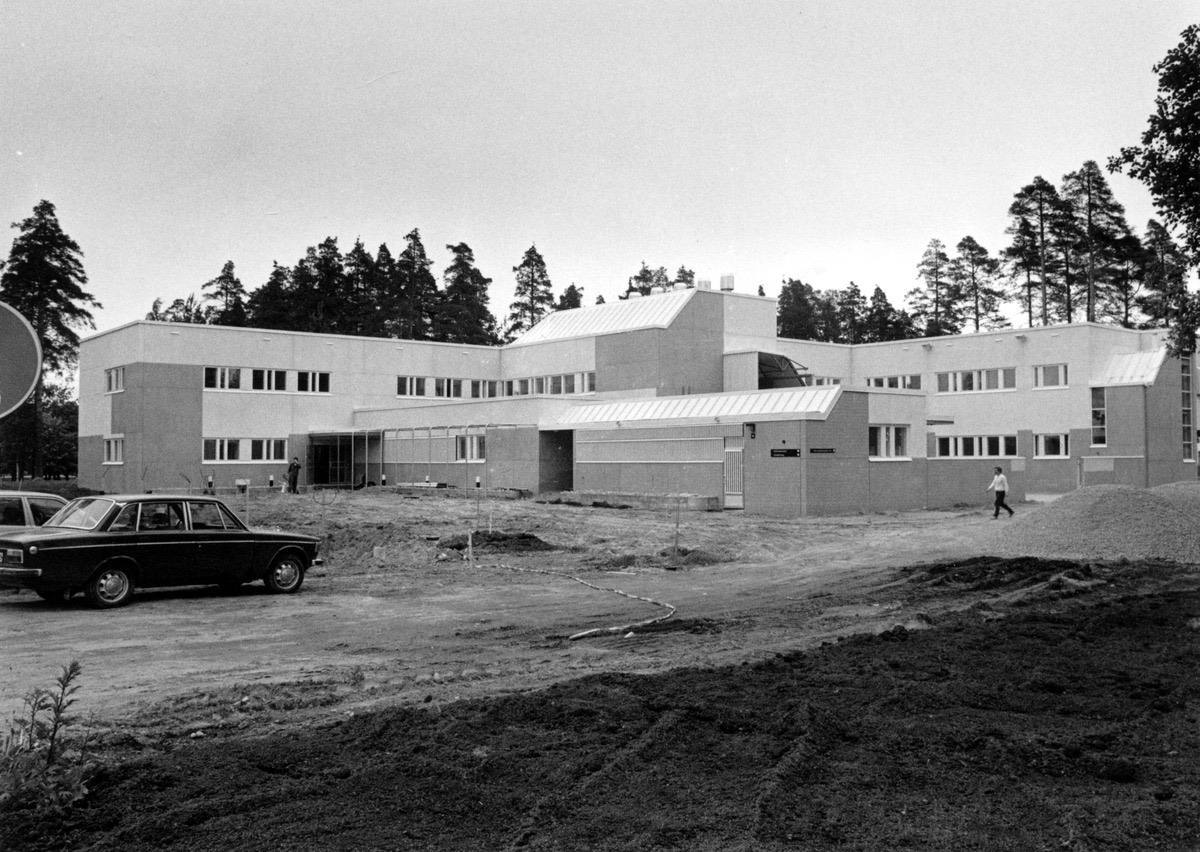
The Current State of Air Quality
In New York City, Los Angeles, and other urban centers, the combination of cold temperatures and stagnant air has led to an increase in pollutants, raising concerns about respiratory health. The Environmental Protection Agency has issued advisories urging residents to limit outdoor activities, particularly those with pre-existing conditions. Yet, as cities grapple with these issues, one must question why such alerts seem to come as a surprise, given the historical context of air pollution in America.
Over the past few decades, air quality has remained a contentious issue. The Clean Air Act of 1970 marked a significant step forward, but as we enter 1980, it appears that both sides of the political spectrum are prone to forgetting the lessons of the past. On the left, environmentalists often focus solely on current statistics while neglecting to acknowledge the progress made since the Act was implemented. Conversely, those on the right frequently downplay the severity of air quality issues, arguing that regulations stifle economic growth.
The Left's Selective Memory
Environmental advocates have been vocal about the need for stricter regulations to combat air pollution. They rightly point to the data showing increased instances of respiratory illnesses and the alarming levels of smog that have returned in recent weeks. However, their focus on current crises often overshadows the important advancements achieved over the past decade. The air is indeed cleaner than it was in the 1960s, thanks to regulations and innovations in pollution control technology. Yet, this progress is frequently sidelined in favor of alarmist rhetoric, which can alienate potential allies in the business community.
The Right's Oversight
On the other hand, conservative leaders often approach air quality issues with a dismissive attitude, prioritizing short-term economic benefits over long-term health. Their arguments against regulation often hinge on the belief that the free market will solve environmental problems without government intervention. While it is true that excessive regulation can hinder economic growth, ignoring the reality of air pollution only serves to endanger public health. The right's tendency to overlook the detrimental effects of air quality on vulnerable populations, including children and the elderly, is particularly troubling.
"Both sides have a habit of forgetting our environmental history and the urgent need for action."
Finding Common Ground
The current air quality alerts provide an opportunity for both sides to reassess their positions. Rather than engaging in a blame game, bipartisan efforts should focus on practical solutions. For instance, investments in clean technology could stimulate the economy while simultaneously improving air quality. This would require a shift in rhetoric from both sides, moving away from divisive narratives and toward a shared commitment to public health.
Moreover, public awareness campaigns could serve to educate citizens about air quality issues and encourage individual action. Simple measures such as carpooling, using public transport, and reducing energy consumption can collectively make a significant difference. Instead of fixating on political gains, leaders should prioritize the health of their constituents and the environment.
The Role of the Media
As journalists, we have a responsibility to report on air quality issues with clarity and accuracy. The media must not only highlight the current dangers but also provide context about the progress made and the challenges ahead. A balanced narrative can help dispel myths and foster a more informed public discourse. In this way, we can encourage both sides to recognize the importance of working together for a common cause.
As we navigate this critical moment, let us hope that leaders on both sides will remember that air quality is not a partisan issue; it is a public health issue. The stakes are high, and the time for action is now.
✦ ✦ ✦