From the file. Written for the paper dated January 1980. Opened in the public stacks July 14, 2026.
The pardon power, enshrined in the Constitution, remains one of the most contentious and least understood aspects of presidential authority. As we enter 1980, it is time to reassess the implications of this power and the quiet failure of oversight surrounding its exercise.
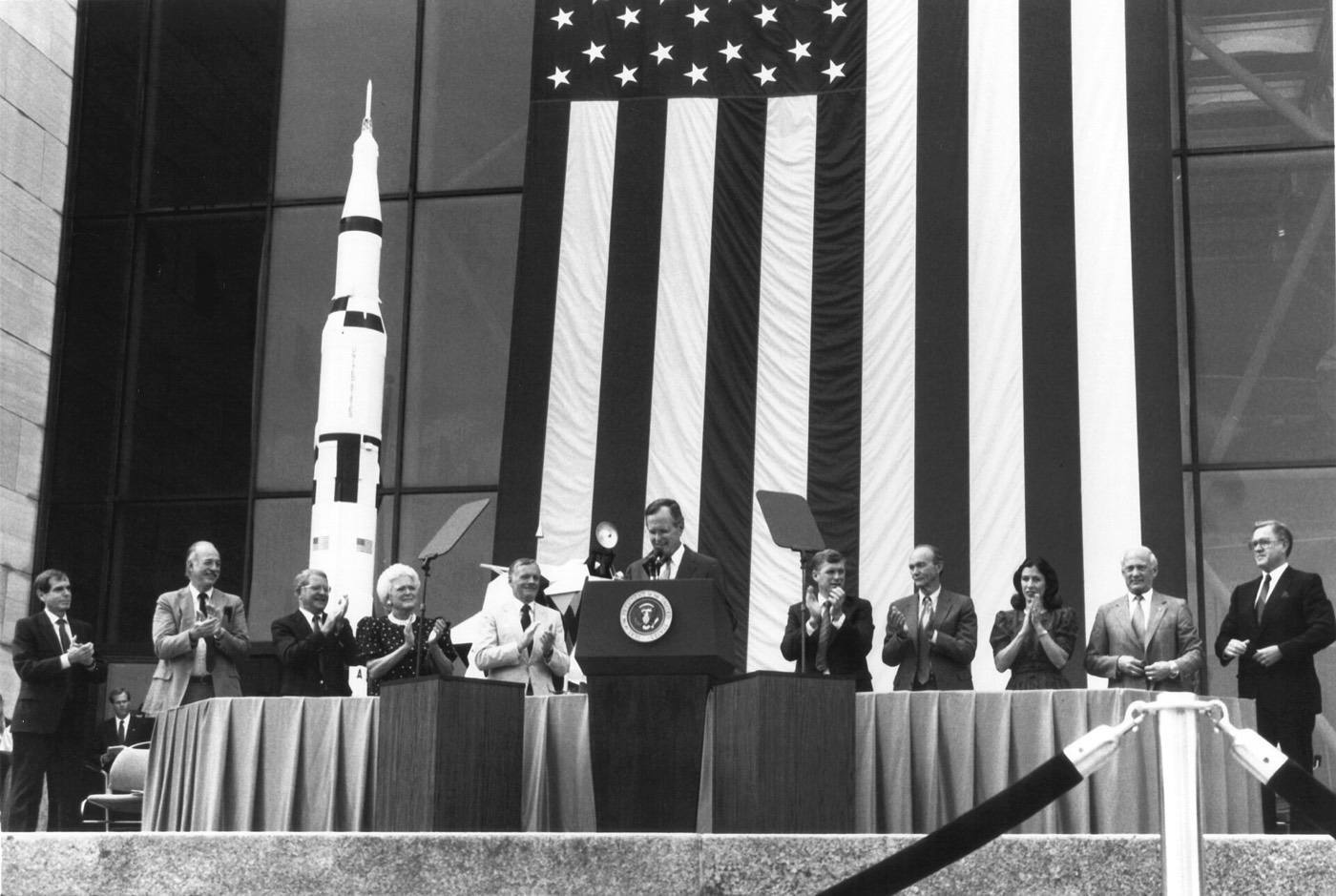
The Scope of Pardon Power
The Constitution provides the President with the authority to grant pardons for federal offenses, a power that has been wielded by both political parties throughout history. However, the lack of stringent guidelines and oversight has led to instances of abuse and favoritism, raising questions about the integrity of the justice system and the principle of accountability.
The framers of the Constitution intended for the pardon power to serve as a check on the judicial system, allowing for mercy and correction of wrongful convictions. Yet, as we have seen in recent years, this power can be manipulated for political gain or personal interest. The pardon of individuals with connections to the White House or those who have raised campaign funds for the sitting president is a glaring example of how the system can falter.
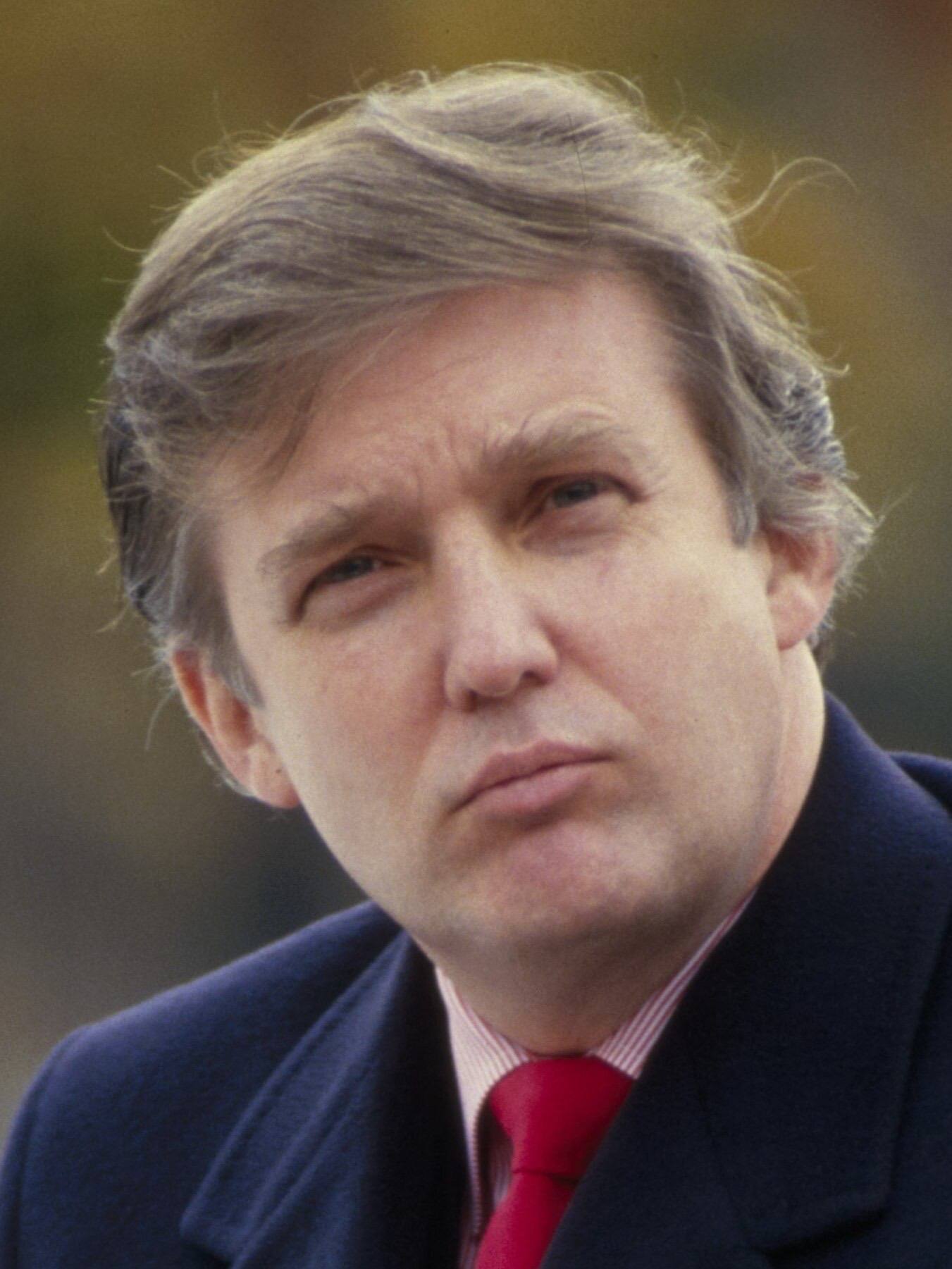
The Left's Critique of Pardon Practices
Critics on the left argue that the pardon power has been misused to shield those in power from accountability. High-profile pardons, such as those granted to former officials embroiled in scandals, highlight the potential for abuse. The left points to these instances as symptomatic of a broader issue: the erosion of ethical standards in government.
"The pardon power should not be a tool for political patronage, but a means of justice and fairness."
While the left's critique often resonates with those advocating for reform, it can also lead to an overreaching narrative that dismisses the legitimate use of pardon power. In their zeal to hold the powerful accountable, some progressives risk alienating individuals who may benefit from a more compassionate application of this authority. This creates a dilemma: how do we ensure that the pardon system serves its intended purpose without becoming a tool for partisan politics?
The Right's Defense of Pardon Authority
On the other side of the aisle, conservatives defend the pardon power as a necessary tool for executive discretion. They argue that the President, as the head of the executive branch, has the right to exercise this power based on his understanding of justice and mercy. However, this perspective often glosses over the potential for misuse and the need for accountability.
Many on the right tout the importance of law and order, yet they seem to overlook how the indiscriminate use of pardons can undermine public trust in the legal system. When pardons are perceived as rewards for loyalty rather than judgments based on fairness, the very foundation of justice is called into question. This hypocrisy can alienate moderates and independents who seek a balanced approach to governance.
"Pardons should reflect a commitment to justice, not merely a political strategy."
The Need for Oversight
As we move into a new decade, it is clear that the pardon power requires a thorough examination and potential reform. Establishing clearer guidelines and oversight mechanisms could help restore public confidence in this essential aspect of presidential authority. Proposals for a bipartisan commission to review and evaluate pardons before they are granted could be a step in the right direction.
Furthermore, transparency in the pardon process is crucial. The public deserves to know the rationale behind each pardon and the criteria used in decision-making. Without this transparency, the risk of partisanship and favoritism will continue to loom large, undermining the very purpose of the power itself.
A Call for Reform
In conclusion, both sides of the political spectrum must recognize the flaws inherent in the current application of pardon power. While the left should strive for compassion and justice, and the right should remain vigilant against the misuse of authority, a collaborative effort is needed to ensure that the pardon power serves its intended function as a mechanism of mercy and fairness, not as a weapon for political advantage.
As we stand on the precipice of a new era, it is imperative that we foster a climate of accountability and integrity. By demanding oversight and transparency, we can transform the pardon power from a source of contention into a beacon of justice that reflects our nation's values.
✦ ✦ ✦