From the file. Written for the paper dated December 1979. Opened in the public stacks July 14, 2026.
As the debate over civil service reform reverberates through the halls of Congress and across the nation, it is essential to take a measured approach that transcends the extremes of both political spectrums. The discussions surrounding reform are characterized by passionate arguments that often overlook the nuanced realities of the civil service system.
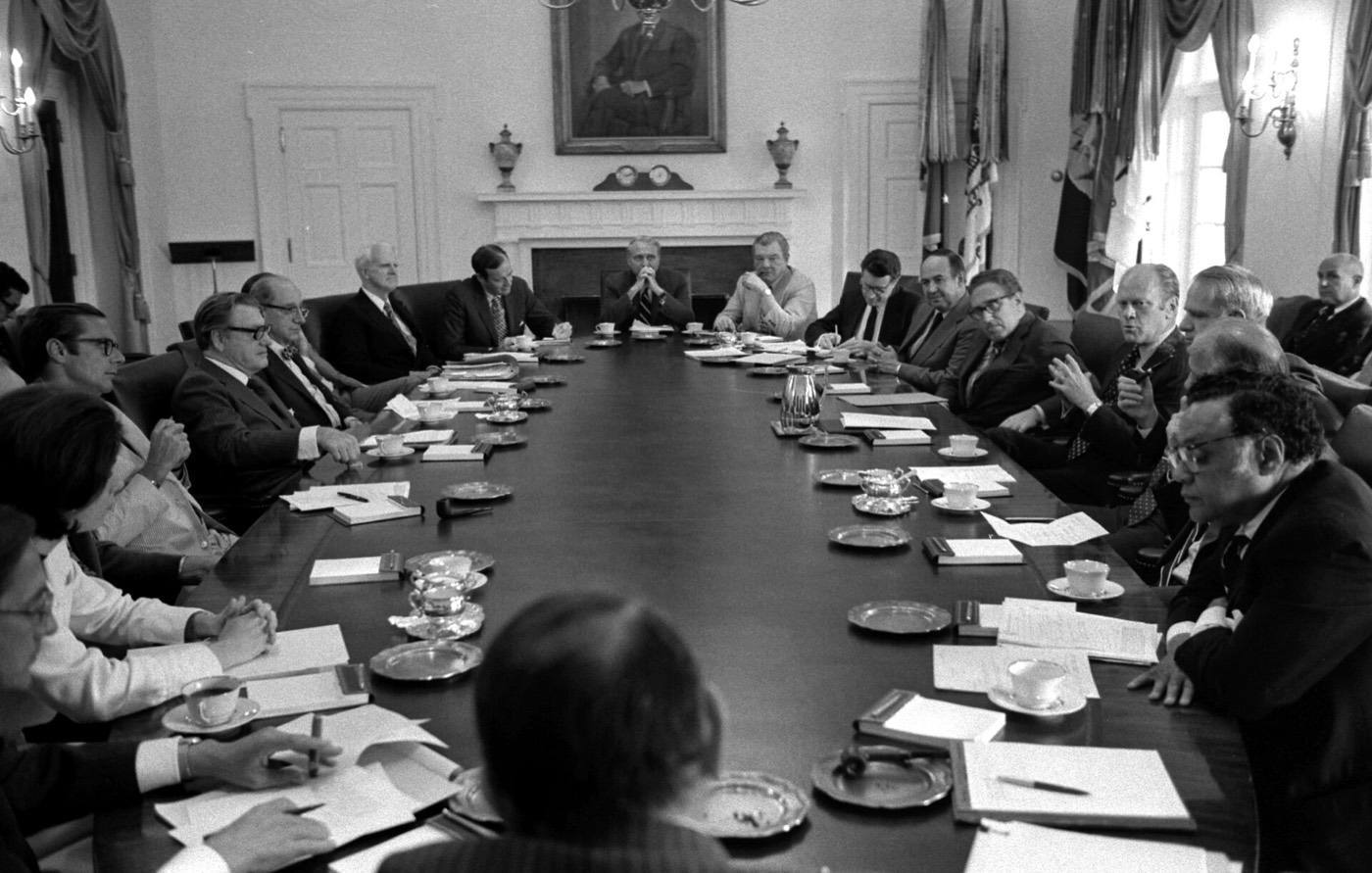
The Polarized Landscape
On one side, proponents of sweeping reforms argue that the current civil service system is bloated and inefficient, burdened by layers of bureaucracy that stifle innovation and responsiveness. They advocate for a more flexible workforce, one that can adapt to the changing needs of government and the populace. This faction often emphasizes the need for merit-based hiring practices and the elimination of job protections that they argue create complacency among government employees.
Conversely, critics of radical reforms warn against dismantling the very protections that have been established to safeguard against political patronage and discrimination. They argue that the civil service system is essential for maintaining a competent and non-partisan workforce that serves the public interest, rather than the whims of political leaders. These voices caution that any reform that undermines job security could lead to a return to the era of political favoritism, where jobs are doled out based on loyalty rather than ability.

A Middle Path
In the midst of this polarized discourse, it is crucial to consider a middle path that acknowledges the valid concerns of both sides. While it is undeniable that inefficiencies exist within the civil service, a complete overhaul could have unforeseen consequences that jeopardize the integrity of public service. Instead of seeking to eliminate protections, reform efforts should focus on enhancing accountability and performance evaluation mechanisms to ensure that government employees are effectively fulfilling their roles.
One potential avenue for reform lies in the implementation of performance-based incentives that reward exemplary service rather than blanket job security. This approach could encourage a culture of excellence within the civil service, allowing employees to feel a sense of ownership over their work while still preserving essential protections against arbitrary dismissal.
“A measured approach to civil service reform is essential, one that balances efficiency with the integrity of our public institutions.”
The Role of Technology
Additionally, the advent of new technologies offers a unique opportunity to enhance the efficiency of government operations without sacrificing the principles of public service. By integrating modern management practices and technologies into the civil service, we can streamline processes and improve service delivery. This does not mean abandoning the civil service system altogether, but rather evolving it to meet contemporary challenges.
However, we must remain vigilant against the allure of simplistic solutions proposed by those on either end of the political spectrum. The left often calls for increased funding for training and resources without addressing the systemic issues that lead to inefficiency. Meanwhile, the right frequently champions privatization and deregulation as panaceas, ignoring the potential pitfalls of reducing governmental oversight.
The Legislative Landscape
As lawmakers gather to debate potential reforms, they must strive to engage in a constructive dialogue rather than resorting to partisan posturing. The stakes are high, and the implications of their decisions will resonate throughout the fabric of our society. It is not merely a question of how we manage our civil servants, but how we define the role of government itself.
In crafting any reforms, legislators should prioritize the input of those who work within the civil service. Their firsthand experiences and insights are invaluable in shaping a system that is both efficient and equitable. Furthermore, collaboration with stakeholders from various sectors - public, private, and non-profit - can foster innovative solutions that transcend partisan divides.
A Call for Thoughtful Engagement
Ultimately, civil service reform is not a battle between right and left but a shared responsibility to uphold the principles of effective governance. The challenge lies in forging a consensus that respects the values of accountability and service while also recognizing the need for adaptation in an ever-changing landscape. As we navigate these turbulent waters, a thoughtful and deliberate approach will be paramount.
✦ ✦ ✦