From the file. Written for the paper dated November 1979. Opened in the public stacks July 14, 2026.
The recent wave of port congestion across the nation is more than just a logistical nightmare; it is a symptom of deeper issues within our economic framework that both sides of the political spectrum seem eager to ignore.
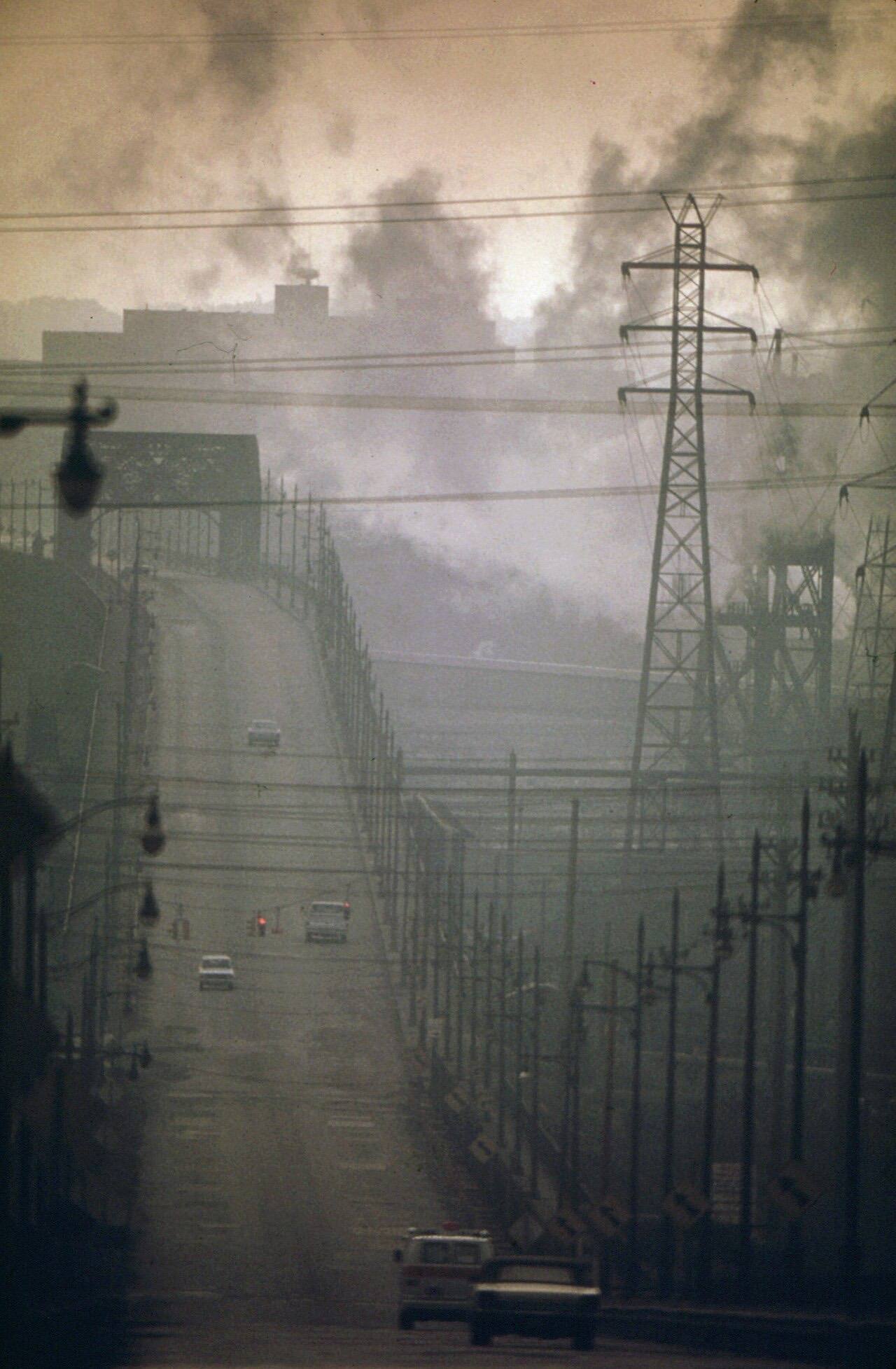
Supply Chains and Political Blame Games
As ships languish in harbors, cargo remains trapped in the limbo of inefficiency. The left, with its penchant for regulation, has sought to blame corporate greed for the delays, insisting that the private sector is failing to adapt to the demands of a global marketplace. On the other hand, the right has responded with its typical call for less government intervention, arguing that regulatory frameworks are an unnecessary burden on businesses trying to operate efficiently.
While both arguments carry weight, they miss the larger issue at play. The reality is that the congestion at our ports is not simply a matter of private sector incompetence or government overreach. It is a complex web of factors including outdated infrastructure, outdated labor practices, and the whims of international trade dynamics.
"The congestion at our ports is not simply a matter of private sector incompetence or government overreach."
Infrastructural Failings
Critics on both the left and right would do well to acknowledge the crumbling state of our infrastructure. For decades, investment in port facilities has lagged behind the growth in international trade. Politicians have bickered about the merits of various infrastructure spending programs, but few seem willing to commit to a comprehensive plan that addresses not only the immediate needs but also the long-term viability of our ports.
Moreover, labor negotiations often seem more focused on ideological battles than on practical solutions. Unions have legitimate concerns about job security and working conditions, yet these discussions often become mired in political posturing rather than productive dialogue. As a result, the very workers who are essential to the smooth operation of our ports find themselves caught in the crossfire of political excess.
Global Trade Dynamics
The issue of port congestion cannot be divorced from the current state of global trade. With the rise of multinational agreements and the complexities of shipping logistics, our ports are often overwhelmed by the sheer volume of goods passing through. Recent strikes and labor disputes in other countries have exacerbated these issues, creating a ripple effect that lands squarely on our shores.
Both sides of the aisle must recognize that this is a global problem requiring cooperation and innovative thinking. The left cannot simply demand more regulations without considering their impact on international competitiveness, while the right must acknowledge that an unfettered market can lead to chaos when infrastructure cannot support it.
A Call for Bipartisanship
The solution to our port congestion crisis lies not in further division but in a collaborative approach that prioritizes the needs of both workers and businesses. If lawmakers from both sides of the aisle can set aside their ideological differences, they could forge a path toward a more efficient system that benefits all stakeholders involved.
Investing in modern infrastructure and streamlining labor negotiations will not only alleviate congestion but also ensure that the U.S. remains competitive in the global marketplace. It is time for both the left and right to stop playing the blame game and start addressing the root causes of this pressing issue.
Conclusion: Beyond the Rhetoric
In conclusion, the current state of port congestion is emblematic of the excesses of both the left and right. Political posturing and ideological battles have distracted from the pressing need for real solutions. As we navigate these turbulent waters, it is incumbent upon our leaders to rise above partisan squabbling and work together for a sustainable future.
✦ ✦ ✦