From the file. Written for the paper dated November 1979. Opened in the public stacks July 14, 2026.
In an era where public sentiment can swell to a tidal wave of rage, one must question if outrage itself has become a commodity - an item to be bought, sold, and traded on the open market of opinion.

Outrage as a Marketable Commodity
The political landscape, as it stands in November of 1979, is a reflection of two extremes. On one side, we have the left, who have perfected the art of indignation to a degree that has all but turned protest into a performance. On the other, the right, which has cultivated its own brand of outrage - one that often relies on the manipulation of fear and misinformation. Both factions, it seems, have found a lucrative business in rage, but the process behind this manufactured fervor is rarely scrutinized.
Every week, headlines erupt with accounts of social injustices, environmental disasters, or political malfeasance. Activists rally, and politicians seize the moment to grandstand, yet the underlying mechanics of outrage remain largely unexamined. It’s as if we are all players in a grand stage production where the script is written not by the events themselves, but by those who wish to capitalize on the emotional response they evoke.
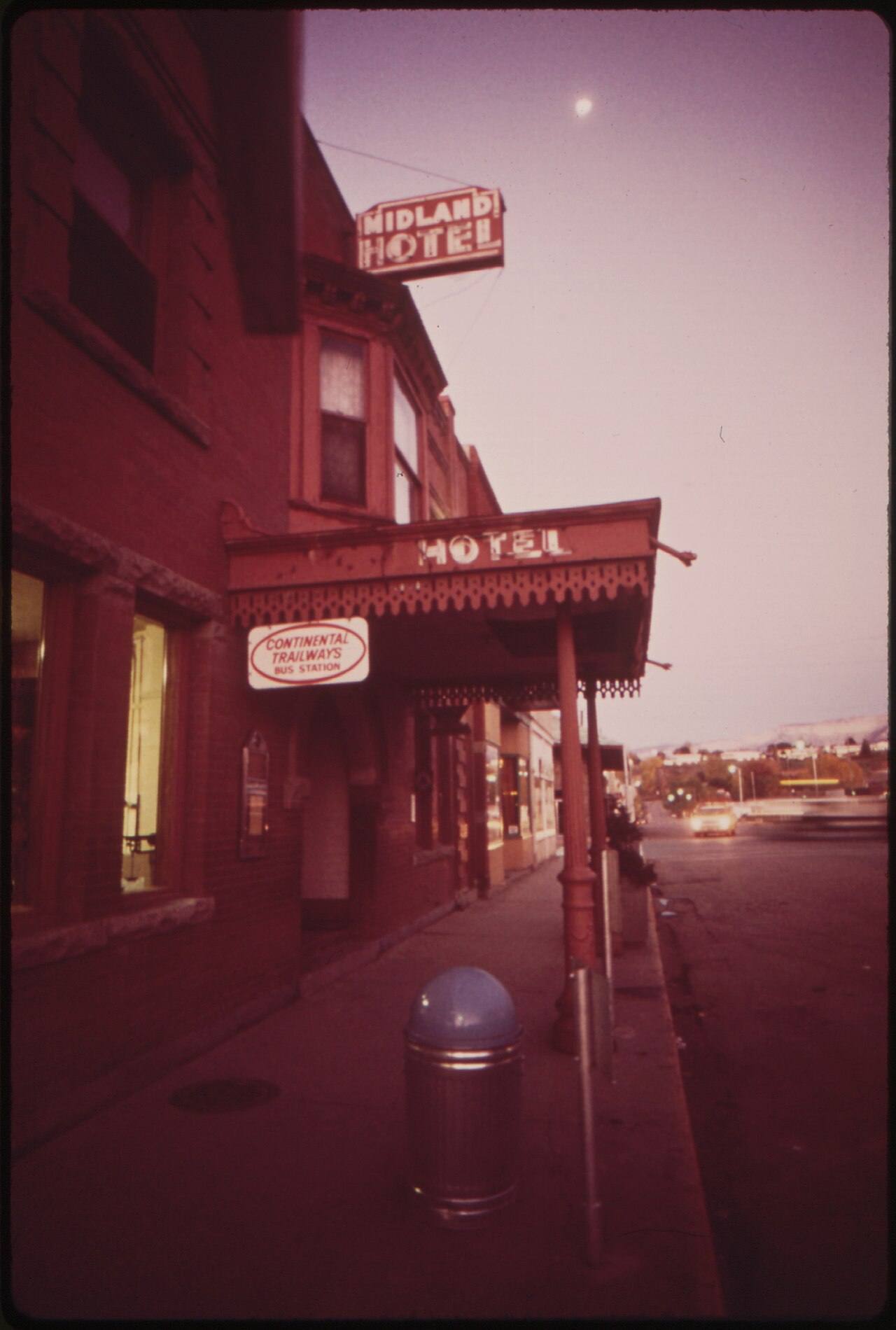
“Is our outrage authentic, or merely a reflection of what we are told to be outraged about?”
The Left's Performance of Outrage
Take, for instance, the recent surge in environmental activism. While the cause is undoubtedly important, the manner in which it is presented often feels less about genuine concern and more about creating a spectacle. Take the myriad of protests that have filled our streets and airwaves. They often resemble a theatrical performance more than a serious call to action. The left, fueled by a desire to effect change, occasionally forgets that authenticity is lost when the message becomes secondary to the performance.
Moreover, the left's narrative can sometimes alienate those who might otherwise be sympathetic to their cause. By framing issues in stark black-and-white terms, they risk dismissing the nuances of complex problems. This polarization only serves to exacerbate divisions, stifling meaningful discourse and driving moderates away. Outrage, it seems, is a product that can easily become a toxic commodity when wielded irresponsibly.
The Right's Manipulation of Fear
On the other end of the spectrum, the right has taken to stoking fear as a way to generate outrage. Amidst the economic malaise and rising inflation, there is a concerted effort to paint a picture of a society under siege, with the government as the enemy. This narrative has resonated with certain segments of the populace, but it often ignores the complexities of the issues at hand. Instead of fostering a constructive dialogue about economic policies or social programs, the right opts for alarmist rhetoric that appeals to the basest instincts of the public.
The consequence of this approach is a populace gripped by fear rather than armed with understanding. Questions about the economy should be addressed through rational debate, not through the lens of panic. Yet, in a world where outrage is a product, it is far easier to sell fear than to encourage thoughtful discussion.
The Danger of Manufactured Outrage
As we navigate this charged atmosphere, we must ask ourselves whether our outrage is authentic or merely a reflection of what we are told to be outraged about. The danger lies in our collective failure to engage critically with the issues that ignite our passions. Outrage, when manufactured, can lead to a cycle of division and hostility, overshadowing the possibility for constructive dialogue and genuine progress.
In this climate, we must strive for a balance - recognizing that while outrage can be a catalyst for change, it should not be the sole driving force. We must engage with the complexities of the issues we face, allowing for nuance and understanding rather than succumbing to the allure of a simplified narrative.
Moving Forward
In conclusion, the procedure nobody wants to discuss - the commodification of outrage - requires our attention. As citizens, we must demand more from our leaders and ourselves. We owe it to the causes we support, the communities we inhabit, and the future we wish to build to engage thoughtfully and authentically. Outrage can be a powerful motivator for change, but it should never be the only product on offer. Our democracy depends on it.
✦ ✦ ✦