From the file. Written for the paper dated October 1979. Opened in the public stacks July 14, 2026.
As the nation continues to grapple with the aftermath of war, the Veterans Affairs backlog stands as a grim reminder of the bureaucratic machine that struggles to support those who have served. Yet, beneath the surface of outrage and headlines lies a convoluted system that is both critical and often misunderstood.
The Weight of Service
Veterans returning from conflicts, whether in Vietnam or elsewhere, face challenges that extend beyond the battlefield. While they are hailed as heroes, the reality is that many encounter significant obstacles in accessing the benefits they were promised. The backlog at the Department of Veterans Affairs (VA) has reached a staggering level, with thousands of claims pending for months, if not years. This delay not only affects financial support but also impacts veterans’ mental health, exacerbating feelings of neglect.
The Bureaucratic Maze
The VA's backlog isn't merely a result of an increased number of claims; it is indicative of a system burdened by outdated practices and insufficient resources. The processes involved in filing claims are often convoluted, requiring extensive documentation that many veterans struggle to compile. This bureaucratic maze is compounded by a lack of clear communication between the VA and veterans, leading to frustration and confusion.
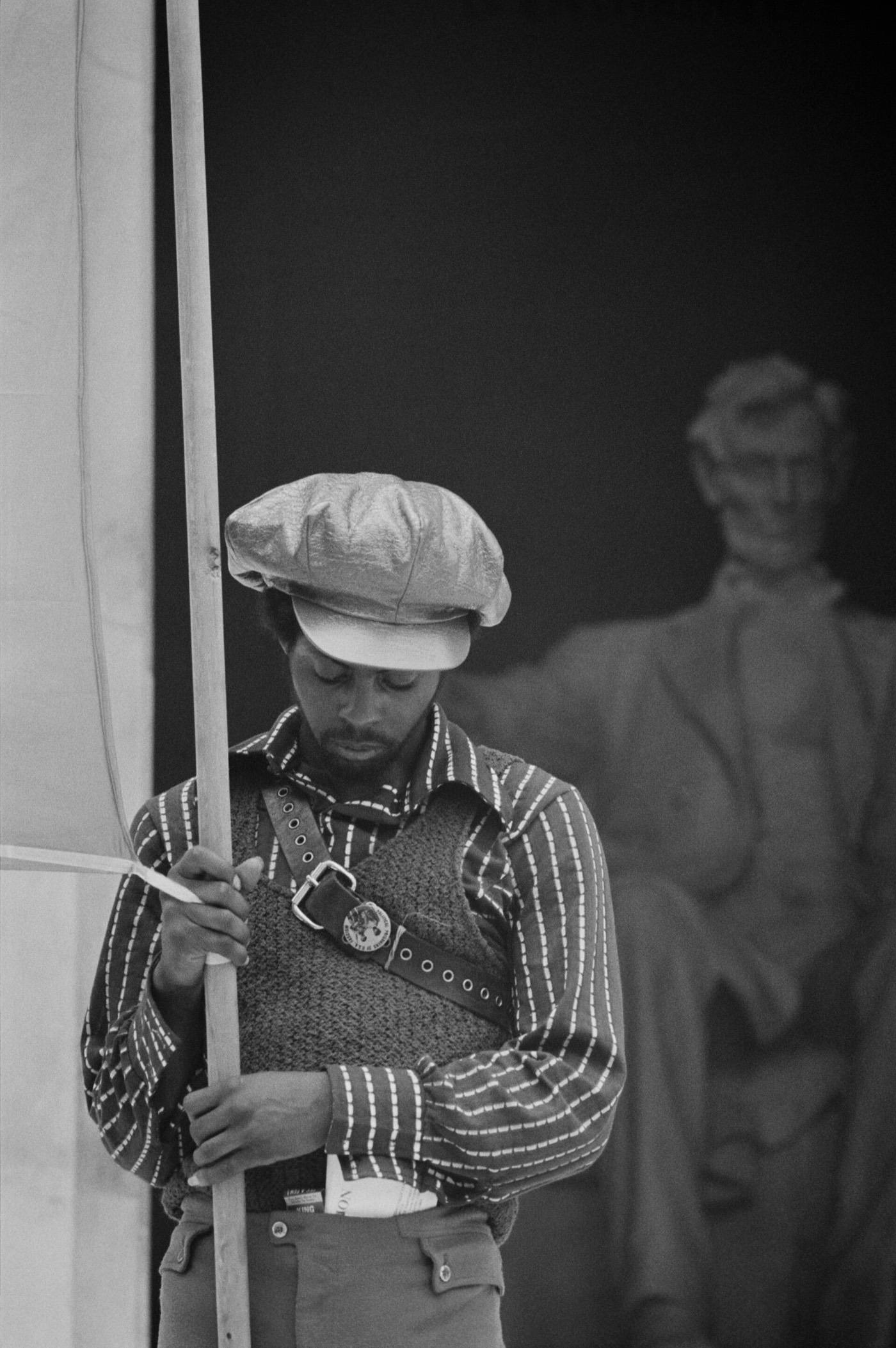
"The system is designed to fail, and our veterans deserve better." - A frustrated veteran advocate
Political Posturing
In the current political climate, the issue of veterans' benefits has become a battleground for partisan warfare. On one side, left-leaning politicians argue for increased funding and reform to streamline the VA's operations. They decry the Republican focus on budget cuts as detrimental to those who have sacrificed for their country. On the other hand, right-leaning factions emphasize the need for accountability and efficiency within the VA, often accusing the agency of mismanagement and waste.
This tug-of-war is emblematic of a larger issue: both sides are speaking to the cameras rather than addressing the real systemic problems at hand. The left may call for spending without offering tangible plans for reform, while the right may champion accountability without acknowledging the need for adequate resources. In the end, veterans remain caught in the crossfire of political agendas.
Voices from the Ground
As the political elite engage in their verbal sparring, the voices of veterans often go unheard. Many veterans express a profound sense of betrayal. They sign up to serve their country, only to find themselves in a maze of red tape when they return home. Some veterans have taken to advocacy, rallying for changes in the system, while others grapple with depression and anxiety as they wait for benefits that seem perpetually out of reach.
The emotional toll of the backlog cannot be overstated. For many veterans, the delays in receiving medical care, housing assistance, and disability benefits translate into a profound sense of abandonment. When the nation celebrates their service on one hand but fails to provide critical support on the other, it creates a paradox that is both painful and perplexing.
A Call for Reform
It is clear that the current state of the VA cannot persist. Reform is not merely a suggestion; it is a necessity. Those who have served deserve a system that is responsive and efficient, a system that does not leave them feeling as though they are fighting another battle just to receive the care they need.
To address the backlog, a multi-faceted approach is required. First, increased funding for the VA is essential to ensure that staffing levels are appropriate for the volume of claims. This would allow for a more streamlined process and reduce wait times. Additionally, simplifying the claims process and improving communication with veterans will empower them, making it easier to navigate the system.
As we strive for a more equitable future for our veterans, we must look beyond the sound bites and political theatrics. It is imperative that we prioritize the well-being of those who have served our country. The VA backlog is not just a statistic; it is a reflection of our national commitment to honor our promises and care for those who have sacrificed so much.
Conclusion
In the end, the cacophony surrounding the veterans' affairs backlog is a reminder that behind every statistic are real individuals with stories and struggles. The mechanisms that govern our VA need to be re-evaluated and reformed. It is a matter of honor, duty, and, most importantly, compassion.
✦ ✦ ✦