From the file. Written for the paper dated August 1979. Opened in the public stacks July 14, 2026.
As the nation grapples with the implications of the recent health crises, a closer examination reveals a stark contrast between public claims of pandemic readiness and the sobering reality reflected in our current health infrastructure.
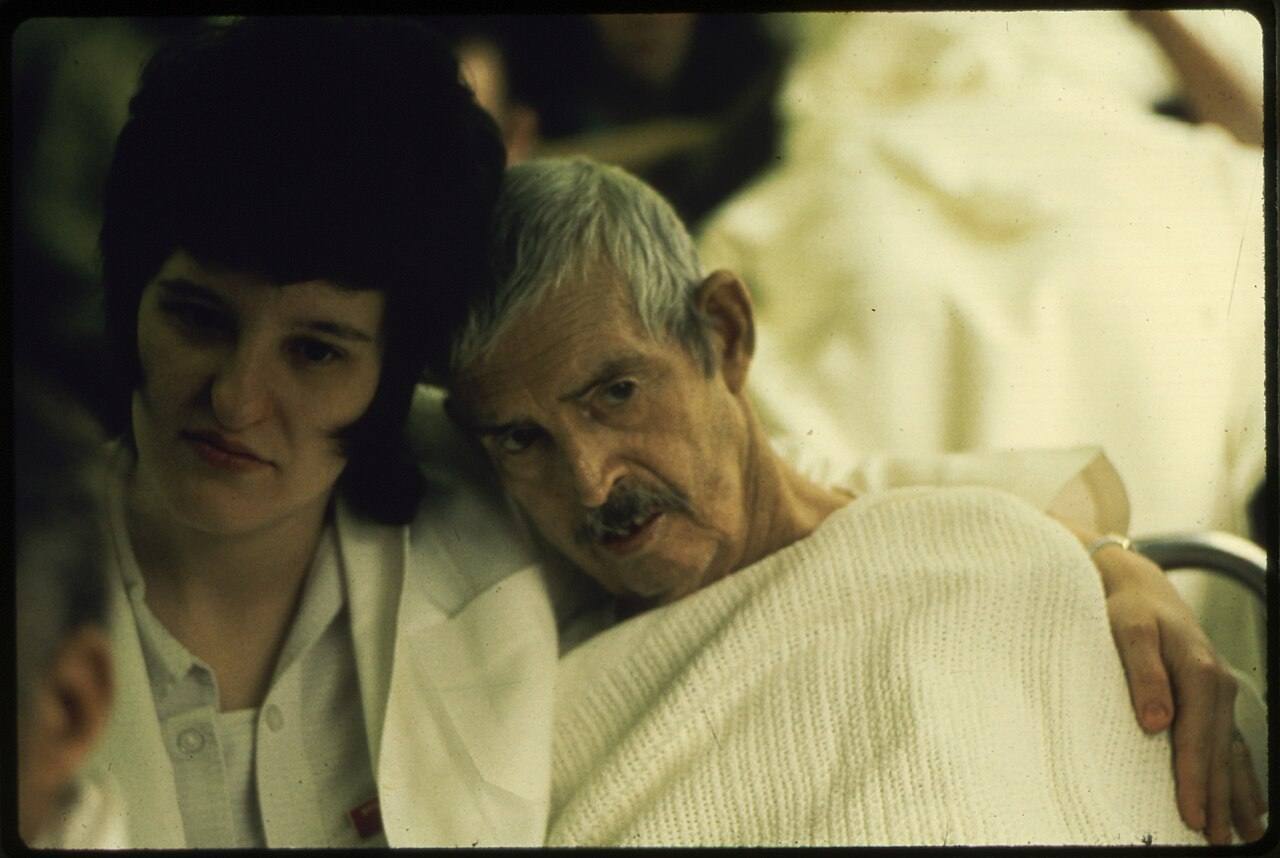
Public Confidence vs. Ground Realities
In the wake of several high-profile outbreaks and health scares, government officials have made bold assertions about the nation's preparedness to handle potential pandemics. Yet, as we delve deeper into the actual state of our public health systems, it becomes clear that such claims often lack substantive backing. The gulf between rhetoric and reality raises critical questions about the effectiveness of our current health policies.
Officials from the Centers for Disease Control and Prevention (CDC) consistently laud the strides made in surveillance and response capabilities. They assert that the United States is now better equipped than ever to respond to infectious disease threats. Yet, reports from local health departments tell a different story - one of underfunded programs, insufficient staffing, and fragmented communication networks that could hinder rapid response to an outbreak.

"We are prepared for anything," a health official claims, but the local clinics are operating on shoestring budgets.
Community health centers, often the first line of defense against infectious diseases, are facing a dire funding crisis. Many are struggling to maintain basic services, let alone prepare for a potential pandemic. The lack of resources translates into fewer vaccinations, inadequate training for health workers, and limited access to necessary medical supplies.
The Left's Overreach and the Right's Neglect
The current discourse surrounding health policy is heavily polarized. On the left, there is a persistent call for sweeping reforms that promise universal health care and a robust public health system. While the intentions may be noble, the reality is that many of these proposals are often unrealistic and face significant opposition. The ambitious plans put forth tend to overlook the logistics of implementation and the financial burden they pose on taxpayers.
Conversely, the right tends to advocate for a more market-driven approach to health care, emphasizing personal responsibility and privatization. However, this perspective often neglects the vital role that government plays in safeguarding public health. By focusing too heavily on deregulation, the right risks undermining the very foundations of our health care system, which are crucial during times of crisis.
"Deregulation can lead to innovation," but in health care, it may lead to disaster.
Both extremes fail to recognize the importance of a balanced approach that combines effective regulation and the inclusion of public health initiatives. As we confront the reality of potential pandemics, it is clear that neither side has offered a comprehensive solution to ensure public health readiness.
Lessons from Recent Outbreaks
Recent outbreaks of diseases such as Legionnaires' disease and influenza have exposed significant gaps in our preparedness. The response to these incidents highlighted the need for immediate action and resources - yet, in many cases, the response was slow and disorganized. Local health departments report delays in receiving guidance from federal agencies, leading to confusion and miscommunication during critical moments.
Moreover, the lack of a cohesive strategy for managing public health emergencies has left many communities vulnerable. In the event of a pandemic, rapid testing, contact tracing, and effective communication with the public are crucial. However, current systems are often overwhelmed, and the necessary infrastructure is lacking. As a result, the public's trust in health authorities has waned, further complicating efforts to manage outbreaks effectively.
A Call for a Unified Approach
As we move forward, it is imperative to foster a dialogue that transcends partisan divides. The challenges posed by potential pandemics require a concerted effort that combines the strengths of both public and private sectors. A unified approach, grounded in collaboration, transparency, and adequate funding, is essential to build a robust public health infrastructure capable of responding to future crises.
In closing, the conversation surrounding pandemic readiness must shift from mere proclamations to actionable strategies. It is time for both sides of the political spectrum to come together and prioritize the health of all Americans - before another crisis emerges and catches the nation unprepared.
✦ ✦ ✦