From the file. Written for the paper dated August 1979. Opened in the public stacks July 14, 2026.
As political fervor reaches new heights, the issue of lobbying transparency has taken center stage, raising critical questions about the integrity of our democratic processes and the influence of special interests.
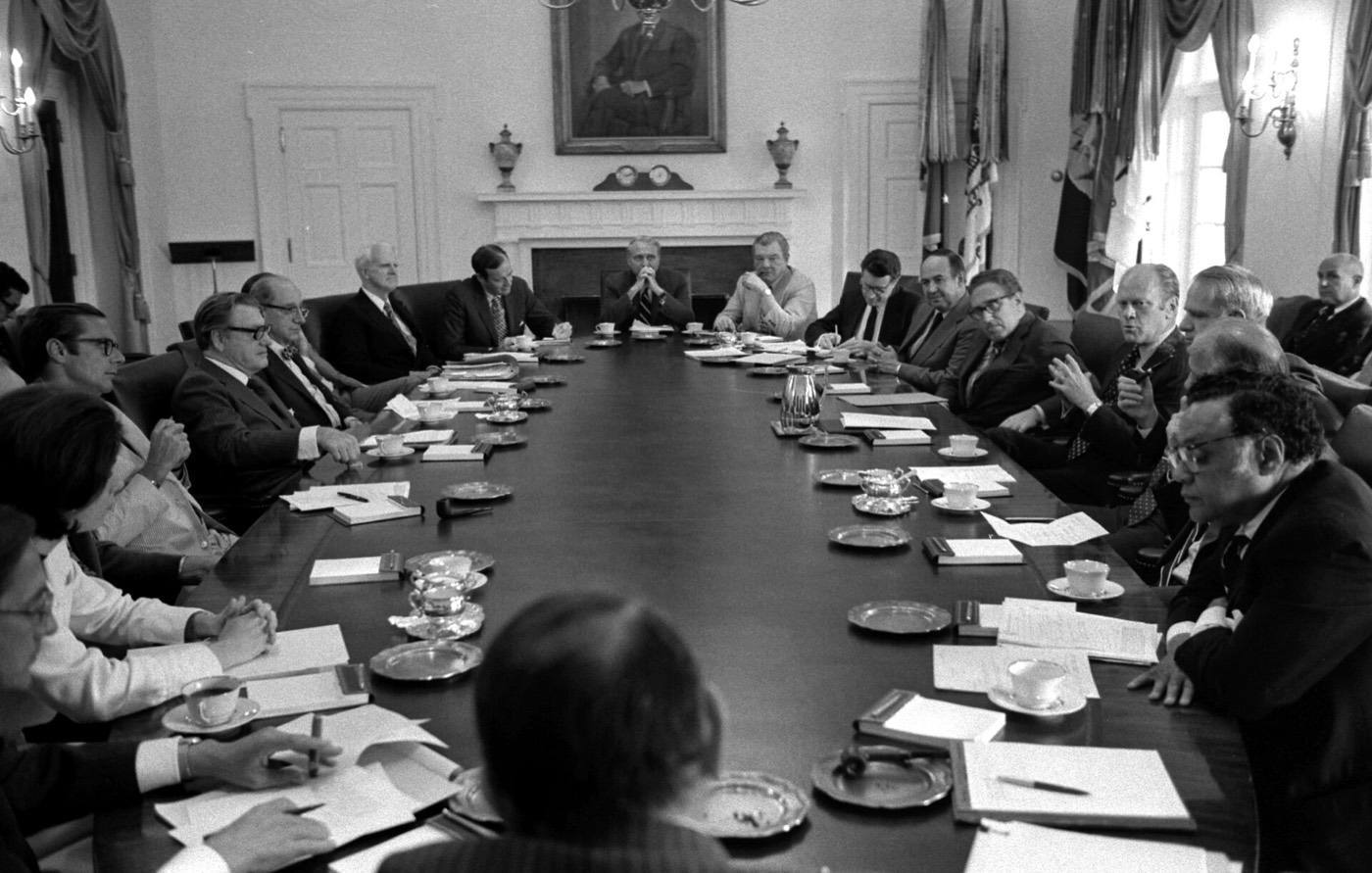
Lobbying: The Hidden Hand in Politics
In recent months, public discourse has been rife with claims from both ends of the political spectrum regarding the role of lobbyists in shaping legislation. On one side, advocates for greater transparency argue that the shadowy world of lobbying undermines democracy, allowing powerful interests to manipulate the political agenda. On the other, some lawmakers and industry representatives maintain that lobbying is a legitimate exercise of free speech and essential for informing legislators about complex issues. The truth, however, lies somewhere in between.
Currently, the Federal Regulation of Lobbying Act requires individuals and organizations that engage in lobbying to register and disclose their activities. Yet, a closer examination reveals significant discrepancies between public claims and the actual records maintained by the government. The data suggests that the loopholes and lax enforcement practices have allowed many lobbyists to operate without adequate oversight.
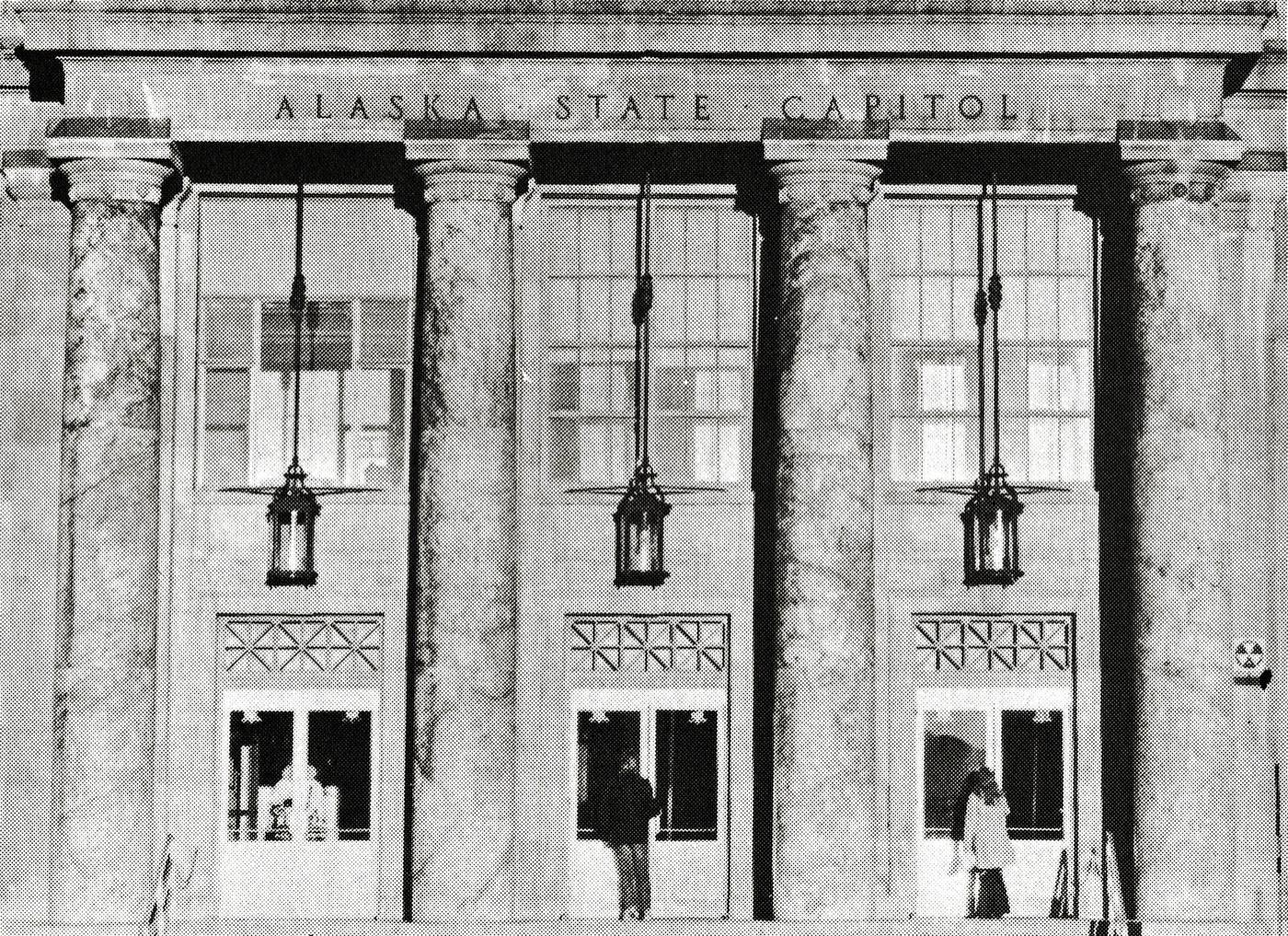
"The public deserves to know who is influencing their representatives." - A concerned citizen at a recent town hall meeting.
Critics of the current system argue that the existing disclosure requirements are insufficient. For one, lobbyists are only required to report their activities if they engage in direct communication with government officials. This means that many behind-the-scenes efforts remain unaccounted for, leaving the public in the dark about the extent of outside influence in political decision-making.
Moreover, there is a growing concern about the revolving door between government and industry. High-ranking officials often leave public service to work for lobbying firms, creating a cycle of influence that can cultivate conflicts of interest. This practice has further eroded public trust in institutions, as citizens struggle to reconcile their representatives' actions with their stated commitments to serve the public good.
On the left, there is a growing movement advocating for stricter regulations and comprehensive reform. Progressive activists have rallied around the idea of a "Lobbying Transparency Act," which would impose stricter reporting requirements and penalties for non-compliance. This movement is fueled by a broader discontent with the status quo, as citizens increasingly demand accountability from their elected officials.
However, critics of the left’s approach argue that overly stringent regulations could stifle the ability of legitimate organizations to advocate for their causes. They contend that this could lead to a chilling effect on free speech and hinder the exchange of ideas that is vital to a healthy democracy. In the pursuit of greater transparency, there is a risk of creating an environment where only the loudest voices are heard, drowning out smaller advocacy groups that lack the resources to navigate a complex regulatory landscape.
The Right's Response and the Push for Minimalism
On the right, the prevailing sentiment leans toward minimal regulation. Many conservative lawmakers argue that the free market should dictate the influence of various interest groups, asserting that lobbying is a natural extension of democratic engagement. They warn against the dangers of overregulation, positing that it could lead to a bureaucratic nightmare that stifles innovation and economic growth.
This argument, however, has not been without its detractors. Critics point to the increasing concentration of wealth and power in the hands of a few, arguing that without adequate checks and balances, the political landscape will inevitably skew in favor of wealthy interests. The right's resistance to reform has drawn ire from those who believe that the current state of lobbying enables corruption and undermines the principles of representative democracy.
As both sides dig in their heels, the issue of lobbying transparency continues to polarize public opinion. The left pushes for stricter regulations to combat what they see as rampant corruption, while the right fights to protect the freedoms of speech and association. In the midst of this standoff, the citizens remain caught in the crossfire, often left without a clear understanding of who truly represents their interests in the halls of power.
As we move forward into the uncertain political landscape of the late 1970s, the battle over lobbying transparency will undoubtedly shape the future of our democracy. It is imperative that we question the status quo and demand accountability from our elected officials, for the integrity of our political system hinges on the transparency of its operations.
✦ ✦ ✦