From the file. Written for the paper dated July 1979. Opened in the public stacks July 14, 2026.
As solar storms continue to pose a threat to modern technology and communication systems, the question arises: how prepared are our institutions to face these cosmic challenges?
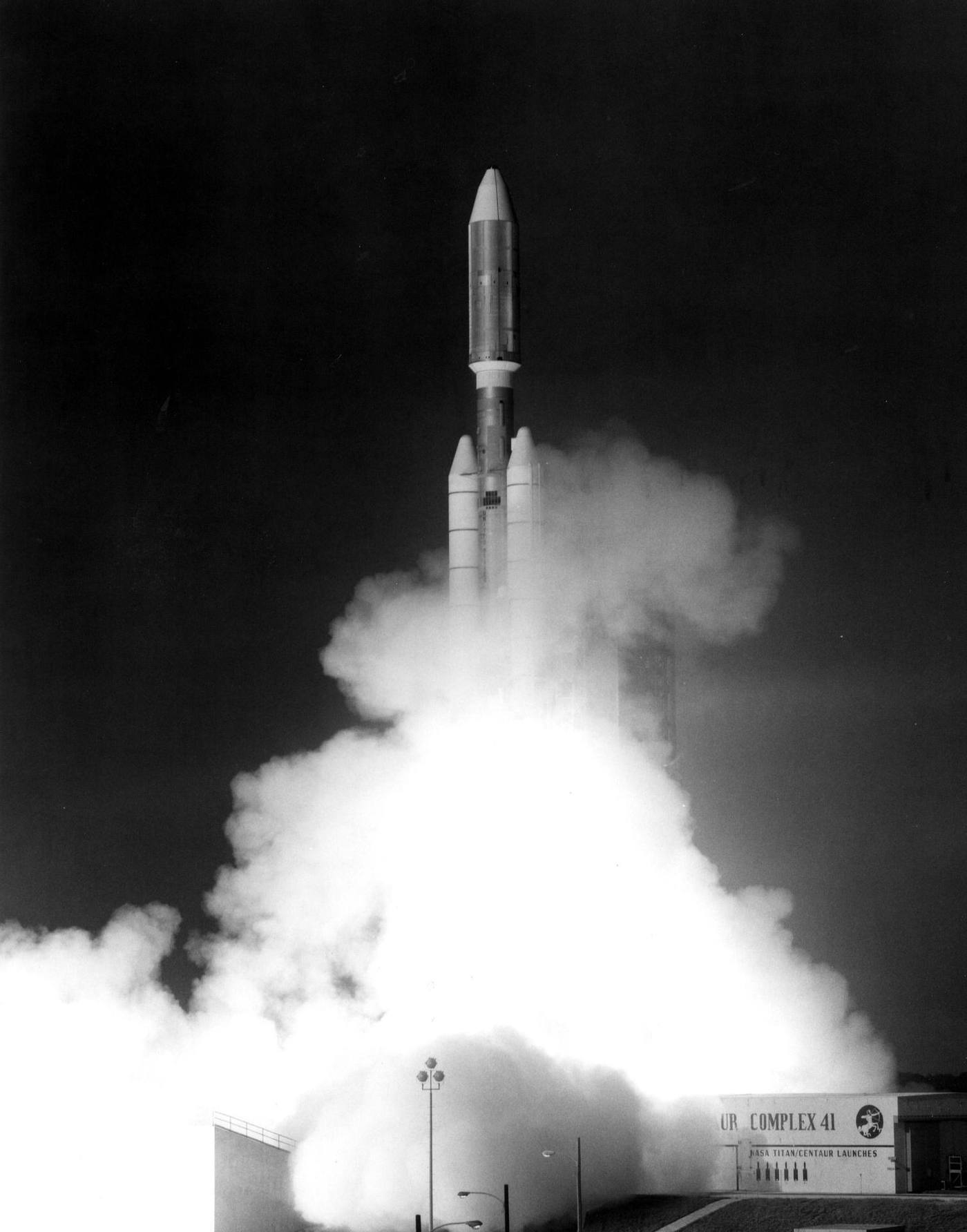
Understanding Solar Storms
Solar storms, driven by the sun's natural cycles, unleash bursts of solar wind and radiation that can disrupt electronic systems on Earth. These phenomena, while natural, have increasingly raised alarms among scientists and policymakers alike. Reports indicate that recent disturbances have led to intermittent failures in satellite communications and electrical grids. The implications of a severe solar storm could be catastrophic, with potential blackouts and disruptions in critical services.
Institutional Response
In response to the threat of solar storms, various institutions are taking precautions to protect their infrastructure. The National Aeronautics and Space Administration (NASA) has initiated programs to monitor solar activity, employing advanced technology to predict solar storms and assess their potential impact on Earth. Yet, as we consider these protective measures, a critical examination of the effectiveness of institutional responses is warranted.
"The sun is a powerful force, and we must recognize our vulnerability to its whims." - A leading astrophysicist
Left and Right Excesses
In this context, it is essential to address the extremes of both sides of the political spectrum as they relate to science and technology. On the left, there often exists a tendency to downplay the risks associated with technological advancements while promoting a narrative that embraces an unyielding faith in government intervention. This approach can lead to a lack of accountability and a failure to prepare adequately for potential disasters like solar storms.
Conversely, the right tends to lean heavily into skepticism regarding scientific consensus, promoting a narrative that often dismisses the severity of solar storm threats altogether. This disregard for expert opinion can hinder the collaborative efforts necessary to devise effective protective measures and responses. Both extremes overlook the importance of a balanced approach that recognizes the validity of scientific research while ensuring that institutions are accountable and prepared for the challenges posed by nature.
The Role of Education and Public Awareness
One significant gap in institutional responses to solar storms is public awareness. Many citizens remain oblivious to the potential impacts of a solar storm on their daily lives. Educational institutions have a crucial role to play in bridging this gap. By integrating knowledge about solar activity and its effects into school curriculums, we can foster a generation of informed citizens who understand the risks and are equipped to advocate for necessary protections.
Furthermore, public awareness campaigns should aim to inform individuals about the importance of emergency preparedness. Simple measures, such as having backup power supplies and understanding the implications of communication disruptions, can make a significant difference in mitigating the effects of a severe solar storm.
A Call for Collaboration
It is imperative that we move beyond partisan divides and engage in a collective effort to address the risks posed by solar storms. Scientists, policymakers, and the public must collaborate to develop comprehensive strategies that prioritize research, education, and preparedness. This means investing in technology that can help us better understand solar storms and their impacts, as well as creating policies that ensure our infrastructure can withstand such natural events.
As we look to the future, we must remember that the sun, while a source of life, can also be a formidable opponent. Embracing a cooperative approach that values scientific insight and practical preparedness will be crucial in safeguarding our society against the unpredictable whims of our solar neighbor.
Conclusion
In conclusion, the threat of solar storms is not just a scientific curiosity; it is a pressing concern that demands attention from all sectors of society. By fostering informed public discourse and emphasizing the importance of collaboration between institutions, we can build a more resilient society capable of weathering the storms that lie ahead. Only then can we ensure that we are not caught off guard when the next solar storm strikes.
✦ ✦ ✦