From the file. Written for the paper dated June 1979. Opened in the public stacks July 14, 2026.
In the midst of political turmoil and social unrest, both the left and the right are navigating a landscape rife with incentives that shape their policies and actions.
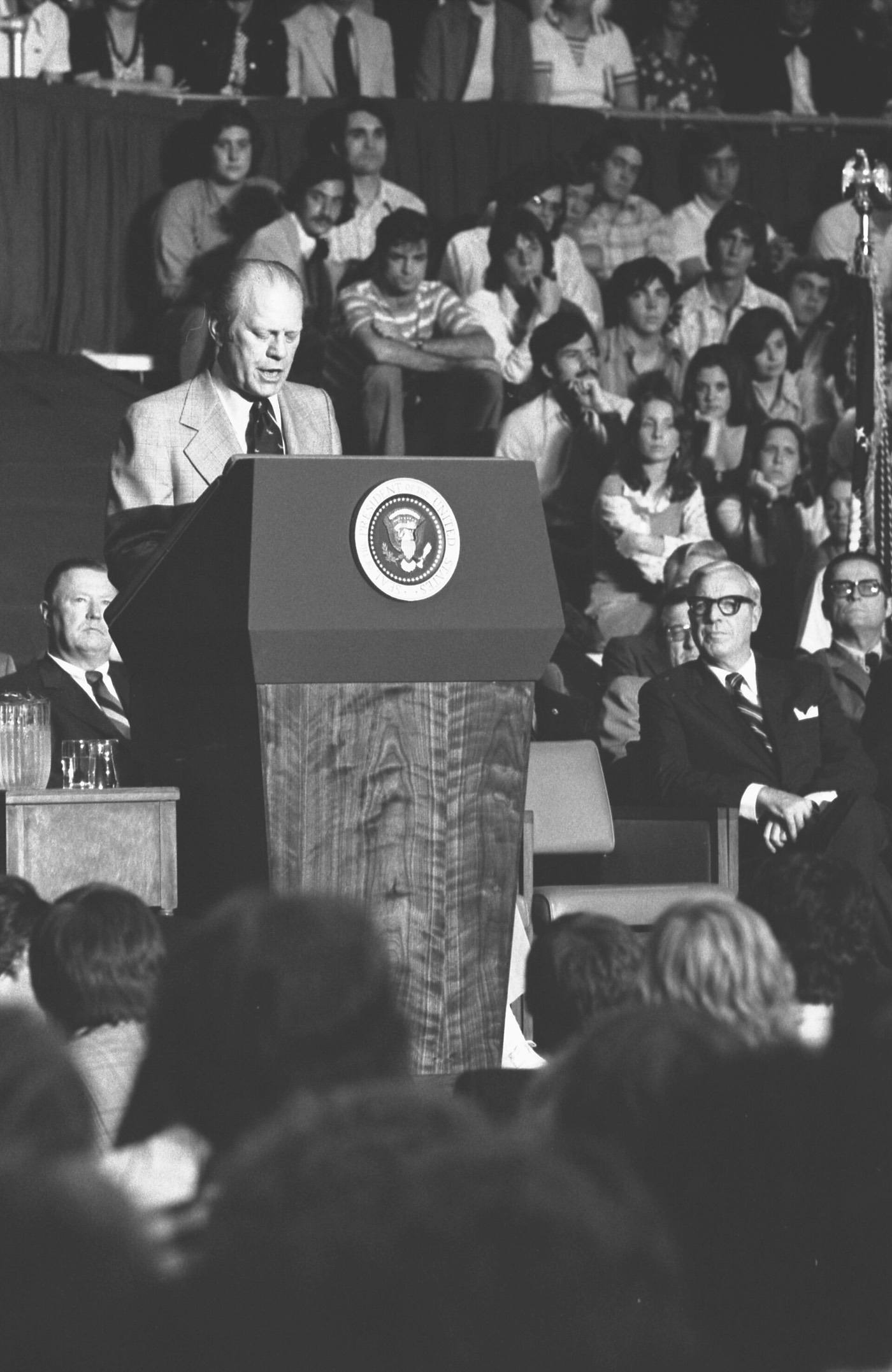
The Dynamics of Political Incentives
As we cast our gaze over the current political landscape in June 1979, it becomes increasingly clear that both sides of the aisle are driven by distinct yet overlapping incentives. On one hand, we have the left, which has long championed a range of progressive causes from social justice to environmentalism. On the other, the right has pursued a more traditional agenda focused on economic conservatism and a strong national defense. Yet, in the quest for power and influence, both factions seem to be sacrificing their core principles in favor of short-term gains.
For the left, the incentive to rally around activist movements is palpable. The recent surge in grassroots organizing reflects a desire to reclaim the narrative of progressivism amidst rising economic concerns and inflation rates. However, the challenge lies in maintaining authenticity while appealing to a broader electorate. The temptation to compromise on issues such as labor rights and environmental regulation in favor of immediate electoral success is a slippery slope that could undermine the very foundation of their agenda.

Conversely, the right is facing a different set of incentives, one that often leads to dogmatic rigidity. The call for fiscal conservatism and deregulation has been amplified by economic pressures, yet this has resulted in a reluctance to address social issues that resonate with a significant segment of the population. The hardline stance on immigration, for example, may rally the base but risks alienating moderate voters who seek comprehensive solutions rather than polarizing rhetoric.
"Both sides are playing a dangerous game, trading long-term vision for short-term political expediency."
The Role of Intelligence in Shaping Policies
Intelligence estimates play a crucial role in informing policy decisions, yet the interpretation of these estimates often reflects the biases of those in power. As the government weighs its options in foreign affairs, the need for balanced intelligence becomes paramount. The tendency for both sides to manipulate intelligence findings to fit their narratives can lead to miscalculated strategies that have far-reaching consequences.
For instance, while the left may emphasize social upheaval and the need for humanitarian aid in foreign nations, the right often highlights national security risks, framing their proposals as necessary for maintaining American supremacy. This tug-of-war over intelligence not only distorts the truth but also serves to deepen divisions within Congress. The resultant gridlock stifles progress and prevents the formation of a cohesive national strategy.
Public Discourse and Media Influence
The media landscape is also complicit in the perpetuation of these incentives. Sensationalism and partisanship dominate the headlines, making it all too easy for both left and right to retreat into their echo chambers. The mainstream media's failure to hold both sides accountable allows for the distortion of facts, fostering an environment where misinformation thrives.
As a result, the public often finds itself caught in the crossfire, struggling to discern the truth amidst a cacophony of conflicting narratives. This environment not only breeds cynicism but also undermines the democratic process, as citizens begin to disengage from critical political discourse. It is imperative that both sides recognize the need for a more responsible approach to media consumption and reporting, lest they exacerbate the divide that already threatens the fabric of our society.
Finding Common Ground
Despite the prevailing climate of division, there are opportunities for collaboration that could benefit both parties and the nation at large. Issues such as healthcare reform, educational access, and economic inequality are not inherently partisan; they demand a collective response that transcends ideological boundaries. By prioritizing dialogue and cooperation, lawmakers could begin to forge a path toward solutions that address the complexities of modern governance.
However, this requires both sides to relinquish their rigid adherence to dogma and embrace a willingness to compromise. The incentives for doing so are clear: a more unified electorate that is engaged, informed, and ready to participate in the democratic process. It is incumbent upon our leaders to rise above the fray and seek solutions that reflect the diverse needs of their constituents.
✦ ✦ ✦