From the file. Written for the paper dated May 1979. Opened in the public stacks July 14, 2026.
The complexities of the supply chain have become front-page news in the wake of rising inflation and fluctuating demand. Yet, amidst the discussions in boardrooms and on the news, there is a critical element that's often left out of the briefings.
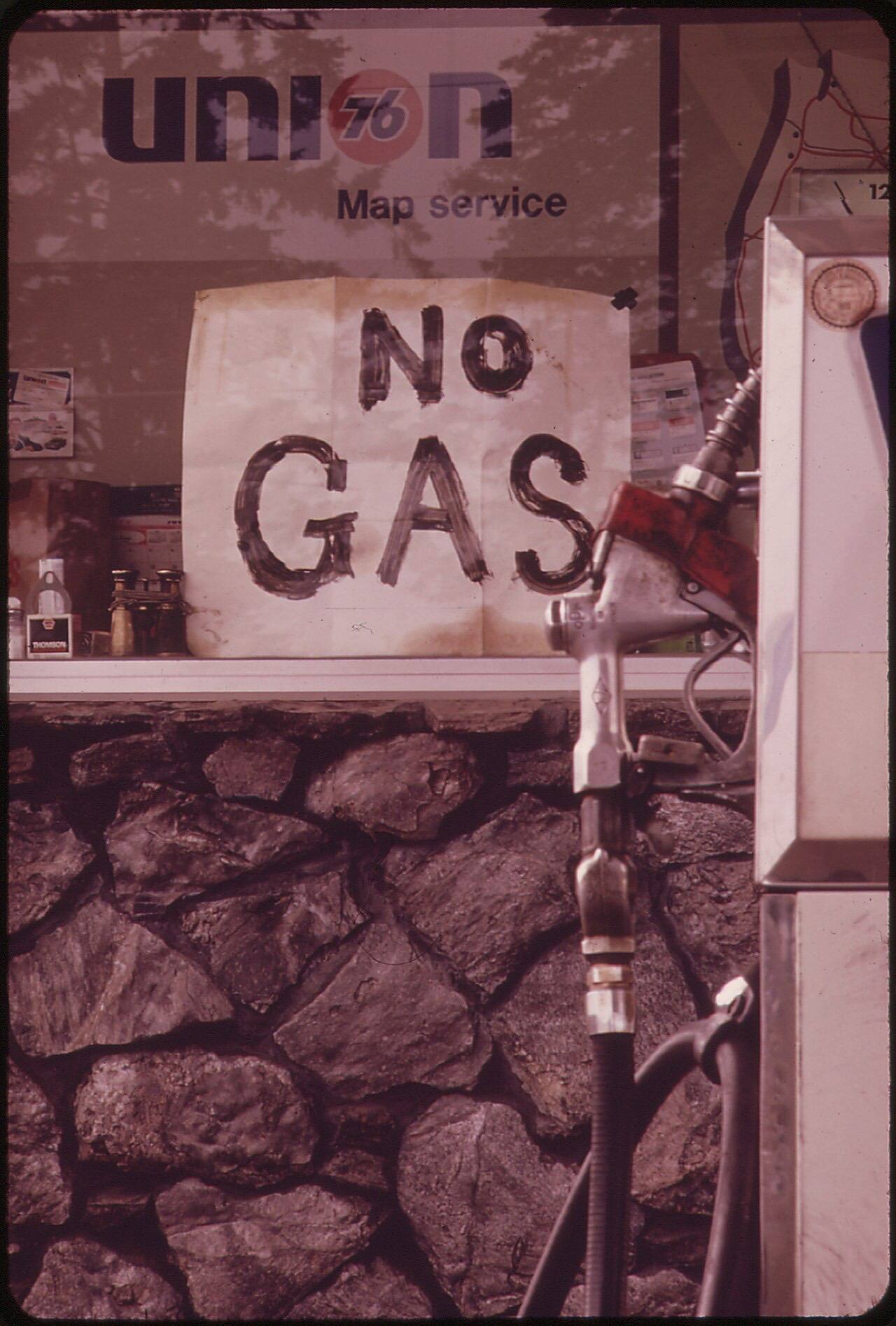
The Unseen Struggles of the Supply Chain
As the American economy continues to grapple with the aftershocks of the oil crisis and shifting consumer habits, the mechanics of our supply chain have come under scrutiny. From manufacturers to retailers, everyone seems to have a stake in the conversation. However, the narrative frequently misses the voices that matter most - the workers who form the backbone of this intricate web.
It is easy to get lost in the numbers and charts presented in corporate meetings, where executives tout new strategies aimed at efficiency and profitability. But what about the individuals who are actually moving products from point A to B? Their stories and experiences often go unheard, overshadowed by discussions of profit margins and corporate restructuring.

“If you want to understand supply chain issues, talk to those on the ground, not just the suits in the boardroom.”
A Corporate Focus on Numbers
Corporate executives are quick to focus on the bottom line, often prioritizing profit over people. In their quest for efficiency, they implement systems that may streamline operations but overlook the human cost associated with such changes. Workers are left to adapt to new technologies and processes with little consideration for their well-being.
The recent trend towards automation is a prime example. While it can reduce costs, it also threatens livelihoods. Workers in warehouses and factories face uncertainty as machines are introduced to take over tasks that were once performed by humans. This creates a precarious situation where the very foundation of our supply chain - its workforce - becomes marginalized.
The Left’s Vision of Labor Rights
On the other side of the spectrum, the left has been vocal about labor rights, demanding fair wages and better working conditions. However, their emphasis on unionization and protest often overlooks the fact that not all workers are unionized or even wish to be. The left's approach can sometimes alienate those who seek practical solutions rather than ideological battles.
While advocating for workers is crucial, it is equally important to recognize the diversity of the labor force. Many workers are not in traditional roles and may not align with the prevailing narratives of the labor movement. As a result, their concerns can be sidelined in favor of more prominent issues that resonate with unionized workers.
The Right’s Free Market Ideals
Conversely, the right champions free-market ideals, advocating for deregulation and minimal government intervention. While these principles can foster innovation and competition, they often fail to account for the social ramifications of such policies. The push for deregulation can lead to labor exploitation, as companies seek to cut costs at the expense of their employees.
Moreover, the right's focus on the so-called "invisible hand" of the market can seem dismissive of the real struggles faced by workers navigating an increasingly volatile economy. By prioritizing profit over people, they risk creating an environment where the workforce becomes expendable in the name of efficiency.
A Call for Balance
As we navigate the complexities of our supply chain, it is essential to find a balance between corporate interests and the needs of workers. Both sides of the political spectrum need to recognize that the health of our economy depends not just on profits, but also on the well-being of those who power it.
To foster a more sustainable supply chain, we must advocate for policies that support both innovation and labor rights. This means ensuring that workers receive fair wages, job security, and adequate training for new technologies. It also involves creating a dialogue between corporate leaders and labor advocates, where both sides listen and learn from one another.
The supply chain cannot thrive if the workers who sustain it are left behind. It is high time that we shift the focus away from mere numbers and acknowledge the human stories that lie at the heart of our economy. Only then can we hope to create a system that is equitable and prosperous for all.
✦ ✦ ✦