From the file. Written for the paper dated May 1979. Opened in the public stacks July 14, 2026.
As the solar storm looms overhead, it is not just the science of the event that deserves scrutiny, but also the narratives being spun around it.
Understanding Solar Storms
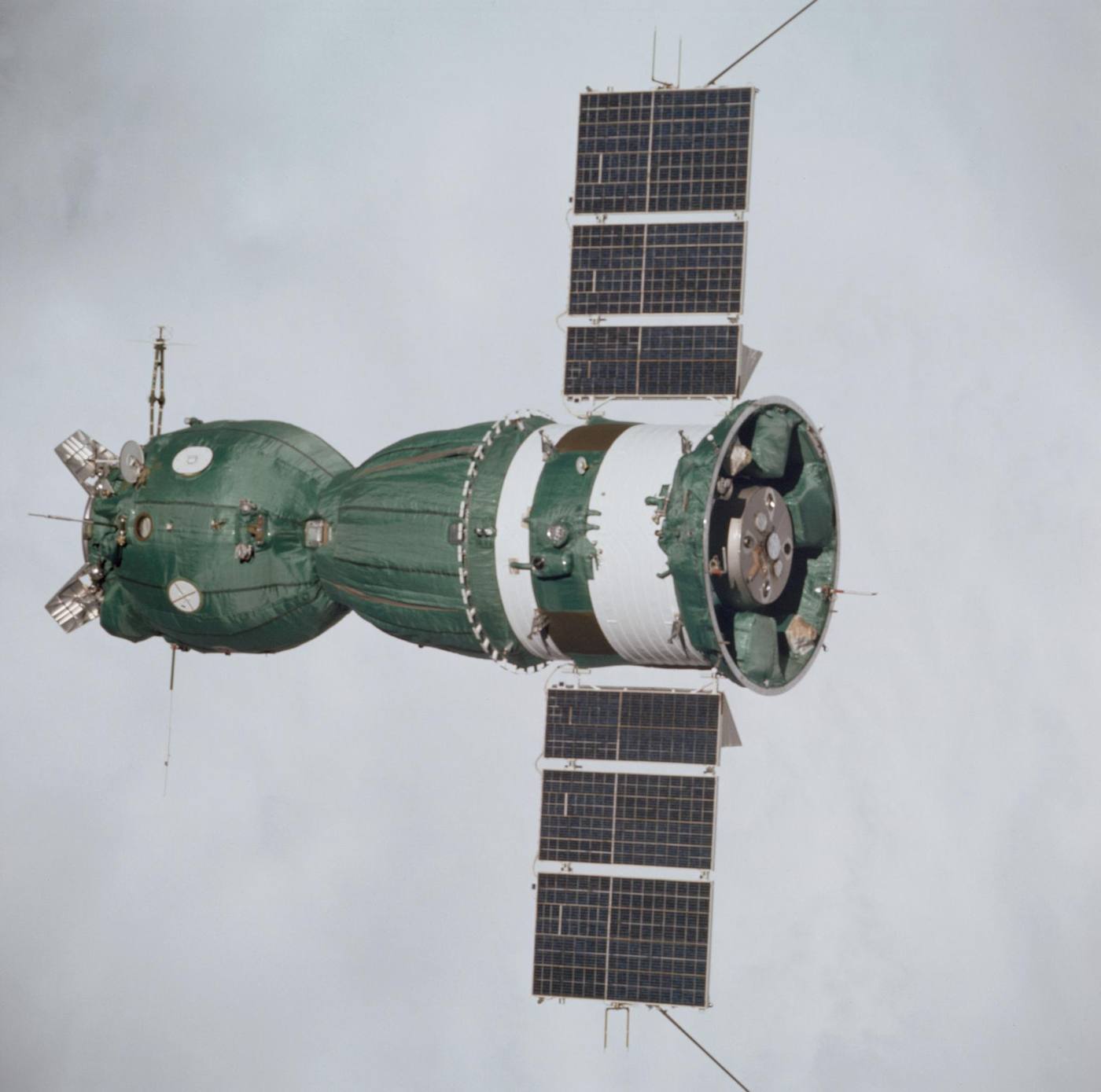
The recent uptick in solar activity has scientists buzzing with excitement and alarm. Solar storms, which are bursts of solar wind and magnetic fields rising from the solar corona, can have profound effects on Earth’s magnetosphere. These storms can disrupt communication systems, knock out satellites, and even cause power outages. Yet, in the midst of frantic reports detailing impending chaos, it is critical to discern what is often left out of the briefings.
Missing Context in Coverage
As news outlets report on the potential impact of solar storms, there is a glaring absence of context regarding the frequency and historical significance of these phenomena. The media often sensationalizes the immediate dangers without addressing the fact that solar storms are a natural and recurring aspect of our solar environment. They have been happening for eons, and while they can certainly wreak havoc, they are not the harbingers of doom that some headlines imply.
“The sensationalism surrounding solar storms detracts from the serious scientific discourse needed to understand their implications.”
Political Overtones
Furthermore, the discourse surrounding solar storms has become entangled with political agendas. On one end, environmentalists and left-leaning commentators may seize the moment to highlight the vulnerabilities of our technological infrastructure as a consequence of climate change. While it is true that increasing reliance on technology makes us susceptible to disruptions, framing solar storms solely as a byproduct of environmental neglect oversimplifies the issue. This narrative risks diverting attention from the need for a robust scientific understanding of solar phenomena.
On the other hand, right-leaning figures may downplay the risks associated with solar storms, emphasizing resilience and technological advancement. While it is commendable to promote optimism, neglecting the potential consequences of a severe solar storm could lead to a dangerous complacency. The reality is that our infrastructure is not invulnerable, and ignoring the risks does not make them disappear.
Technological Preparedness
In the scramble to respond to these solar storms, there is a pressing need for a balanced and informed approach to technological preparedness. Scientific advancements have certainly improved our capacity to predict solar activity, yet there remains a considerable gap in our readiness to mitigate the impacts of such storms. Critical systems like power grids and satellite communications need a comprehensive review and enhancement to withstand these cosmic events.
The Role of Scientists
As scientists race to understand the implications of these solar storms, they must also contend with public perception and media framing. Often, scientists find themselves in a position where their findings are co-opted by various factions seeking to further their own narratives. The science deserves to be conveyed accurately, free from the distortions of political agendas.
Moreover, scientists must engage with the public transparently, explaining the complexities of solar activity without resorting to alarmist language. They should foster a culture of scientific literacy that empowers individuals to grasp the implications of solar storms without falling prey to sensationalism.
Conclusion: A Call for Balanced Discourse
The current dialogue surrounding the impending solar storm presents an opportunity for a more nuanced discussion on the intersection of science, technology, and society. Both sides of the political spectrum have a responsibility to approach this issue with a balanced perspective, acknowledging both the risks and the realities of solar storms without resorting to hyperbole or denial.
As we observe the skies and anticipate the effects of solar storms, let us strive for a discourse that prioritizes scientific understanding over sensationalism and political posturing. Only then can we adequately prepare for the challenges posed by these celestial events and safeguard our technological future.
✦ ✦ ✦