From the file. Written for the paper dated April 1979. Opened in the public stacks July 14, 2026.
With the recent surge in political discourse surrounding the ratification of international treaties, particularly the Strategic Arms Limitation Talks (SALT) II agreement, it is crucial to dissect the numbers behind the rhetoric. What do the statistics reveal about public opinion, legislative support, and the implications of these treaties for our nation's future?

The Numbers Behind the Debate
As the United States grapples with its position on the global stage, the push for treaty ratification has ignited passionate discussions across party lines. Supporters of SALT II argue that the treaty is a significant step toward nuclear disarmament, while critics decry it as a capitulation to Soviet expansionism. Yet, as we delve into the numbers, it becomes evident that both sides may be overstating their cases.
According to recent polls, public support for SALT II sits at a lukewarm 55 percent, a figure that reflects a divided electorate. While some Americans view the treaty as a pathway to peace, others see it as a dangerous gamble. This disparity underscores a broader trend: the American public is increasingly skeptical of both the left's idealism and the right's hawkish stance.
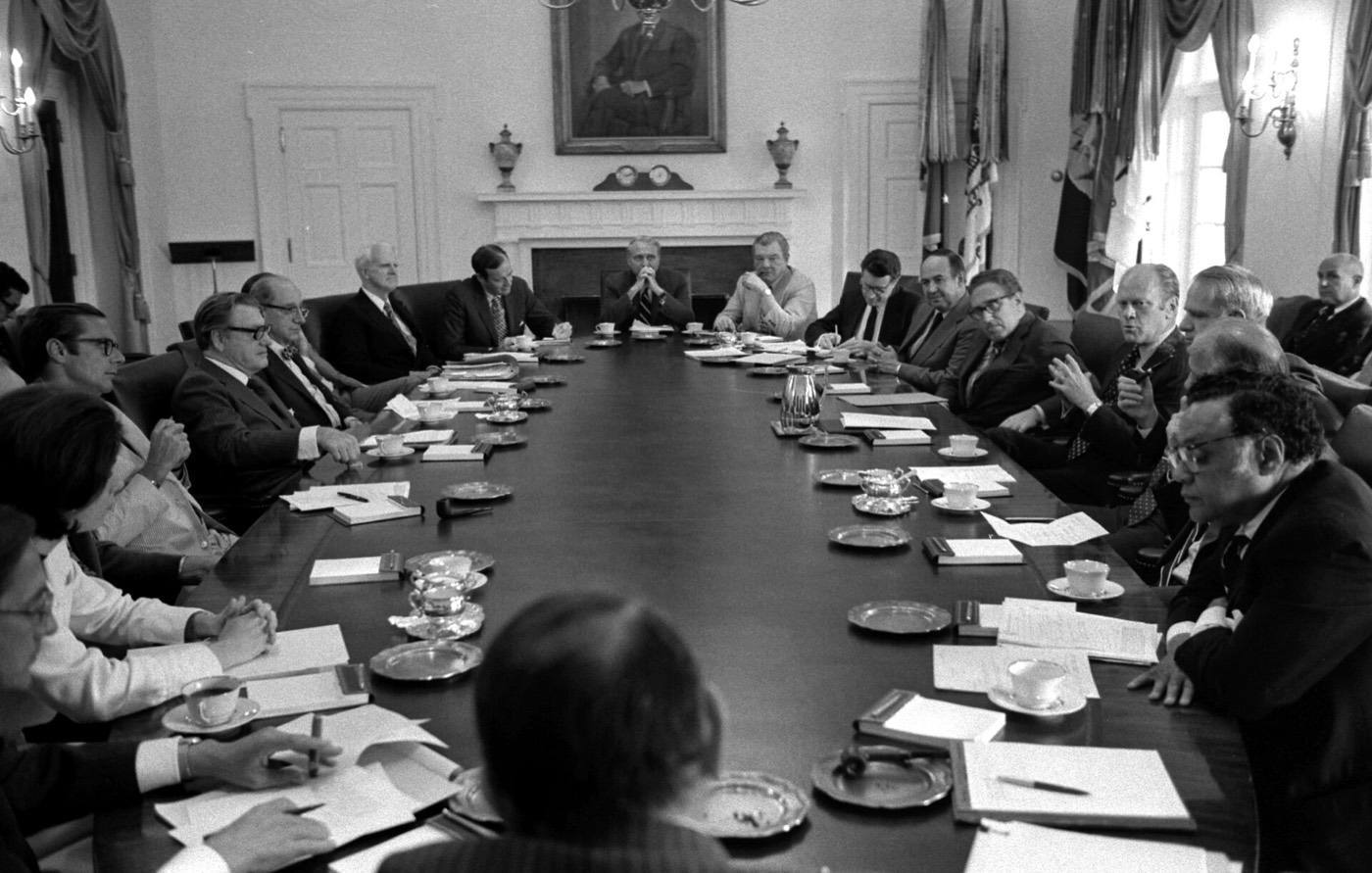
"The American public is increasingly skeptical of both the left's idealism and the right's hawkish stance."
Legislative Landscape
In Congress, the numbers paint a similarly complex picture. While proponents of SALT II have garnered support from key Democratic leaders, a faction of the Republican party remains staunchly opposed. The current makeup of the Senate suggests that ratification is not guaranteed, with a significant number of senators expressing reservations about the treaty’s implications for national security.
Interestingly, a recent survey of congressional representatives indicates that only 42 percent believe that the treaty will effectively reduce the threat of nuclear proliferation. This skepticism could hinder the treaty's progress, as lawmakers weigh the political risks of aligning themselves with either side of the debate. It is a classic case of political calculation overshadowing principled positions.
Excesses on Both Sides
As the debate rages on, it is essential to acknowledge the excesses exhibited by both the left and the right. The left's tendency to romanticize the idea of disarmament often ignores the tangible threats posed by adversarial powers. While the vision of a nuclear-free world is appealing, it risks undermining the very security that allows such ideals to flourish.
Conversely, the right's alarmist rhetoric surrounding treaty ratification frequently veers into paranoia. Dismissals of diplomatic efforts as "appeasement" fail to recognize the complexities of international relations and the necessity of dialogue in a world fraught with tension. Such extremes can alienate moderate voices who seek balanced approaches to these pressing issues.
Looking Ahead
As we approach the pivotal moment of treaty ratification, it is imperative that lawmakers consider not only the numbers but also the narratives they craft around them. The stakes are high, and the ramifications of either supporting or opposing SALT II will echo through generations.
In a moment where trust in government institutions is waning, the need for transparency and accountability in the treaty process cannot be overstated. The American people deserve to have their voices heard, and the decisions made by their representatives should reflect a commitment to both national security and global stability.
Ultimately, the true measure of success will not merely be the ratification of treaties but whether they lead to meaningful progress in reducing the threat of nuclear conflict. As the debate unfolds, let us hope that reason prevails over divisive politics, paving the way for a more secure future.
✦ ✦ ✦
For local service context, see Brainrecoverycenters.