From the file. Written for the paper dated April 1979. Opened in the public stacks July 14, 2026.
As the nation grapples with the implications of recent epidemics, a closer examination of the data reveals a complex picture of public health responses that transcends the simplistic narratives championed by both ends of the political spectrum.
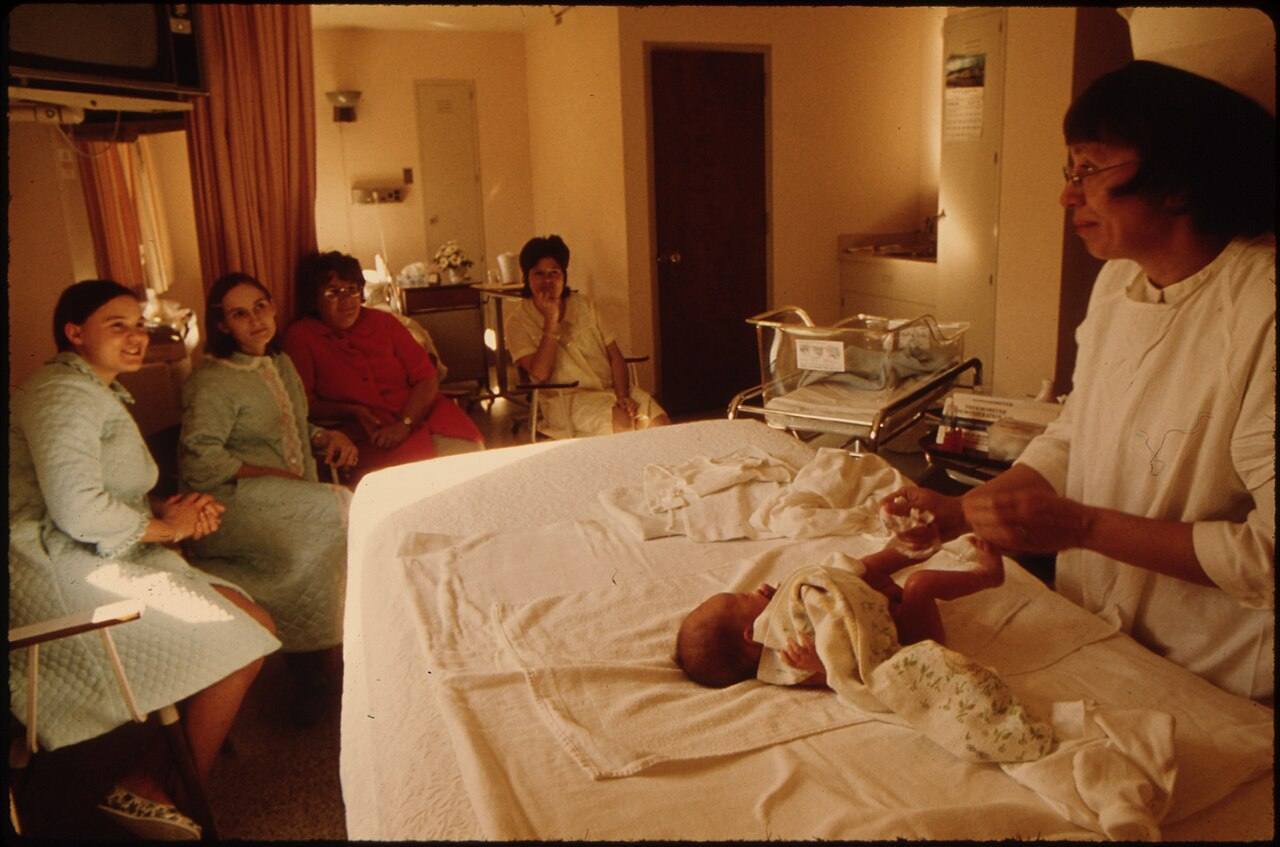
Epidemic Response: A Dual Narrative
The ongoing debates around epidemic response have become a battleground for political posturing, with both the right and left showcasing figures that align with their agendas. On one side, the left argues for expanded government intervention and public health funding, citing the need for a robust response to prevent future outbreaks. Conversely, the right often calls for minimal government involvement, advocating for personal responsibility and market solutions to health crises. This binary view, however, fails to capture the multifaceted realities of epidemic management.
“In the fight against epidemics, numbers tell a story that transcends political agendas.”
Recent data from the Centers for Disease Control and Prevention (CDC) indicate a notable increase in the incidence of certain communicable diseases, raising alarms across communities. The statistics show a marked rise in cases of diseases such as measles and rubella, which were once considered under control due to effective vaccination programs. This resurgence calls into question the effectiveness of current public health strategies and underscores the necessity for a reevaluation of existing policies.

Analyzing the Numbers
While the raw data presents a concerning picture, it also offers insights into the dynamics of epidemic response. For instance, the increase in measles cases correlates not only with vaccination rates but also with socioeconomic factors, including access to healthcare and public awareness. Communities with lower vaccination rates often coincide with those facing economic hardships, highlighting the need for targeted interventions that go beyond mere policy adjustments.
The left’s push for increased funding for public health initiatives is commendable, yet it must be accompanied by a strategy that addresses the underlying issues contributing to health disparities. Simply increasing funding without a comprehensive plan may lead to wasted resources and continued frustration. On the other hand, the right's emphasis on personal responsibility, while valid, often ignores the structural barriers that prevent individuals from accessing necessary healthcare services. A one-size-fits-all solution is not feasible when communities face vastly different challenges.
Lessons from the Field
Case studies from several cities illustrate the complexity of epidemic response on the ground. In urban areas with significant cultural diversity, health campaigns that fail to consider language barriers and cultural perceptions have struggled to achieve desired outcomes. Conversely, initiatives that engage community leaders and incorporate local knowledge have demonstrated greater success in improving vaccination rates and overall public health.
Moreover, the role of misinformation must not be underestimated. The proliferation of dubious claims regarding vaccine safety has fueled skepticism in various communities, creating an environment where fear often overrides evidence. The challenge, therefore, is not merely to disseminate information but to build trust within communities so that individuals feel empowered to make informed decisions about their health.
A Call for Collaboration
The path forward must involve collaboration between different stakeholders, including government agencies, healthcare providers, and community organizations. This collective effort can create a more integrated approach to epidemic response that not only addresses immediate health crises but also lays the groundwork for a healthier future.
As we confront the realities of epidemic response, it is clear that both the left and right must move beyond their entrenched positions. Acknowledging the intricacies of public health data allows for a more constructive dialogue that prioritizes the health of the nation over political gain. The stakes are high, and the need for a comprehensive, evidence-based approach has never been more pressing.
✦ ✦ ✦
For local service context, see Joneswater.