From the file. Written for the paper dated March 1979. Opened in the public stacks July 14, 2026.
As the American public's gaze turns skyward in anticipation of the next chapter in space exploration, a wave of certainty washes over the discourse surrounding space launches. With an impending mission that promises to push the boundaries of human achievement, it is imperative to examine why this confidence is not just a fleeting sentiment but a burgeoning market force.
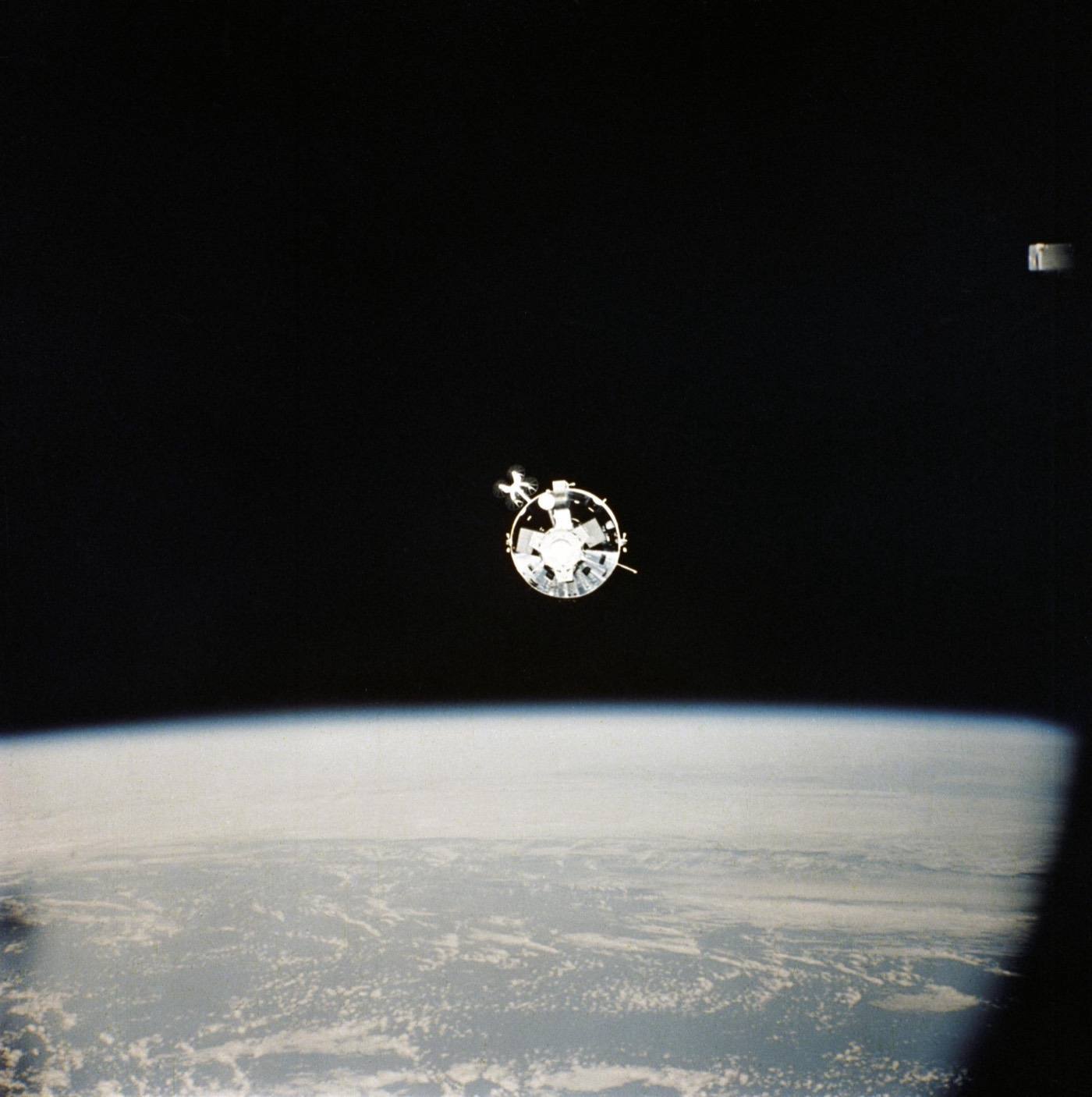
The Space Race Reimagined
The fervor surrounding space exploration has roots in the earlier phases of the space race, ignited by the launch of Sputnik in 1957. Today, however, we find ourselves in a different kind of race - one that is as much about technological prowess as it is about the burgeoning commercial interests driving these missions. As various private enterprises and governmental agencies gear up for the next launch, confidence is soaring, but not without its critiques.
In recent years, NASA has made significant strides in technology, developing reliable rockets and spacecraft that are more advanced than their predecessors. The Saturn V rocket, which took astronauts to the Moon, is now being overshadowed by the Space Shuttle, designed for repeated missions. This shift signifies a new era; however, the certainty that surrounds these advancements prompts a critical examination of both the excitement and the potential pitfalls that accompany it.
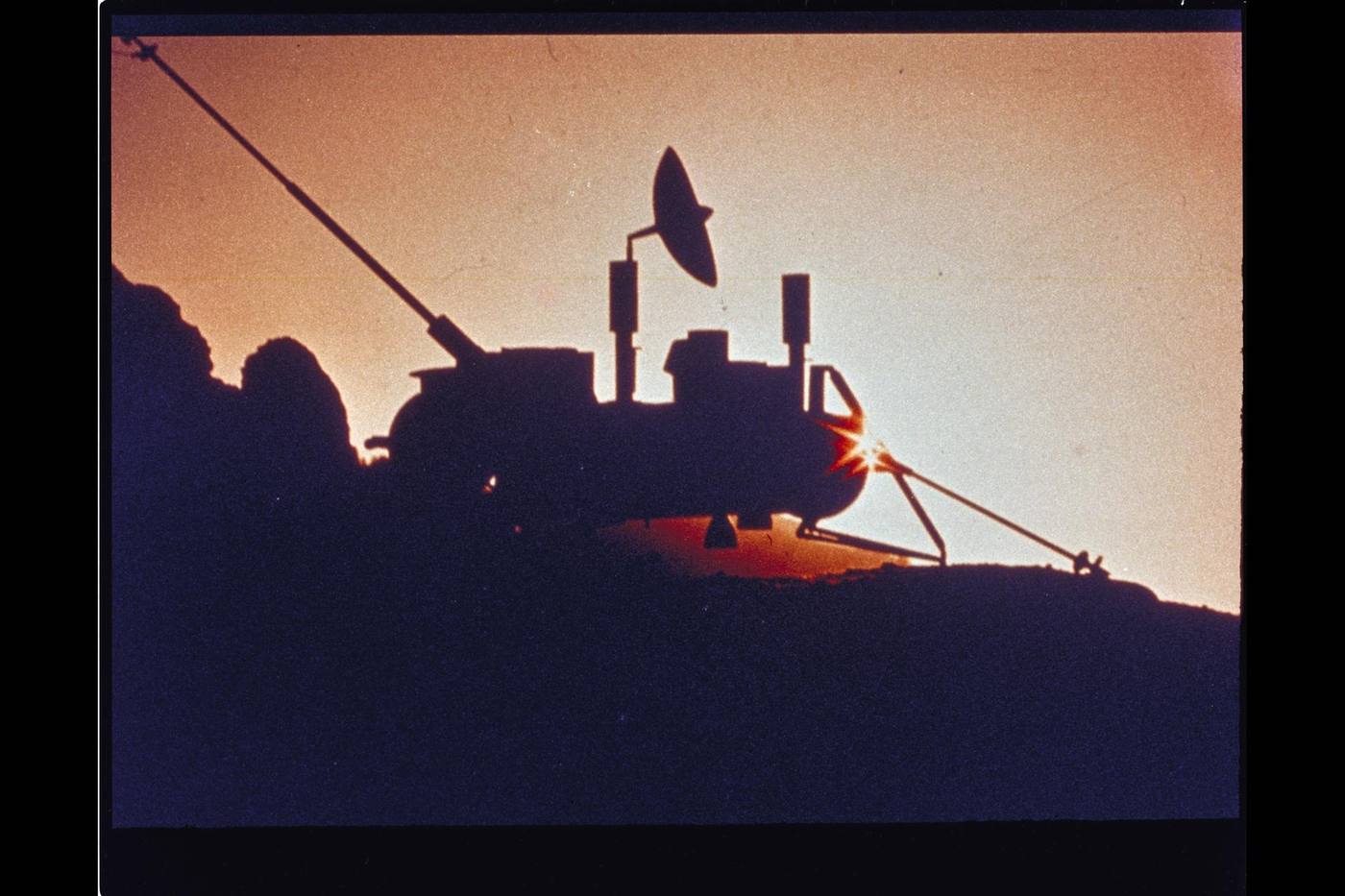
The Certainty Market
Certainty, in this context, has become a commodity. Politicians, scientists, and business leaders alike are capitalizing on the public's desire for assurance concerning the safety and success of space missions. This confidence is not unfounded, as the technological accomplishments of recent years reveal a trajectory of success. Yet, the fervent embrace of certainty raises questions about accountability and transparency.
“What we need is a cautious optimism, not blind faith in technology.”
In an era where the stakes are higher than ever, a culture of certainty can obscure the very real challenges that remain. The desire for progress is palpable, but it is essential to maintain a level of skepticism. The promise of space exploration should not overshadow the need for rigorous testing and evaluation of new technologies. As we project our hopes into the cosmos, we must also be prepared for the inevitable setbacks that accompany any ambitious endeavor.
Critique from the Left and Right
The discourse surrounding space exploration has become increasingly polarized. On the left, critics argue that the focus on certainty detracts from pressing social issues here on Earth. They contend that the billions spent on space missions could be better allocated to address poverty, education, and healthcare. This sentiment is not without merit; it speaks to a growing discontent with the priorities of government spending. The left's wariness about the allocation of resources underscores a fundamental question: at what cost does our quest for knowledge come?
Conversely, the right celebrates the advancements in space technology as a testament to American ingenuity and exceptionalism. However, this exuberance often glosses over the potential ethical implications of our ventures into space. The unchecked enthusiasm for launching missions may lead to a neglect of international treaties and agreements that govern space exploration. The right’s rallying cry for national pride must be tempered by a commitment to responsible stewardship of space.
Public Perception and Responsibility
The public’s perception of space launches is shaped by a complex interplay of excitement and apprehension. While many eagerly await the next great leap for mankind, there is also a palpable anxiety regarding the implications of these missions. The media’s portrayal of space exploration often leans toward dramatization, emphasizing the triumphs while downplaying the risks involved. This can create an unrealistic expectation of success without acknowledging the potential for failure.
In this environment, it is vital for scientists and policymakers to engage in transparent communication with the public. Fostering an informed citizenry requires a candid discussion of the challenges that lie ahead, as well as the potential consequences of our ventures into the cosmos. The responsibility does not rest solely on the shoulders of scientists; it is a shared obligation among all stakeholders involved in space exploration.
Conclusion: A Call for Balanced Perspective
As we prepare for the next space launch, the allure of certainty should not cloud our judgment. It is a time for cautious optimism rather than blind faith. The excitement surrounding our ventures into the cosmos must be balanced with a keen awareness of the responsibilities that accompany such pursuits. The dialogue surrounding space exploration should encompass diverse perspectives, acknowledging both the triumphs and the challenges that define this endeavor.
✦ ✦ ✦