From the file. Written for the paper dated January 1979. Opened in the public stacks July 14, 2026.
In the realm of space exploration, where the stakes are immeasurable and the costs astronomical, one would expect that oversight would be paramount. Yet, as we witness a recent series of space launches, it appears that the very systems designed to ensure safety and success are being overshadowed by a troubling lack of accountability.
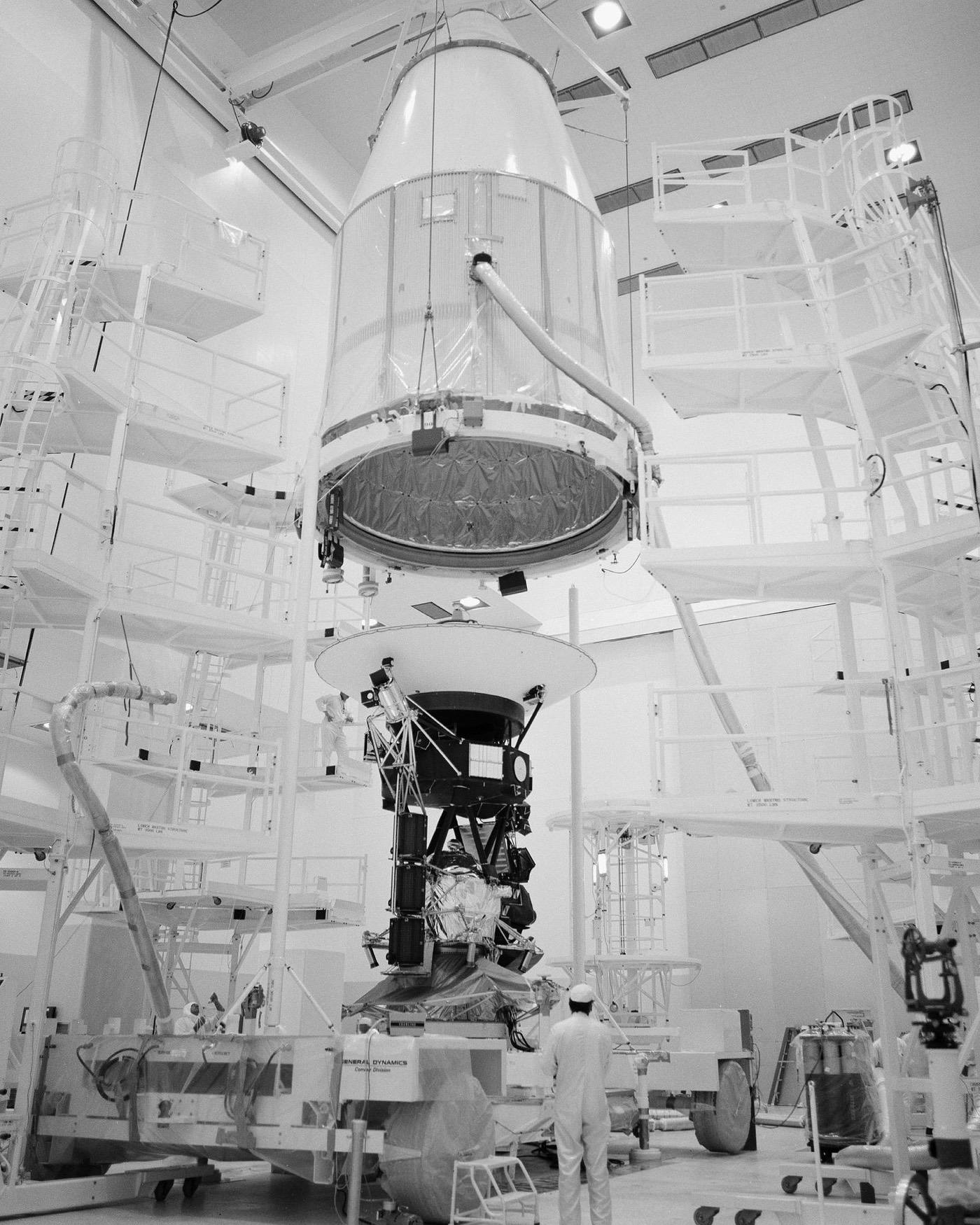
The Promise of the Final Frontier
Space has always captivated the human imagination, serving as a frontier ripe for exploration and discovery. The United States has made significant strides in this arena, propelled by the ambitious vision of NASA and the support of private enterprises. However, the excitement surrounding these launches has not overshadowed the critical need for meticulous oversight.
Take, for example, the recent launch of a satellite designed to enhance communication capabilities. While the mission was heralded as a technological triumph, the failure to address several engineering concerns raised by team members has sparked serious questions about the decision-making processes at play. With engineers and scientists sounding alarms, it is a disheartening realization that the voices of caution may be drowned out by the fervor of ambition.

The Cost of Oversight
In the rush to achieve milestones and maintain a competitive edge, oversight appears to have taken a backseat. This culture of haste is a double-edged sword, as it not only jeopardizes the success of individual missions but also places lives at risk. The Apollo program's legacy of thorough checks and balances is at risk of being overshadowed by a trend toward rapid launches at any cost.
"In the race to the stars, we must not forget the importance of our feet on Earth." - A concerned engineer
This sentiment resonates with many within the scientific community who are troubled by the apparent prioritization of speed over safety. The recent launch failures serve as stark reminders that the human element in engineering and decision-making cannot be underestimated. The pressures of public expectation and political agendas often cloud judgment, leading to decisions that, in retrospect, may prove catastrophic.
A Call for Accountability
The current state of affairs begs for a renewed commitment to accountability within agencies and organizations involved in space exploration. It is not enough to simply aim for the stars; we must also ensure that the systems and protocols that govern our ventures into space are rigorously adhered to. This is not merely a question of efficiency but a matter of ethical responsibility.
Critics from both sides of the political spectrum have pointed fingers at one another, each blaming the other for the failures that have occurred. Yet, this divisive finger-pointing serves only to distract from the pressing issue at hand: the need for cohesive oversight that transcends political agendas. It is essential that the leadership within these organizations foster an environment where engineers and scientists feel empowered to voice concerns without fear of retribution.
The Extremes of Ideology
As we navigate these turbulent waters, we find ourselves at a crossroads. On one hand, the fervent push for progress from the left, often driven by idealism and a belief in technology as a panacea, can lead to reckless decisions devoid of caution. On the other hand, the right's insistence on reducing governmental oversight in favor of privatization can inadvertently create an environment ripe for neglect.
Both extremes risk undermining the very foundation of our space program. The left must temper its enthusiasm with a realistic understanding of the complexities involved in space exploration, while the right must recognize that accountability is not an impediment to progress, but rather a crucial component of it. Only through collaboration and a balanced approach can we hope to maintain the integrity of our endeavors.
A Unified Front for the Future
It is time for a unified front that prioritizes safety, ethics, and accountability in space exploration. The success of our missions should not be measured solely by the number of launches or the speed with which they are executed, but by the integrity of the processes that support them. This is a call to action for policymakers and leaders within the scientific community to reinstate the principles that once guided our exploration of the cosmos.
As we look forward to future missions that will undoubtedly push the boundaries of our understanding, it is imperative that we learn from the missteps of the past. The excitement of space exploration should not come at the expense of safety and accountability. In the race to the stars, we must ensure that we do not lose sight of the very principles that make such endeavors worthwhile.
✦ ✦ ✦