From the file. Written for the paper dated December 1978. Opened in the public stacks July 14, 2026.
As the smoke from recent military engagements begins to clear, America finds itself embroiled in a debate over the nation’s war powers. The discussions, however, often miss critical elements that deserve our attention as citizens and lawmakers.

The Shifting Landscape of War Powers
The conversation around war powers has taken center stage in recent months, especially following America’s involvement in conflicts abroad. While both Congress and the White House engage in a tug-of-war over authority, the complexities of the situation reveal a deeper malaise in our democratic processes. The War Powers Resolution of 1973 aimed to reassert Congressional authority over military engagements, yet its effectiveness is now in question.
“The real debate is not just about who holds the power, but how that power is exercised and the implications for our constitutional rights.”
On one hand, the executive branch insists on its prerogative to act swiftly in the interest of national security. Critics argue that this leads to an erosion of civil liberties and oversight. They raise alarms about the unchecked power that could enable not just necessary military actions but also questionable interventions that lack clear justification.
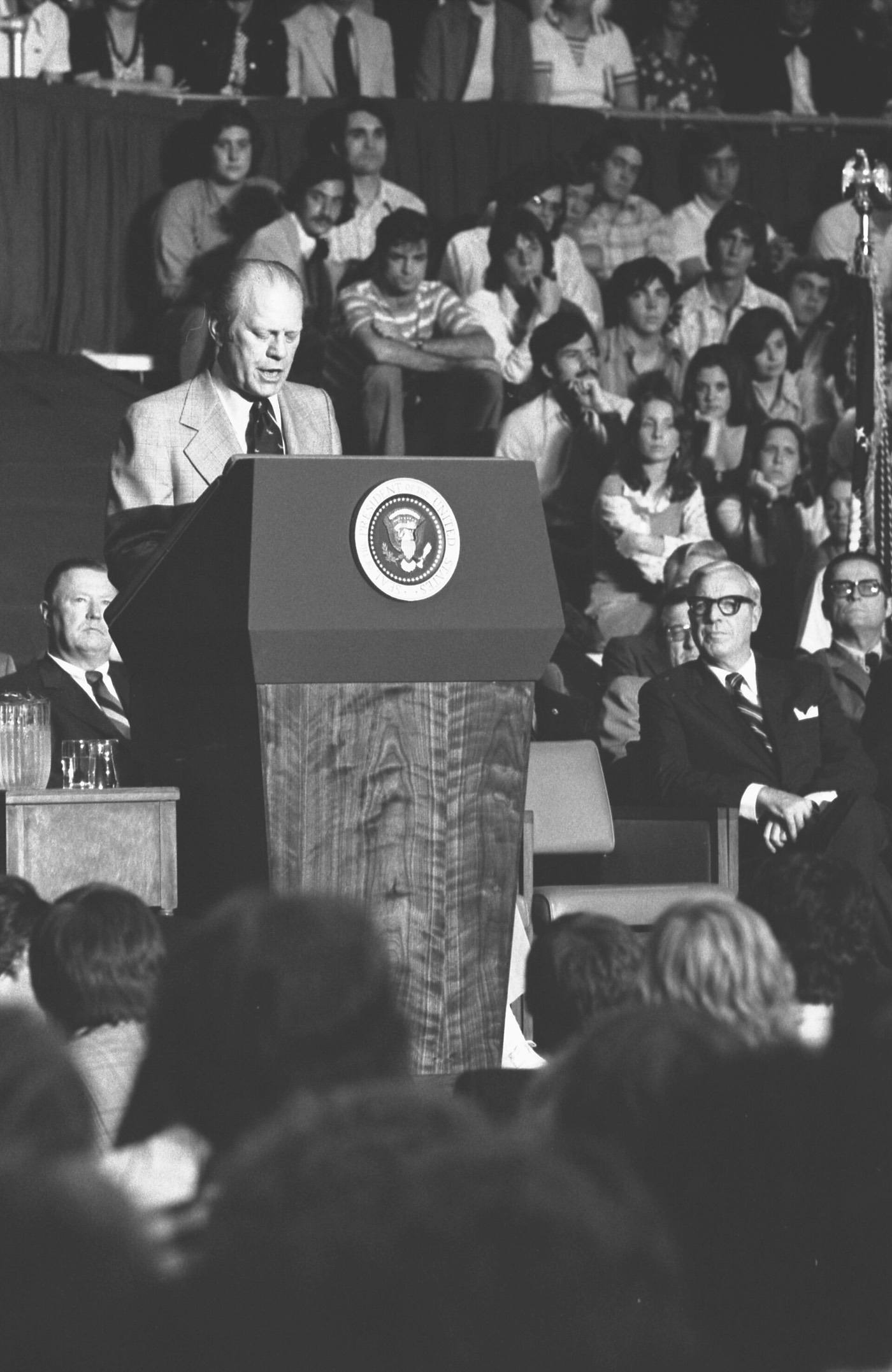
On the other hand, Congressional leaders often exhibit a hesitance to assert their authority, fearing the backlash of being labeled unpatriotic or weak on defense. This fear stifles genuine discourse and leads to a cycle where neither branch exercises its powers to their full extent. Instead, what we see is a fragmented approach to national security that only serves to confuse and frustrate the American public.
The Cost of Oversight
In the rush to respond to international crises, essential details are often overlooked. The debate surrounding war powers should not just focus on who can declare war, but also on the consequences of military action on the civilian population both at home and abroad. The economic implications of prolonged military engagements are rarely discussed in the same breath as troop movements or tactical victories.
Moreover, the American public is left to grapple with the fallout of these decisions. Families of service members face uncertainty and sacrifice, while those in conflict zones endure untold hardships. The voices of those affected must be incorporated into this debate. We cannot allow the conversation to be dominated solely by political posturing and partisan maneuvering.
The Role of the Media
The media plays an indispensable role in shaping public perception around military actions. However, the current reporting often sensationalizes the conflict without providing deeper context. The focus on immediate responses and political drama detracts from the underlying issues, such as human rights violations and the long-term repercussions of military interventions.
“To truly inform the public, the media must dig deeper than the headlines and explore the complexities of each situation.”
In an age where information flows rapidly, it is critical for journalists to exercise due diligence, ensuring coverage is not only timely but also comprehensive. The public deserves to understand not just what is happening, but why it matters. A disservice is done when coverage fails to connect the dots between political decisions and their real-world impacts.
Finding Common Ground
As we navigate this contentious landscape, it is essential for both sides of the aisle to engage in genuine dialogue rather than resorting to rhetoric that favors one ideology over another. The far-left's calls for complete military withdrawal can seem impractical in the face of geopolitical realities, while the far-right's insistence on military might without accountability risks repeating the mistakes of the past.
Moderation is key. A balanced approach that considers the nuances of each situation, the costs involved, and the voices of the affected can lead to better policy-making. It is imperative that lawmakers prioritize the interests of the American people over partisan gains. Our democracy relies on cooperation, not division.
In conclusion, as the debate over war powers continues, let us not forget the voices that often go unheard. It is our responsibility as citizens to demand accountability and transparency from our leaders. The stakes are too high for us to accept half-measures or superficial discussions. We must engage deeply with the complexities of governance and encourage our lawmakers to do the same.
✦ ✦ ✦