From the file. Written for the paper dated December 1978. Opened in the public stacks July 14, 2026.
As Congress grapples with the implications of the War Powers Act, a troubling narrative emerges: the voices of dissent and the complex layers of the war powers debate are often drowned out by headlines and political posturing.
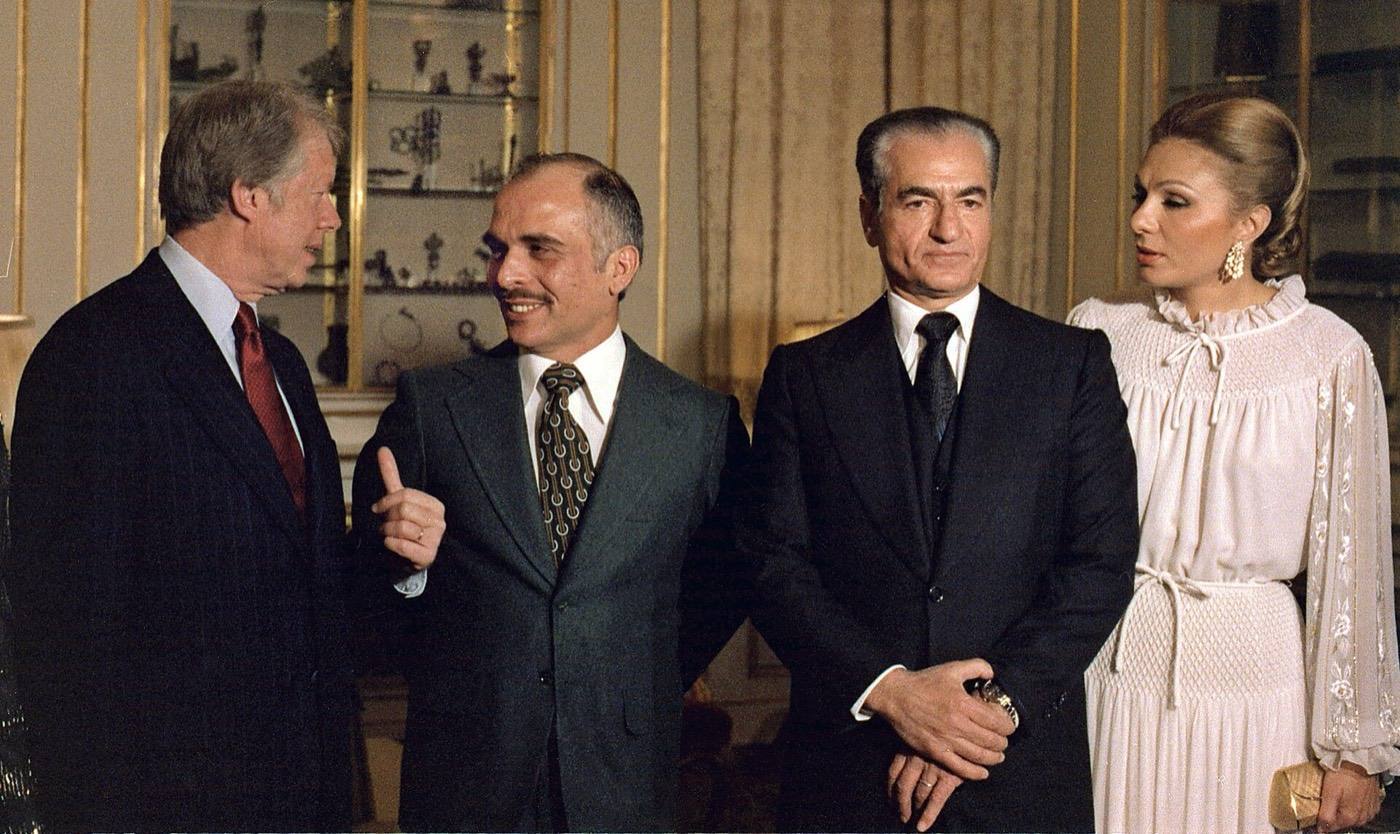
The Legislative Tug of War
In recent months, the War Powers Act has become a focal point of contention between those who advocate for a more assertive executive role in military engagements and those who argue for a return to Congressional oversight. The Act, which aims to limit the President’s ability to engage in hostilities without Congressional consent, has sparked discussions that reveal the underlying tensions within American governance. However, as this debate unfolds, it is crucial to recognize what often gets left out of the briefings.
The Voices Silenced
In the rush of political discourse, the voices of those most affected by military decisions - the soldiers, their families, and civilian populations in conflict zones - are often overshadowed. While politicians debate the legality of military actions, the human cost of these decisions rarely makes it into the headlines. Veterans returning from duty bear witness to the psychological scars of combat, yet their stories are often relegated to the background in favor of partisan rhetoric.

“The debate should be about more than just power; it should be about people.”
This is not to say that the concerns of elected officials are unimportant; rather, it is a call to broaden the scope of the conversation. As Congress members engage in spirited discussions, they must not lose sight of the tangible realities faced by those on the ground. The military-industrial complex flourishes in an environment where the human consequences of military actions are ignored.
Partisan Politics at Play
On one hand, the left critiques the administration for perceived overreach and lack of transparency, calling for stricter adherence to the War Powers Act. On the other, the right often defends executive action, citing national security as a justification for unilateral military decisions. Both sides, however, risk falling into the trap of oversimplifying a complex issue.
Critics on the left argue that the absence of Congressional approval for military actions undermines democratic principles. Yet, their calls for accountability can sometimes overlook the nuances of foreign policy, suggesting a purely adversarial stance that may not serve the nation’s best interests. Meanwhile, the right’s unwavering support for executive power can lead to a dangerous precedent, where the checks and balances intended by the founders are eroded in the name of expediency.
“In this game of political chess, the American public is often left as collateral damage.”
This polarization leaves little room for constructive dialogue. Instead of seeking common ground, both sides appear more interested in scoring political points than in addressing the broader implications of military engagement. The result is a fragmented discourse that fails to adequately consider the diverse perspectives that should inform decisions of war and peace.
The Need for a Nuanced Debate
As we approach the new year, the nation stands at a crossroads. The War Powers Act presents an opportunity for lawmakers to rethink their approach to military authority. A more nuanced debate could pave the way for a reimagined relationship between the executive and legislative branches - a relationship that honors both the need for decisive action in times of crisis and the importance of democratic oversight.
Such a debate must include the perspectives of those who are most affected by war. Engaging veterans, military families, and civilians from conflict regions can lead to a more informed and compassionate dialogue. The stories of those who serve and suffer should be elevated, ensuring that the human cost of military policy is never forgotten amidst political maneuvering.
✦ ✦ ✦