From the file. Written for the paper dated December 1978. Opened in the public stacks July 14, 2026.
As the dust settles from the recent union elections, the headlines that once roared with fervor now dissipate into the background noise of political rhetoric. The implications of these elections, however, warrant a deeper examination that often gets overlooked.

The Dynamics of Union Elections
Union elections are typically presented as a straightforward battle between labor and management, a clear-cut struggle for workers' rights. Yet, beneath the surface, the complexities of these elections reveal a tangled web of interests and ideologies that are seldom discussed in the briefings. While unions are championed for advocating for workers, it is essential to recognize that they are not always monolithic in their views or actions. Different factions within unions often have diverging priorities, which can complicate the decision-making process and lead to internal strife.
On one hand, we see unions pushing for better wages and benefits, which is undoubtedly a noble objective. However, there are instances where the push for higher wages can lead to unintended consequences, such as increased costs for employers that may ultimately result in job losses or reduced hiring. The left often positions itself as the guardian of worker rights, but the reality is that a rigid adherence to demands can sometimes backfire, hurting the very workers they aim to protect.
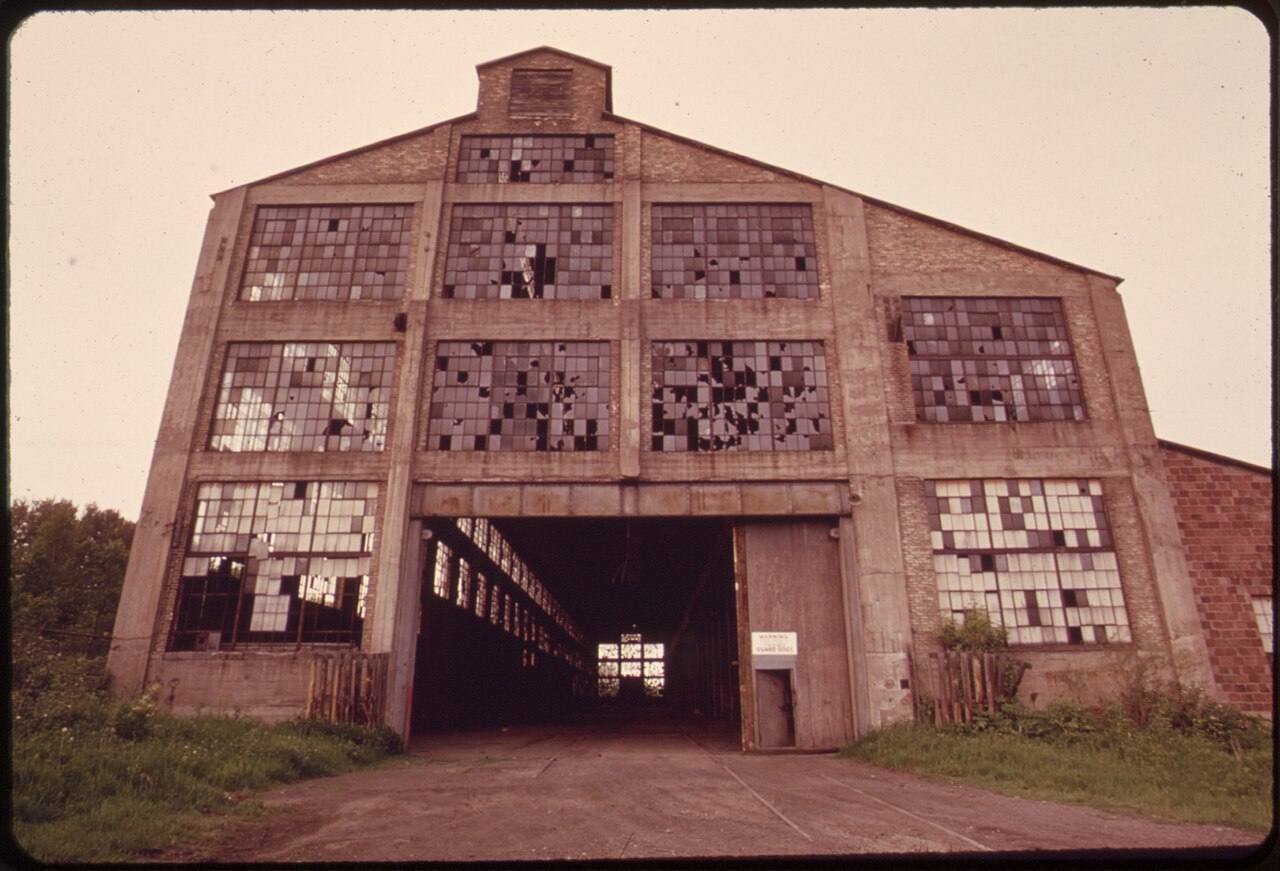
"The headlines may fade, but the implications of these elections are far-reaching and complex."
Management's Response
On the flip side of the coin, corporate management often paints unions as obstacles to progress and efficiency. This perspective can lead to a narrative that demonizes unions, positioning them as out of touch with the realities of business. Yet, while it is true that some unions may resist necessary changes, management’s reaction can sometimes veer into excess, portraying all unions as inherently detrimental to the workplace. This binary perspective undermines the potential for collaboration and mutual benefit.
In this polarized atmosphere, the middle ground where constructive dialogue can occur is increasingly rare. Instead of engaging in meaningful discussions, both sides often retreat to their respective corners, fueled by a media narrative that favors sensationalism over subtlety. The result is a public discourse that simplifies complex issues into sound bites, leaving little room for the nuances that characterize real-world labor relations.
Voices from the Ground
Furthermore, the voices of rank-and-file workers frequently go unheard in the aftermath of union elections. While union leaders may tout victories in their campaigns, the everyday experiences and opinions of workers are often sidelined. Workers’ perspectives can provide valuable insights into the effectiveness of union strategies and their real-world impact on job satisfaction and workplace conditions.
Political Implications
The political ramifications of union elections extend beyond the immediate outcomes. Politicians frequently seize upon these events to bolster their own agendas, framing labor issues to resonate with their constituents. While the intention may be to support workers, this often results in political posturing rather than genuine advocacy for labor rights. The left may champion legislation favoring unions, while the right may call for deregulation to promote economic growth, with both sides failing to adequately address the realities faced by workers on the ground.
This tug-of-war between political ideologies creates an environment where the needs of workers can become secondary to the ambitions of political leaders. As unions navigate these pressures, their ability to effectively represent their members is jeopardized, leading to disillusionment and disengagement among the very people they seek to empower.
Conclusion: A Call for Balance
As we reflect on the outcomes of recent union elections, it is clear that the discussion must move beyond the immediate headlines. Both left and right excesses contribute to a distorted view of labor relations, where ideology often overshadows the practical realities of the workplace. In an era where collaboration is more crucial than ever, it is time for all stakeholders - unions, management, and politicians - to seek a balanced approach that prioritizes the voices of workers and fosters constructive dialogue.
✦ ✦ ✦