From the file. Written for the paper dated December 1978. Opened in the public stacks July 14, 2026.
As the nursing shortage continues to dominate headlines, a critical examination reveals that many underlying issues are often overlooked.

Nursing: The Backbone of Healthcare
The nursing profession is often described as the backbone of healthcare. Yet, as we enter December 1978, the crisis of nursing shortages plaguing hospitals across the nation raises serious questions about the broader implications for patient care and the healthcare system as a whole. The headlines scream of numbers - vacancies in nursing positions and the increasing workload for those still in the field. However, a closer look reveals an intricate web of factors that remain largely unaddressed in the media coverage.
Underappreciated Labor
One of the most glaring absences in discussions surrounding the nursing shortage is the undervaluation of nursing as a profession. Despite the critical role nurses play, compensation has not kept pace with the demands of the job. With long hours, high-stress environments, and emotional labor, many nurses feel they are not adequately compensated for their contributions. As pay scales stagnate, potential nursing candidates may think twice before entering the field, leading to a cyclical problem that exacerbates the shortage.
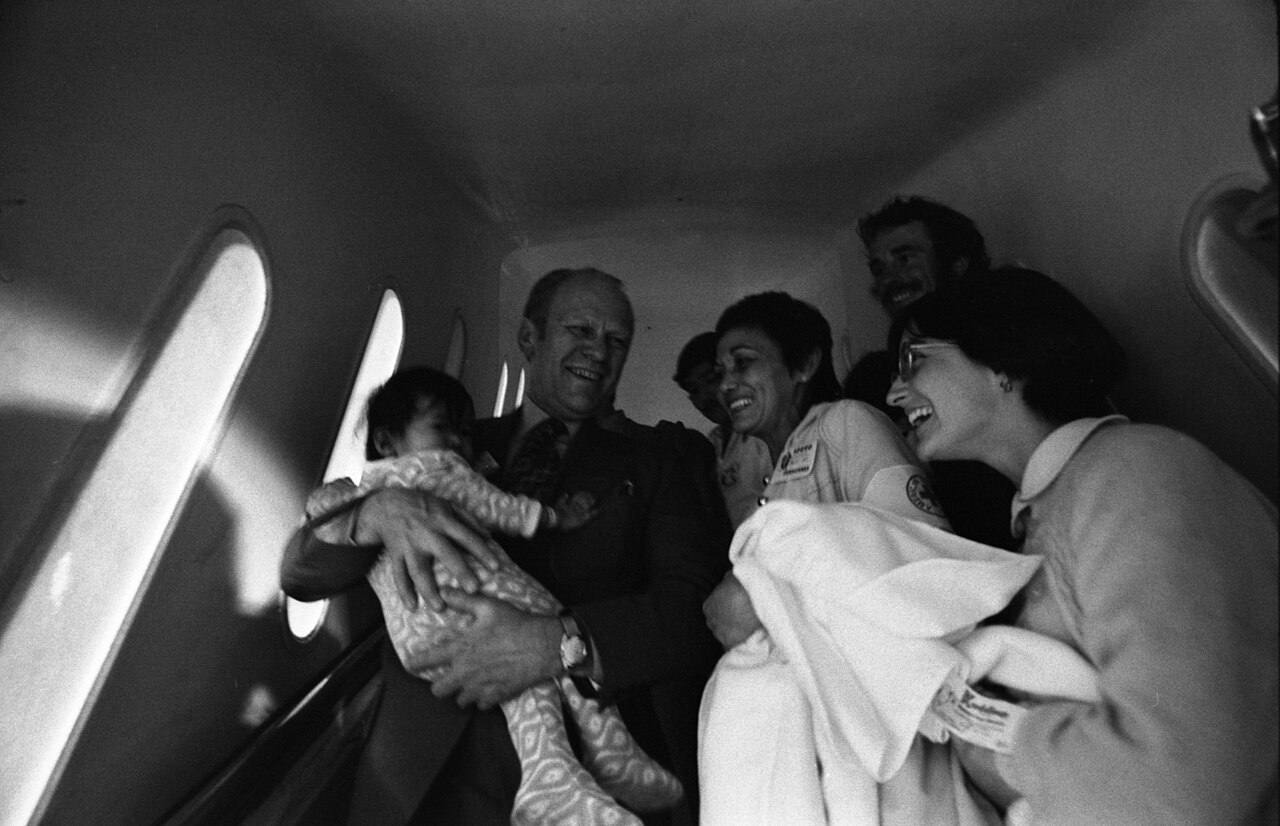
"We need to recognize that nursing is not just a job, but a vital service that deserves respect and remuneration."
The Impact of Policy Decisions
Additionally, the impact of government policy on the nursing workforce cannot be understated. Recent legislative decisions have focused on healthcare reform but have often neglected the implications these reforms have on nursing education and training programs. Shortcomings in funding for nursing schools mean fewer qualified candidates are entering the profession. As policymakers grapple with the issue, it is essential to prioritize not just the quantity of healthcare but the quality of care provided by a well-trained nursing staff.
Workplace Conditions
Moreover, the working conditions for nurses are often less than ideal. Overcrowded hospitals, insufficient support staff, and inadequate resources create an environment ripe for burnout. The toll on mental and physical health for nurses can lead to high turnover rates, further compounding the shortage. It is vital for hospitals and healthcare facilities to address these conditions, ensuring that nurses are supported and not left to shoulder the burden alone.
The Role of Education
Another element often glossed over is the importance of nursing education. The rigorous training required for nurses is both a barrier and a necessity. As educational programs grapple with limited resources, many prospective students may find themselves deterred by the challenges of entering a demanding and often underappreciated field. Investing in nursing education is not merely an economic decision - it's a societal obligation to ensure that future generations of nurses are prepared to meet the growing healthcare needs of our communities.
A Call for Collective Action
As we assess the current state of nursing, it is critical to recognize that addressing the shortage requires collective action from all sectors. From government policymakers to healthcare administrators, stakeholders must engage in meaningful dialogue to create solutions that prioritize both the workforce and the patients they serve. This includes a commitment to improving wages, working conditions, and educational opportunities.
However, both left and right extremes of the political spectrum often miss the mark. The left pushes for sweeping reforms without fully considering the financial implications for healthcare systems, while the right tends to overlook the human aspect of healthcare altogether, focusing instead on deregulation that can lead to further deterioration of working conditions. A balanced approach that respects the intricacies of the healthcare ecosystem is essential for meaningful progress.
Conclusion: The Road Ahead
The nursing shortage is not simply a statistic; it is a crisis that affects the very fabric of our healthcare system. To move forward, we must ensure that the voices of nurses are heard and that their contributions are valued. As the headlines fade, it is crucial to keep the dialogue alive and focus on what truly matters: the health and well-being of our communities. Failure to do so may lead to dire consequences for patients and healthcare providers alike.
✦ ✦ ✦