From the file. Written for the paper dated November 1978. Opened in the public stacks July 14, 2026.
As the scientific community grapples with an increasing focus on lab safety, a closer examination of the statistics reveals a complex picture that challenges both alarmist narratives and dismissive attitudes towards safety protocols.
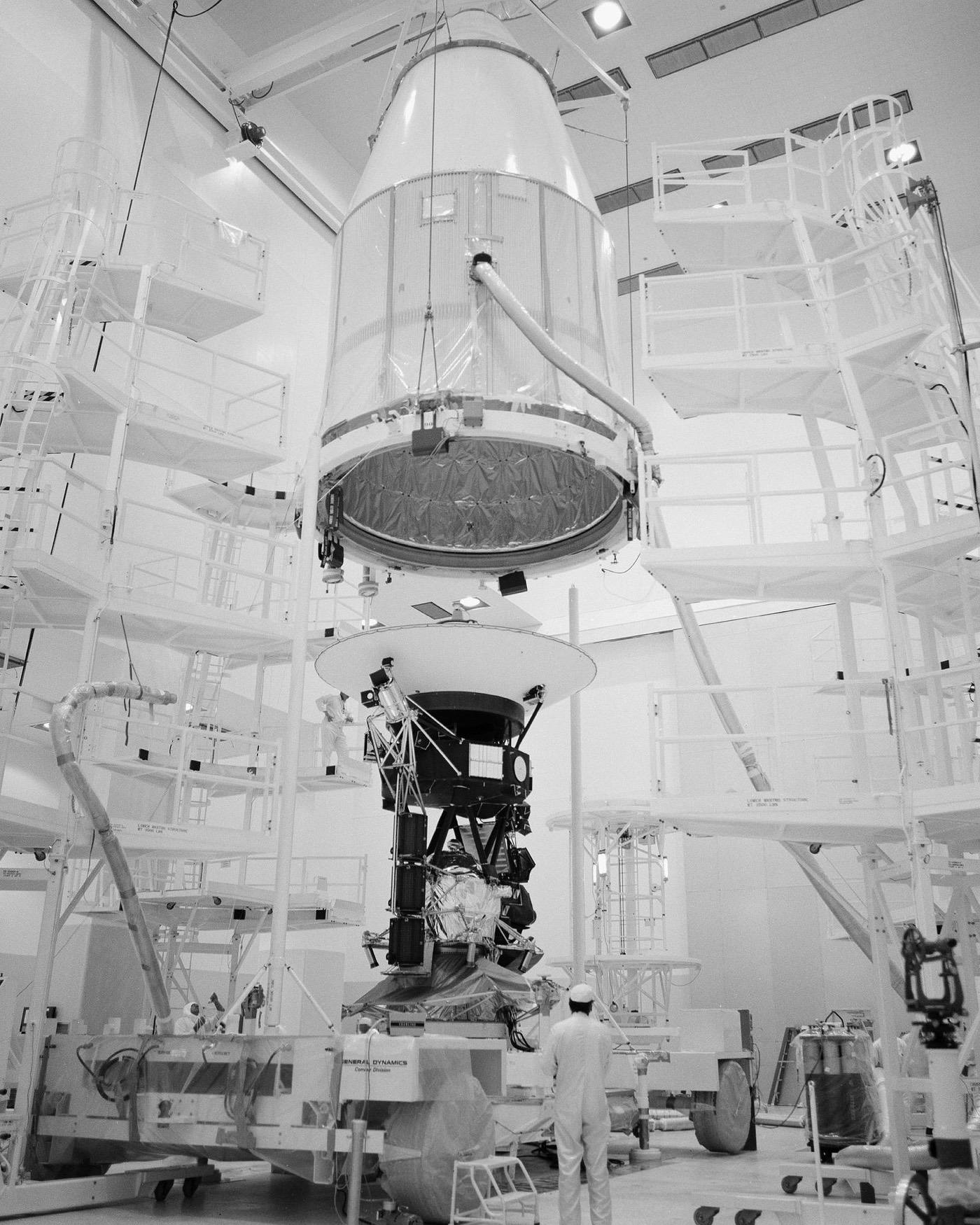
Safety Concerns in Laboratories
In recent months, concerns over laboratory safety have intensified, particularly in light of high-profile accidents that have left researchers and the public alike questioning the adequacy of existing safety measures. It is essential to consider not only the incidents that capture headlines but also the broader context of lab safety and what the numbers actually reflect about our practices.
Reports from various institutions indicate that while incidents do occur, the vast majority of laboratory environments operate without significant accidents. For instance, the National Institute for Occupational Safety and Health (NIOSH) has stated that injuries in laboratory settings represent a small fraction of overall workplace accidents. However, with the rise of more complex and hazardous materials, the need for stringent safety protocols cannot be overstated.

“The balance between scientific progress and safety must be carefully navigated.”
Examining the Data
Data from the past few years suggest that while the number of reported incidents in laboratories has remained stable, the nature of those incidents has evolved. There has been a noticeable uptick in accidents involving chemical exposure and equipment malfunction, drawing attention to the need for improved training and updated safety equipment.
Furthermore, it is essential to recognize the potential for overreaction. The sensationalization of lab accidents can lead to a culture of fear that may stifle innovation. Researchers often find themselves caught between the imperative to push boundaries in their work and the potential backlash stemming from a singular incident. This dichotomy calls for a balanced approach, one that does not compromise the integrity of scientific exploration while ensuring that safety remains a priority.
Left and Right Perspectives
Both the far-left and far-right have their own interpretations of lab safety that often reflect their broader ideological struggles. On the left, there is a pervasive narrative that suggests the scientific community is recklessly endangering lives in pursuit of profit and progress. This perspective can lead to calls for excessive regulation, which may ultimately hinder research and development. The danger here lies in the potential for legislation that could stifle the very innovations that can lead to breakthroughs in medicine, technology, and environmental science.
Conversely, the right often dismisses safety concerns as bureaucratic overreach, arguing that the scientific community is capable of self-regulation. This stance can create an environment where safety protocols are not taken seriously, relying instead on the notion that researchers will always act responsibly. Such complacency is dangerous, as it ignores the fact that human error and unforeseen circumstances can lead to catastrophic outcomes.
“Safety is not an impediment to progress; it is a foundational element of responsible research.”
A Call for Pragmatism
The current discourse surrounding lab safety is rife with extremes on both sides. What is needed is a pragmatic approach that acknowledges the importance of safety without stifling innovation. Institutions must prioritize the establishment of comprehensive safety protocols that balance the need for flexibility and the imperative of protecting researchers and the public.
Training programs, regular safety audits, and investment in state-of-the-art safety equipment should be standard practice. Moreover, fostering a culture of safety that encourages open dialogue about risks and concerns can help prevent accidents before they occur. This approach not only protects individuals in the lab but also preserves the integrity of the scientific process itself.
Conclusion
As we move forward, the scientific community must strive for a balanced perspective on lab safety. The statistics tell us that while accidents do happen, they are not an inevitable consequence of scientific inquiry. Rather, they are a call to action for all stakeholders to improve practices and ensure the safety of laboratories.
In navigating the complex interplay of safety and scientific progress, we must resist the urge to succumb to fear or complacency. Instead, a commitment to responsible practices and a collaborative spirit will enable us to continue making strides in research while safeguarding the health and safety of all those involved.
✦ ✦ ✦