From the file. Written for the paper dated November 1978. Opened in the public stacks July 14, 2026.
As the economy grapples with a notable spike in commodity prices, a closer examination reveals a complex interplay of factors that demands a nuanced understanding rather than a knee-jerk reaction.
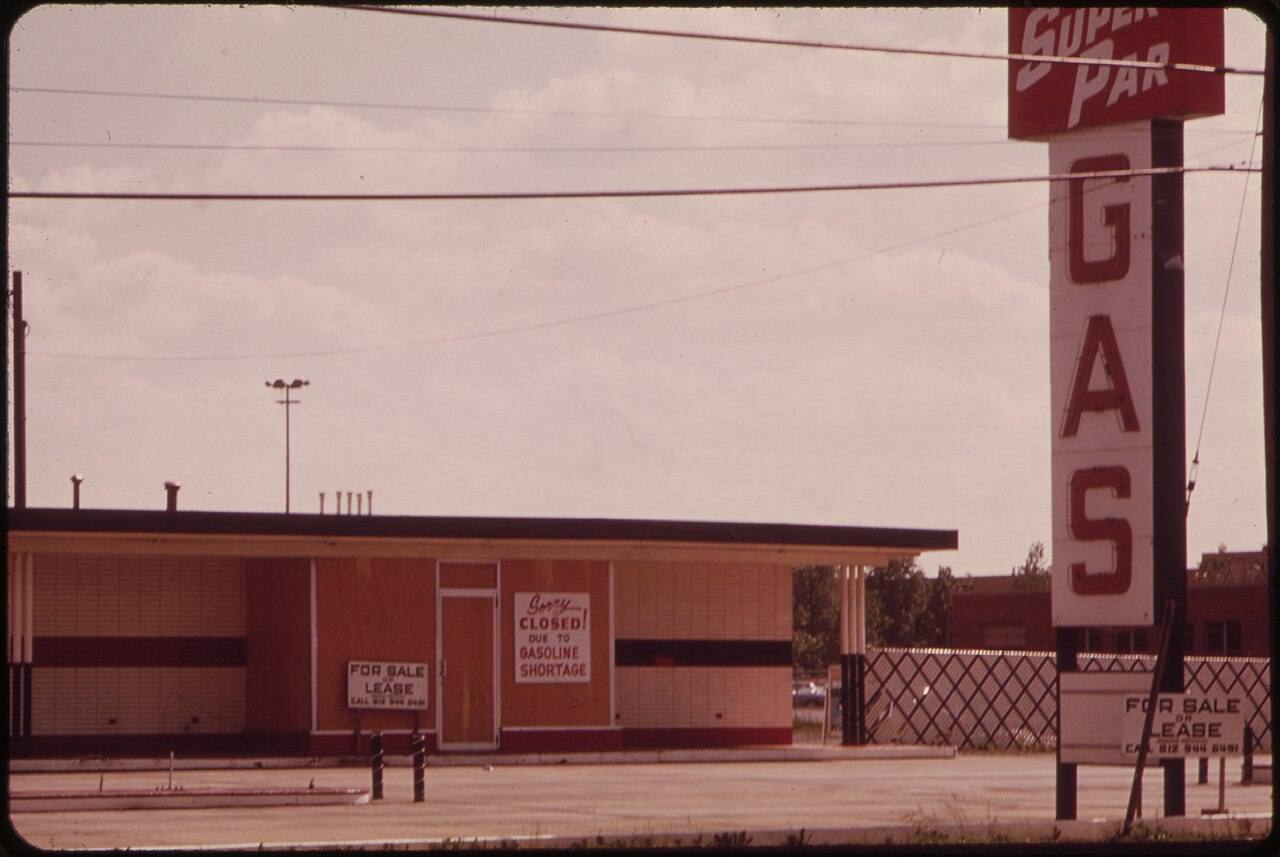
Understanding the Surge
In recent months, the price of essential commodities - ranging from oil and grain to metals - has surged at an alarming rate. This spike has ignited a firestorm of debate among economists, politicians, and average citizens alike. The left cries out about the dangers of corporate greed and the need for stronger regulatory measures, while the right often points the finger at government intervention as the root cause of inflation and instability. Yet, a closer look at the numbers and the underlying causes reveals a more complicated reality.
"To blame one side or the other is to ignore the multifaceted nature of our current economic crisis."
The Economic Landscape
First, let us examine the numbers. According to reports, crude oil prices have surged by nearly 30 percent within the last year. Corn and wheat prices are similarly on the rise, with increases that have left farmers and consumers alike reeling. But what is driving these price hikes? Supply chain disruptions, a result of various geopolitical tensions, play a significant role. The ongoing conflict in the Middle East has strained oil supplies, while unpredictable weather patterns have affected agricultural yields.
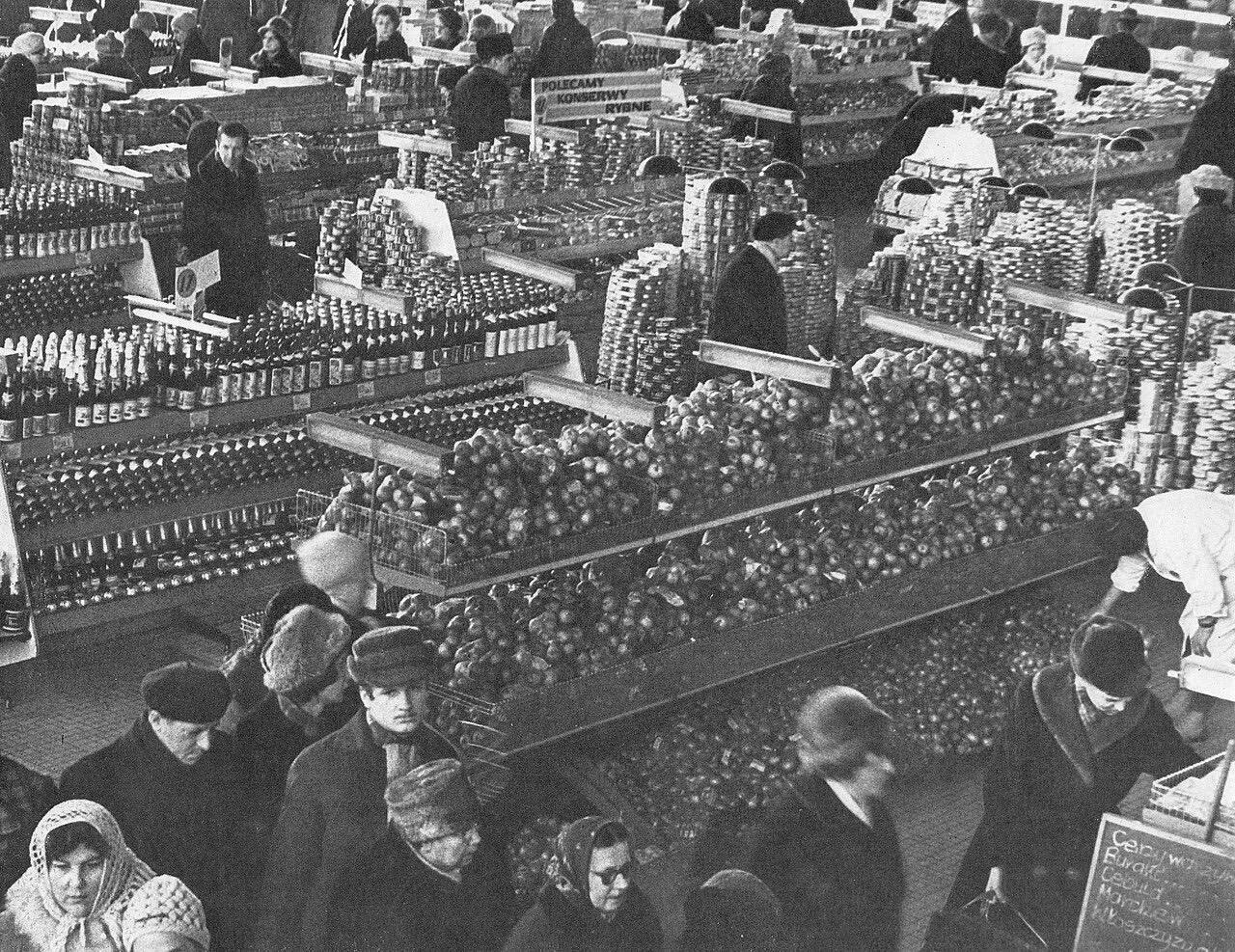
On the left, we hear calls for stronger government intervention to control prices and ensure fair distribution of resources. Advocates argue that without such measures, the most vulnerable sectors of society will suffer the most. However, the reality is that heavy-handed regulation can sometimes lead to unintended consequences, including reduced production and innovation. This is where the right's argument finds some footing: excessive regulation can stifle the very growth that we need to alleviate these economic pressures.
The Role of Speculation
In addition to external factors, speculation in commodity markets has contributed to price volatility. Investors, sensing opportunity, have poured capital into commodities, further inflating prices. Critics on the left argue that this speculation is a form of exploitation, while those on the right may claim it is merely a function of a free market responding to supply and demand. The truth likely lies somewhere in between - speculation can drive prices up, but it can also provide liquidity that allows markets to function effectively. Thus, simply vilifying or exalting speculation does not address the root of the problem.
Political Responses
As we navigate this turbulent economic landscape, the political responses have often been as polarized as the opinions themselves. On one hand, the left’s push for price controls and regulatory measures may seem appealing, especially to those struggling to make ends meet. However, such measures can lead to shortages and long-term economic stagnation if producers are not incentivized to supply goods. On the other hand, the right’s insistence on unfettered markets often ignores the realities of social equity and the potential for exploitation, particularly of lower-income families who are disproportionately affected by rising prices.
Both sides, in their excesses, risk alienating the very constituents they claim to represent. The working class, who are feeling the brunt of these price increases, need solutions that are neither purely regulatory nor purely laissez-faire. They require a balanced approach that considers both market dynamics and the necessity of social safety nets.
A Call for Pragmatism
What we need now is a pragmatic approach that recognizes the complexity of the situation. The government has a role in ensuring fair access to commodities and protecting the most vulnerable, but it must also encourage production and innovation in the private sector. This requires dialogue and collaboration between both sides of the political spectrum, moving beyond rhetoric to actionable solutions that address the root causes of the commodity spike.
In conclusion, the commodity spike we are witnessing is not merely a product of greed or government overreach. It is a confluence of global factors, market dynamics, and political responses that require a thoughtful and balanced approach. If we allow ourselves to be swept up in the extremes of either side, we risk overlooking the nuanced solutions that could pave the way for lasting economic stability. Let's strive for a dialogue that prioritizes understanding over accusation and cooperation over division.
✦ ✦ ✦