From the file. Written for the paper dated October 1978. Opened in the public stacks July 14, 2026.
In an age where headlines capture the public's attention, the real challenge lies in fostering genuine understanding and appreciation for science among students. As sensational stories fade, the question remains: How do we ensure that science education remains a priority?
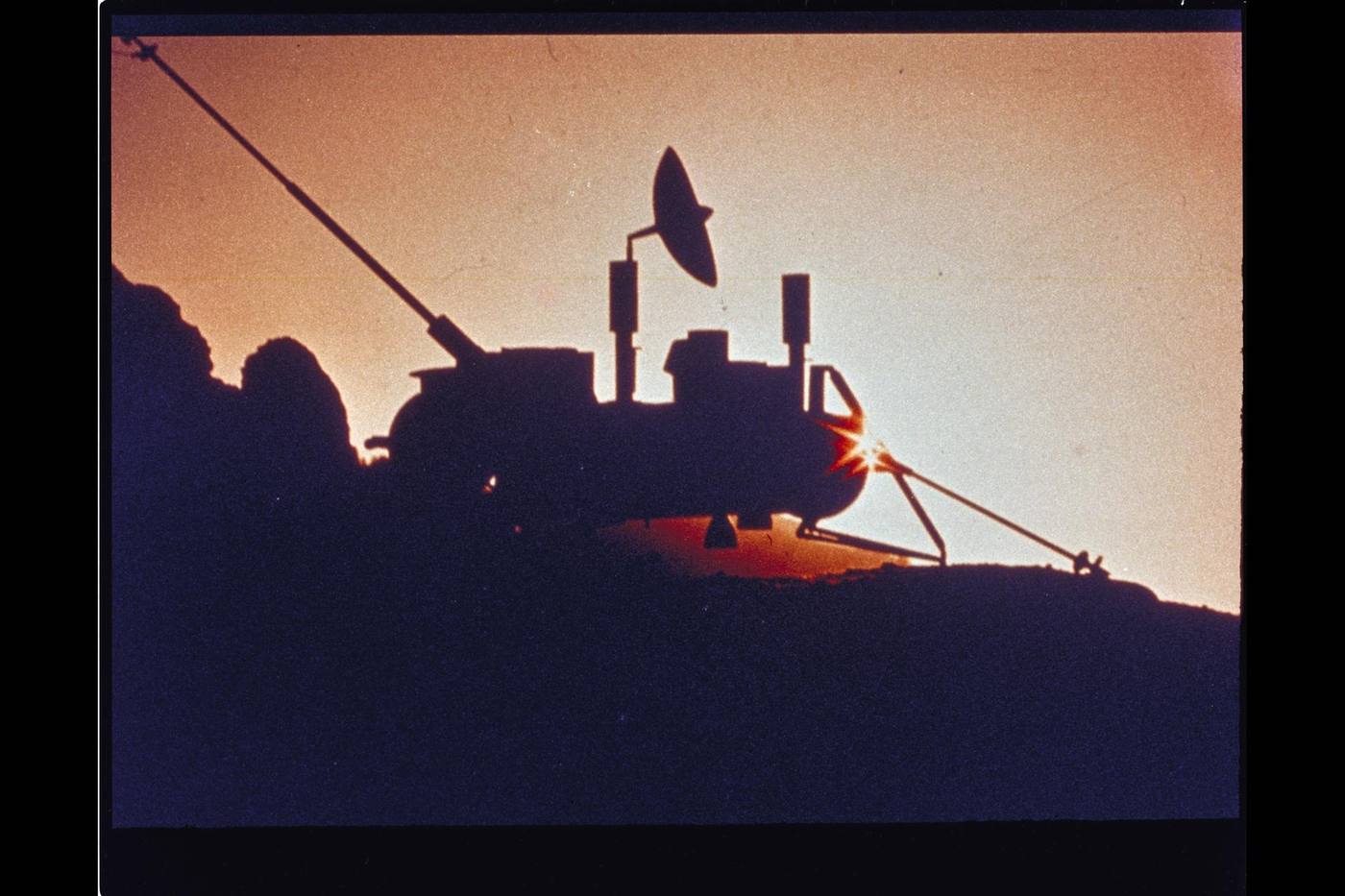
The Certainty Conundrum
Certainty, in the realm of science education, is a powerful commodity. In a world increasingly characterized by complexity, ambiguity, and moral dilemmas, the simple, definitive answers often provided by scientific claims can be intoxicating. Students are drawn to the allure of certainty - whether it's the promise of a cure, the assurance of a technological advance, or the straightforwardness of a scientific theory. However, the reliance on certainty can have serious drawbacks, leading to a superficial understanding of scientific principles.
The recent surge of interest in science, particularly following high-profile events such as the Apollo moon landings and the ongoing debates over climate change, reflects a public yearning for clarity in a chaotic world. Yet, this shift has led to an unfortunate trend: the oversimplification of complex scientific issues. In classrooms across the nation, educators are grappling with the challenge of teaching young minds to appreciate the nuances of scientific inquiry while also engaging them with material that resonates.

Education vs. Sensationalism
The media plays a critical role in shaping perceptions of science. Headlines often prioritize sensationalism over substance, leading to a public that craves immediate gratification. As educators, we must confront the reality that students are more likely to remember the sensational than the substantive. The recent public fascination with psychic phenomena and UFOs highlights this point. While these topics may spark interest, they divert attention from the essential skills of critical thinking and scientific reasoning.
“We must teach students to question, to dissect, and to discern, rather than simply accept the headlines.”
To counter this trend, science educators must emphasize the scientific method as a framework for understanding the world. Students should be encouraged to engage in inquiry-based learning, where they learn to ask questions, formulate hypotheses, and conduct experiments. This approach not only cultivates a deeper understanding of science but also equips students with the tools necessary to navigate the complexities of modern life.
Balancing Certainty with Inquiry
While certainty in science can be tempting, it is essential that we cultivate a culture of inquiry in our classrooms. The public often misunderstands the nature of scientific knowledge, viewing it as a collection of absolute truths rather than a dynamic process of discovery. This misconception can lead to disillusionment when new evidence challenges established theories. Educators must strive to communicate that science is not merely a body of facts but an evolving discipline that thrives on questioning and revising ideas.
Moreover, the current political climate poses additional challenges. The left and right often engage in fervent debates over scientific issues, from environmental policies to public health initiatives, further complicating the educational landscape. As educators, we must advocate for a curriculum that prioritizes evidence-based reasoning over partisan agendas. Students should learn to evaluate scientific claims critically, regardless of the source, and develop the skills to differentiate between opinion and fact.
The Role of Technology in Science Education
As we consider the future of science education, we cannot overlook the role of technology. With the advent of television and educational films, new tools have emerged to enhance our teaching methods. Yet, there is a danger that reliance on these technologies may overshadow traditional pedagogical approaches. While multimedia presentations can be engaging, they should not replace hands-on experiences and laboratory work, which are vital for fostering a true understanding of scientific concepts.
Furthermore, as technology continues to evolve, educators must remain vigilant about its impact on students' cognitive development. The challenge lies in finding a balance between leveraging technology to enhance learning and ensuring that students do not become passive consumers of information.
Conclusion: A Call to Action
As we reflect on the state of science education in 1978, it is evident that we stand at a crossroads. The allure of certainty must be tempered with a commitment to inquiry and critical thinking. Educators, policymakers, and the public must work together to prioritize science education in a way that transcends sensational headlines and fosters a genuine appreciation for the scientific process.
✦ ✦ ✦