From the file. Written for the paper dated August 1978. Opened in the public stacks July 14, 2026.
In the aftermath of the energy crisis, the American energy grid stands at a critical juncture, revealing a quiet failure of oversight that could have dire implications for both the economy and the everyday lives of citizens.
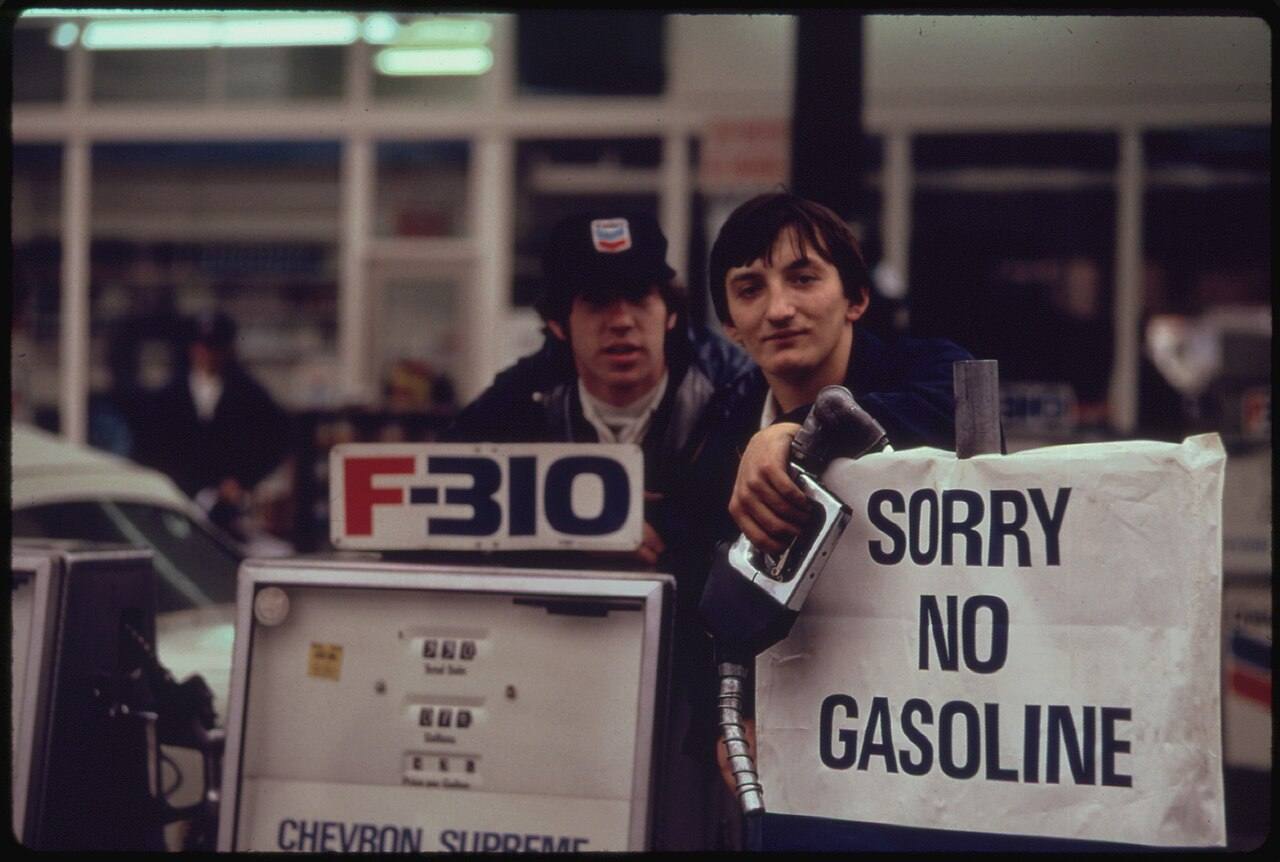
Energy in the Spotlight
The energy crisis of the past few years has ignited a fervent national conversation about our dependence on fossil fuels, the stability of our energy supply, and the future of alternative energy sources. As gas lines stretched for blocks and prices soared, the public's awareness of energy issues reached an all-time high. However, now that the headlines have faded, it seems the necessary scrutiny over the energy grid has diminished as well.
Political leaders from both sides of the aisle have seized upon the crisis to champion their agendas. The left has rallied for comprehensive reforms that prioritize renewable energy, while the right has pushed for deregulation and the expansion of domestic oil drilling. Yet, in the midst of this heated debate, there is a glaring lack of focus on the fundamental infrastructure that supports our energy systems. This oversight threatens to undermine any progress made in energy policy.
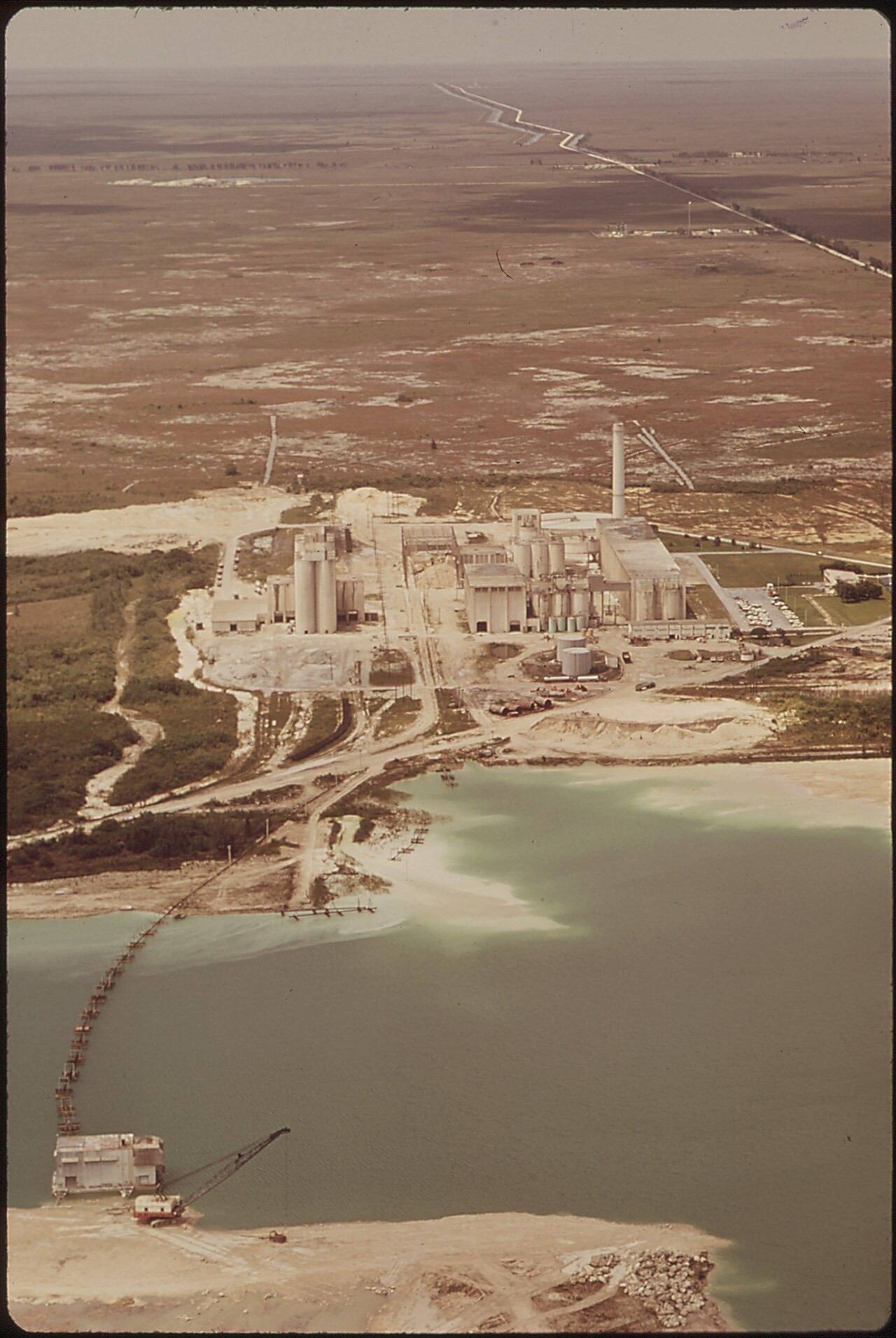
The State of the Grid
The American energy grid, a complex web of interconnected power plants, transmission lines, and distribution networks, is in urgent need of attention. Reports indicate that many of these systems are aging and in disrepair. The lack of investment in maintenance and upgrades has left them vulnerable to disruptions, which could be catastrophic in an era where energy demand continues to grow.
While politicians argue over the best path forward, the reality is that the grid itself requires a comprehensive evaluation and modernization plan. A failure to address these issues could lead to not only power outages but also a more significant economic downturn. An unreliable energy supply can hinder businesses, disrupt daily life, and ultimately erode public trust in the government’s ability to regulate and ensure essential services.
"In the heat of debate, we risk losing sight of the infrastructure that powers our nation."
Political Posturing vs. Genuine Solutions
One of the most disconcerting aspects of the current discourse is the tendency for both political extremes to engage in posturing rather than seeking genuine solutions. The left’s call for immediate green energy initiatives is admirable, but it often overlooks the practical realities of transitioning from a fossil fuel-based economy. Meanwhile, the right’s insistence on deregulation may lead to further neglect of an already beleaguered system, prioritizing short-term profits over long-term stability.
Both sides seem to forget that a robust energy policy must begin with strengthening the grid. A sustainable energy future cannot be built on a crumbling foundation. The fact that lawmakers are not prioritizing the grid in their discussions is a glaring oversight that could have consequences for decades to come.
Public Awareness and Responsibility
As citizens, it is crucial to remain vigilant and informed about energy issues. The recent crisis may have sparked interest, but now more than ever, public pressure is needed to hold politicians accountable for their promises. Advocating for transparency in energy policy and demanding that infrastructure concerns are addressed will be essential for ensuring a reliable energy future.
Grassroots movements advocating for sustainable energy practices can be effective, but they must also include demands for the revitalization of the energy grid. Without this critical component, even the most ambitious renewable energy initiatives could falter.
A Call for Action
The moment to act is now. If the energy crisis has taught us anything, it is that our reliance on a fragile energy infrastructure is dangerous. We must approach energy policy holistically - addressing both the need for renewable energy sources and the urgent need to strengthen the grid that delivers power to our homes and businesses.
Let us not wait until the next crisis strikes before we take action. Instead, let us advocate for a comprehensive strategy that prioritizes infrastructure alongside energy innovation. The time for political gamesmanship is over; we need responsible governance that recognizes the critical role of a robust energy grid in securing America’s future.
✦ ✦ ✦