From the file. Written for the paper dated August 1978. Opened in the public stacks July 14, 2026.
As the summer sun beats down on Washington, the nation finds itself in a budget standoff that illustrates a quiet failure of oversight, with both liberal and conservative factions entrenched in their ideologies and unwilling to compromise.

The Absent Middle Ground
The current budget impasse is not merely a matter of numbers; it reflects a deeper malaise that afflicts both sides of the political spectrum. On the left, there are calls for increased spending on social programs that, while noble in intent, fail to address the underlying economic realities of a nation grappling with inflation. Meanwhile, the right leans heavily on austerity measures that threaten to undermine essential services and leave vulnerable populations to fend for themselves.
As lawmakers bicker over appropriations, the American public watches in frustration. The political theater plays out on the nightly news, with representatives from both parties taking to the airwaves to defend their positions. Yet, amid the grandstanding, there is a notable absence of pragmatic discussion. Neither side appears willing to entertain the notion that a balanced approach might serve the nation better than extremes.
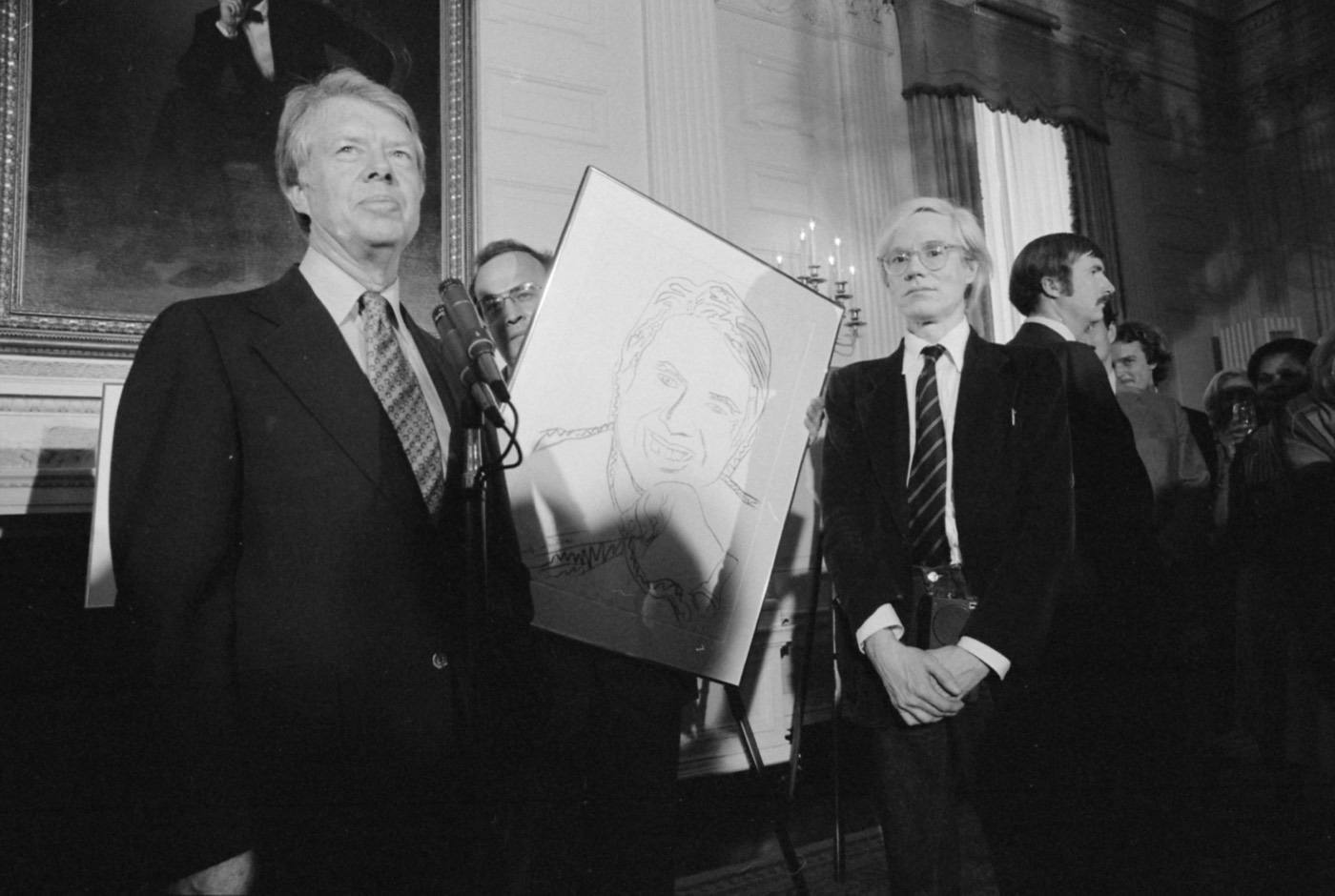
“We have to safeguard the future while being responsible in our spending today.”
The Left’s Excess
Progressives argue for robust funding for education, healthcare, and housing, believing that government should play an expansive role in ensuring equitable access to resources. However, their insistence on broad spending programs often ignores the fiscal constraints that the nation currently faces. This year alone, inflation has risen sharply, leading to fears of further economic instability. Yet, instead of revisiting their proposals in light of these realities, many on the left are doubling down, advocating for increased entitlements without a clear plan for sustainability.
While their intentions may be commendable, the lack of a realistic financial framework raises questions about whether these initiatives can truly achieve their aims. Instead of fostering dialogue about responsible fiscal policy, progressive leaders seem more focused on pushing their agenda, even if it requires sacrificing fiscal prudence.
The Right’s Overreach
Conversely, the right has been vociferous in its calls for budget cuts across the board, championing a stringent approach that may resonate with their base but lacks compassion for those most affected by these decisions. While addressing waste and inefficiency in government spending is undoubtedly necessary, the blanket cuts proposed by conservative factions risk dismantling crucial services that millions of Americans rely on.
The ideological rigidity displayed by right-wing lawmakers reflects a fundamental misunderstanding of the social contract. The government’s role isn't solely to manage budgets; it is also to ensure that the basic needs of its citizens are met. A myopic focus on balancing the budget, without considering the human element, can lead to dire consequences for the nation’s most vulnerable populations.
A Call for Compromise
The time has come for both parties to step back from their respective ledges and recognize that governance is about more than winning ideological battles. It involves making tough choices and finding common ground. The American people deserve leaders who can negotiate in good faith and prioritize the nation’s welfare over political posturing.
As this budget standoff drags on, the risk of a government shutdown looms large. Such an event would not only disrupt services but also erode public trust in government institutions. The stakes are high, and the onus is on our elected officials to rise above the fray and devise a budget that reflects the needs of all citizens, not just their political bases.
Looking Forward
As the nation watches the budgetary circus unfold, there is an urgent need for a collective re-evaluation of priorities. Both sides must acknowledge that their respective excesses are counterproductive and that compromise is not a sign of weakness but a necessity for effective governance.
With the economy in a precarious state and social unrest simmering just below the surface, the consequences of this budget standoff could be far-reaching. We must hope that our leaders can find the resolve to work together, for the sake of the country and its future.
✦ ✦ ✦