From the file. Written for the paper dated June 1978. Opened in the public stacks July 14, 2026.
As the nation teeters on the brink of shutdown, the political theater has taken center stage, overshadowing the very real consequences of such brinkmanship. In June 1978, the battle lines are drawn, and both sides seem locked in an unyielding embrace of extremity.

Understanding the Stakes
Shutdowns have become a frequent topic in political discourse, but the intricacies of the procedures that lead to such drastic measures often remain unaddressed. The reality of a government shutdown is that it impacts millions of Americans, from federal employees to citizens relying on government services. Yet, the focus is primarily on the political maneuverings of party leaders and the rhetoric exchanged in Congress.
On one hand, we have the Republican Party, which has adopted an increasingly hardline stance. They argue that fiscal responsibility must come first, often at the expense of social programs that many Americans depend on. Their rhetoric appeals to a base that is weary of government spending but often fails to acknowledge the human cost of their policies. This fixation on austerity can lead to a disregard for the practical implications of budget cuts, particularly for the most vulnerable in our society.
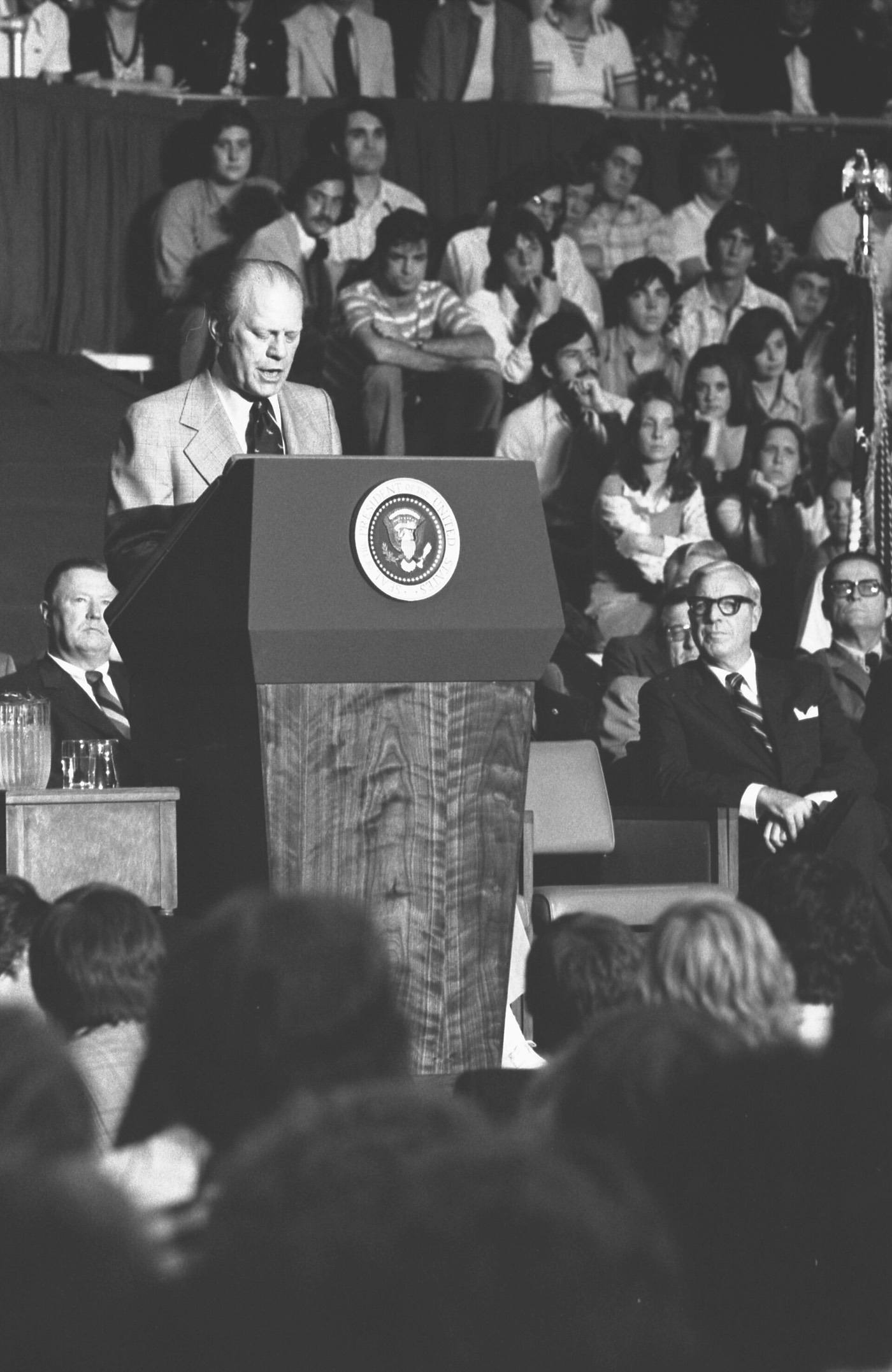
On the other side, the Democrats have engaged in their own brand of excess. While advocates for social welfare and government spending, they seem to have lost touch with the realities of the economic landscape. Pushing for expansive programs without a clear plan for funding has resulted in a perception of irresponsibility. This can alienate moderate voters who understand the necessity of balancing social responsibility with fiscal prudence.
“Both extremes are failing to represent the needs of the American people.”
The Political Game
As Congress debates budget proposals, it is essential to recognize that this is not merely a game of politics; it is a matter of governance. The brinkmanship displayed by both parties is a symptom of a larger malaise within the political system. Rather than seeking compromise, leaders are often more concerned with winning the next election cycle, further entrenching their respective bases.
This unwillingness to collaborate can lead to catastrophic outcomes. As we stand on the edge of a potential government shutdown, the real question is not whether one party is right or wrong but rather how we can avoid such a scenario in the first place. The fear of shutdown should compel our leaders to prioritize dialogue over dogma.
A Call for Reasoned Discourse
What is needed now is a commitment to reasoned discourse. Both parties must recognize that their constituents deserve better than the gridlock that has become all too common. It is time to put aside the extremes and focus on pragmatic solutions that address the pressing issues facing our nation.
For the Republican Party, this means recognizing the importance of social safety nets and the potential consequences of cutting funding for programs that support the underprivileged. For the Democrats, it necessitates a more honest conversation about fiscal responsibility and the long-term sustainability of their proposed programs.
The American public deserves leaders who are willing to engage in honest dialogue rather than resorting to political posturing. The stakes are far too high for either side to continue down this path of brinkmanship. As citizens, we must demand accountability and a return to reason, for it is only through collaboration that we can navigate these turbulent waters.
The Path Forward
If there is a silver lining to this current crisis, it is the opportunity for a genuine reassessment of priorities within Congress. Perhaps this moment can serve as a catalyst for change - a chance to rebuild trust with the American people. A willingness to engage in meaningful conversation about governance, rather than a relentless focus on political gain, could reshape the landscape of American politics.
As we look to the future, let us hope that our leaders can rise above the fray and prioritize the needs of the nation over their party allegiances. The time for posturing is over; it is time for action. The American people deserve representatives who will fight for their interests, not just their party’s agenda.
✦ ✦ ✦