From the file. Written for the paper dated May 1978. Opened in the public stacks July 14, 2026.
As Congress grapples with the looming threat of a government shutdown, the political theater on display masks a more mundane yet critical reality: the complex mechanics behind the brinkmanship unfolding in our nation’s capital.
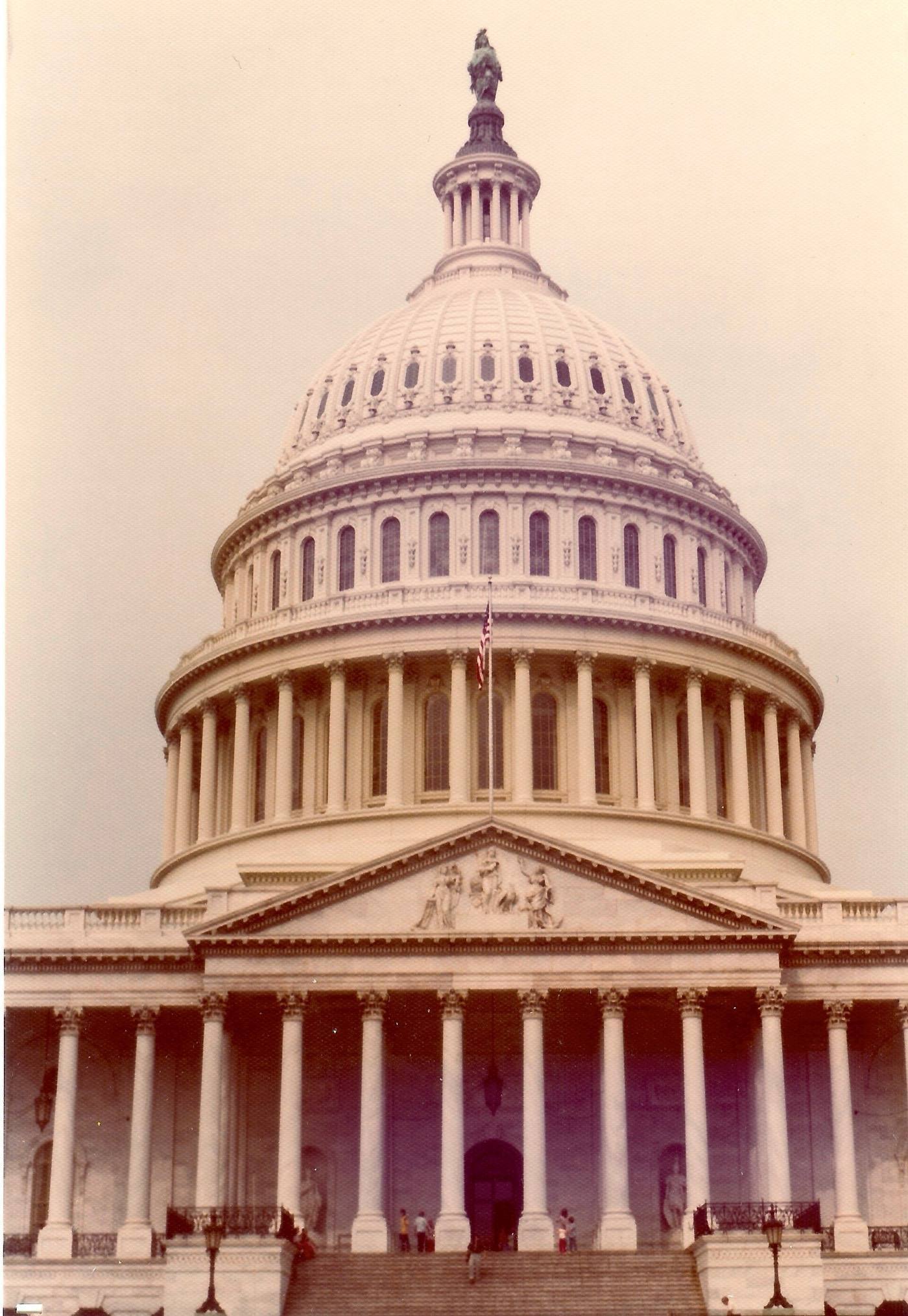
The Mechanics of Brinkmanship
Shutdown brinkmanship has become a hallmark of contemporary governance, a spectacle that has captured the attention of the public and politicians alike. Yet, amidst the drama, it is essential to recognize the underlying processes that fuel this political maneuvering. The potential for a government shutdown often arises from budgetary disagreements, where differences in fiscal priorities transform into a high-stakes game of chicken.
Both sides of the political aisle employ tactics that range from the theatrical to the absurdly mundane. On one hand, the left is accused of pushing for expansive social programs without fully accounting for the fiscal implications. On the other, the right often lashes out in opposition, wielding the threat of a shutdown as a blunt instrument to enforce spending cuts that may ultimately hurt the constituents they claim to represent. In this tug-of-war, the American public is left holding the bag, uncertain of their government’s stability.

"In this tug-of-war, the American public is left holding the bag, uncertain of their government's stability."
Left and Right: A Study in Excess
As we delve deeper into the political machinations at play, it is crucial to note that both extremes are guilty of excess. The left, in its fervor to expand welfare and social justice initiatives, often overlooks fiscal responsibility. In contrast, the right’s fixation on slashing budgets can lead to an erosion of essential services, hurting those who rely on government support the most.
Consider the recent proposals floated by both parties. The Democrats are advocating for increased funding for food assistance programs, arguing that these are vital for combating poverty. However, their insistence on raising taxes to support these initiatives has been met with fierce resistance from Republicans, who argue that higher taxes stifle economic growth. This clash of ideologies is the crux of the current impasse, and the resultant brinkmanship threatens to thrust the nation into chaos.
Meanwhile, the Republican leadership has been criticized for its steadfast refusal to compromise, instead opting for a punitive approach that could lead to drastic cuts in programs that many Americans depend on. Rather than finding common ground, the party’s leadership seems more inclined to play to their base, further polarizing the debate.
Public Perception and Media Influence
The role of the media in this crisis cannot be understated. The constant barrage of sensational headlines and dramatic news segments has a profound impact on public perception. Audiences are often left with the impression that the stakes are higher than they truly are, as the media amplifies the conflict for ratings. This creates a feedback loop, where politicians feel compelled to play up their rhetoric to appease their voters, further entrenching the divides.
What is often lost in this noise is the reality of governance: the slow, methodical process of negotiation that is necessary to pass legislation. The boring yet essential work of compromise is drowned out by the clamor of partisan battles. Politicians might be more effective if they embraced the tedious nature of governance and worked towards mutual understanding, rather than indulging in the theater of brinkmanship.
Moving Forward: A Call for Responsible Governance
As we stand on the precipice of a potential shutdown, it is imperative for both sides of the aisle to reflect on their strategies. A government that functions effectively is the cornerstone of democracy, and the current trajectory is unsustainable. The American public deserves better than the endless cycle of threats and ultimatums.
In this time of uncertainty, it is crucial to advocate for responsible governance that prioritizes the needs of the people over the desires of political factions. Compromise may not garner the same headlines as a heated standoff, but it is the path forward that will ultimately benefit the nation. As citizens, we must demand that our leaders engage in meaningful dialogue and work collaboratively to resolve differences, rather than allowing the machinery of government to grind to a halt.
Conclusion
In conclusion, the current state of shutdown brinkmanship serves as a reminder of the importance of responsible governance. Both sides must recognize the need for compromise and prioritize the welfare of the American public above all else. Only through constructive dialogue can we hope to navigate the complexities of our political landscape and emerge stronger as a nation.
✦ ✦ ✦