From the file. Written for the paper dated April 1978. Opened in the public stacks July 14, 2026.
As the dust settles from the recent energy crisis, the conversation about our nation’s energy grid is shifting from fear and urgency to an exploration of the underlying complexities that have long been neglected.

Understanding the Backbone of Our Energy Supply
The United States' energy grid is not merely a series of wires and substations; it is a vast network that connects power generation to consumption. Yet, many Americans are unaware of how this intricate system operates or its vulnerabilities. The energy crisis has brought these issues to the forefront, but our understanding remains limited. Reports and headlines have emphasized the immediate impacts - long lines at gas stations, soaring fuel prices, and widespread blackouts - but have largely ignored the systemic issues that plague our energy infrastructure.
The Right's Emphasis on Market Solutions
On the right, there is a strong push for deregulation and market-driven solutions. Proponents argue that allowing private companies greater freedom will lead to innovation and efficiency. While there is merit in encouraging competition, the idea that the private sector alone can solve our energy woes is naive. Market forces do not always prioritize long-term planning and investment in infrastructure, which are critical for a reliable energy supply. Instead, we see a short-sighted focus on immediate profits, often at the expense of public welfare.
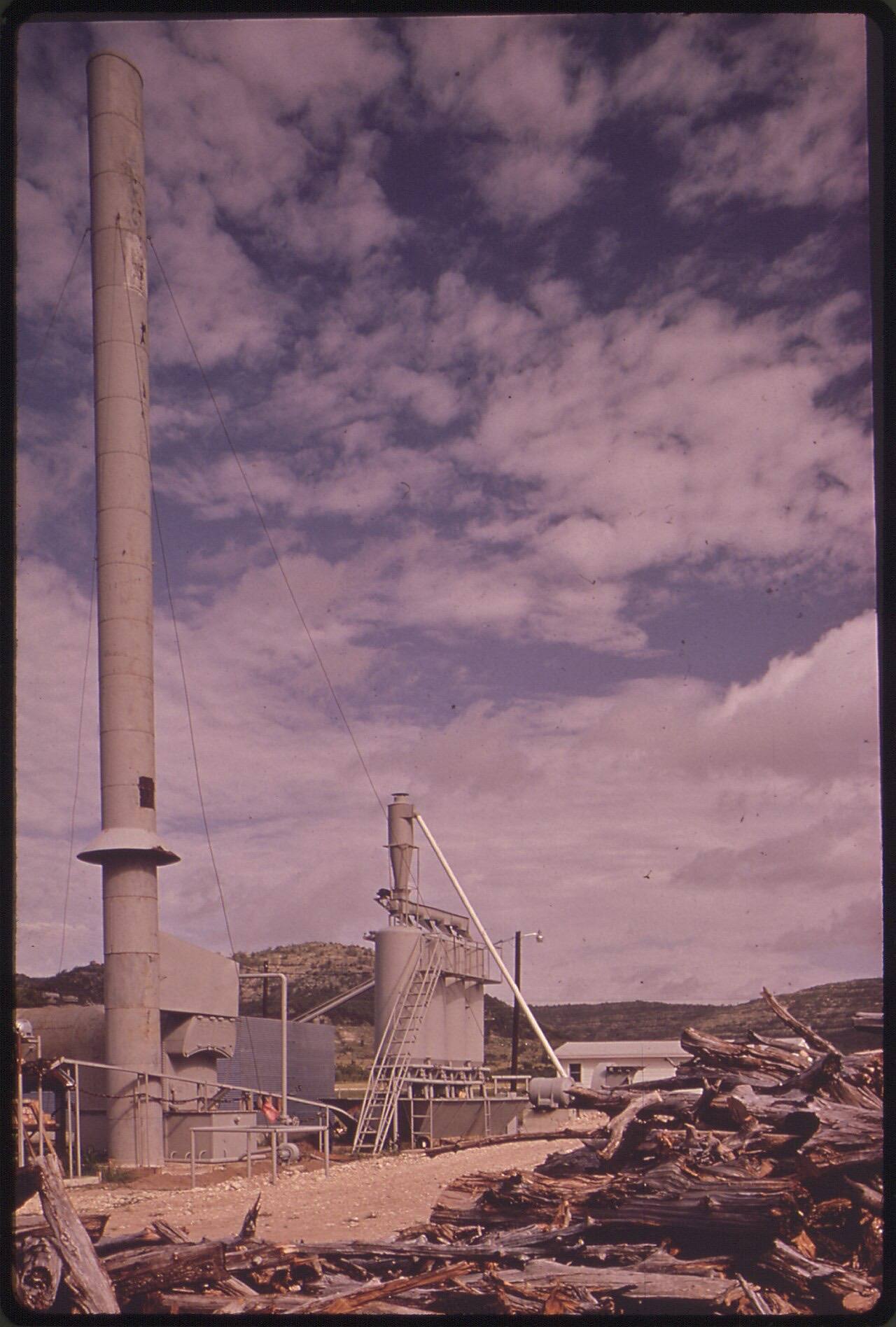
"The energy crisis won't be solved by simply letting the market run wild."
Moreover, the right’s dismissal of government intervention ignores the historical context in which our energy systems evolved. The creation of public utilities was a response to the failures of the private sector to provide consistent and equitable service to all Americans. Deregulation may persuade a few to innovate, but it could also lead to a fragmented system where rural communities are left without adequate power while urban centers thrive.
The Left's Call for Radical Change
Conversely, the left's approach favors sweeping reforms, demanding a transition to renewable energy sources and a reimagining of how we produce and consume power. While the urgency to address climate change and reduce reliance on fossil fuels is commendable, the left often overlooks the practicalities involved in such a transformation. A wholesale shift without adequate planning risks creating chaos rather than sustainability.
"We cannot simply wish away the complexities of our energy systems."
Furthermore, the left’s rhetoric can sometimes come off as alarmist, portraying fossil fuel companies as the enemy rather than acknowledging their role in the existing energy landscape. A nuanced conversation is necessary - one that recognizes the need for cooperation with these entities as we transition to cleaner energy sources. We cannot afford to alienate those who hold critical knowledge and resources while striving for an ambitious vision.
A Call for Evidence-Based Policies
It is essential that discussions about our energy grid move beyond ideological extremes. We must focus on evidence-based policies that address the realities of our energy system. This means investing in research and development to enhance grid reliability and efficiency, as well as prioritizing energy conservation measures. The energy crisis has illuminated the importance of a resilient energy infrastructure capable of adapting to changing demands and unforeseen disruptions.
One crucial step is improving the coordination between various sectors of the energy grid. Federal and state governments must work together with private companies to create a cohesive strategy that prioritizes the needs of all Americans. This includes investing in technology that enhances grid security and efficiency, as well as fostering partnerships that can help bridge the gap between renewable energy sources and traditional utility companies.
Conclusion: Finding Common Ground
As we grapple with the challenges of our energy grid, it is imperative that we seek common ground between the competing ideologies of the left and right. Neither side has the definitive answer to our energy problems, and it is clear that an inclusive approach is necessary. By embracing a dialogue that respects evidence and prioritizes the well-being of all citizens, we can work towards a robust, secure, and sustainable energy future. The time for divisive rhetoric is over; what we need now is collaboration and a commitment to building a grid that serves everyone.
✦ ✦ ✦