From the file. Written for the paper dated April 1978. Opened in the public stacks July 14, 2026.
As the fervor surrounding childhood nutrition debates continues to sweep through our schools and homes, it is essential to look beyond the headlines and examine the evidence that truly matters to the well-being of our children.

Parsing the Claims
In recent months, various factions have taken to the airwaves and public forums to champion their views on what constitutes proper nutrition for children. On one side, we have advocates of whole foods and organic diets who claim that modern processed foods are the root of a host of health problems. On the other, there are those who argue that such diets are impractical and economically unfeasible for the average family. Both sides present compelling arguments, yet the truth often lies in the nuances that neither camp is willing to fully acknowledge.
Take, for instance, the growing concern about obesity among children. Many nutritionists and health experts have pointed to the correlation between the consumption of high-calorie, low-nutrient foods and rising obesity rates. Yet, while the left pushes for stricter regulations on food marketing to children and emphasizes the need for whole-food diets, it often fails to consider that families with limited resources may not have the luxury of choosing organic fruits and vegetables over cheaper processed options. The right, conversely, may advocate for personal responsibility and parental choice without addressing the systemic issues that make healthy food choices so difficult for many families.
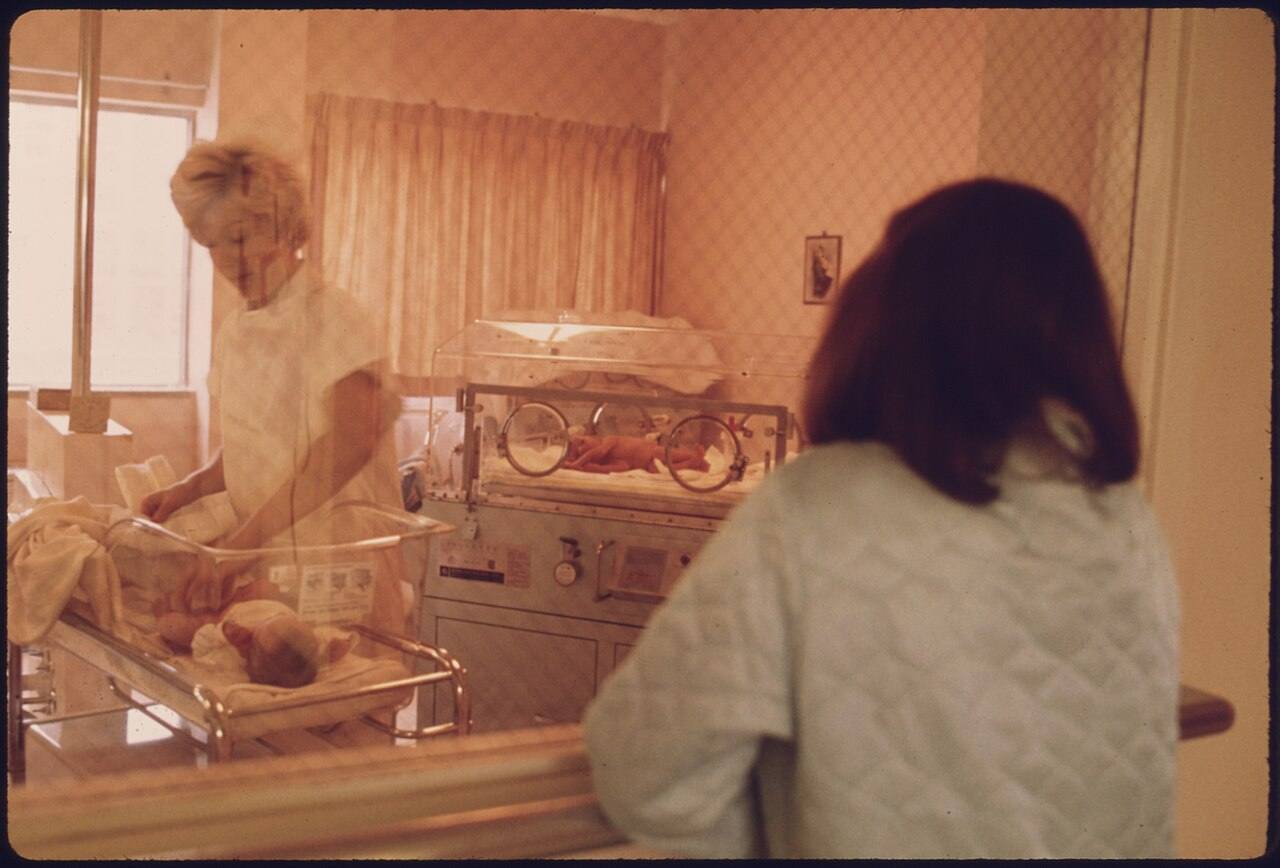
"The truth often lies in the nuances that neither camp is willing to fully acknowledge."
The Role of Education
Education plays a pivotal role in addressing the nutritional needs of our children. An informed parent is more likely to make better dietary choices. However, current educational initiatives are often overshadowed by more sensational narratives. Schools are beginning to implement programs that teach children about nutrition, encouraging them to make healthier choices. Yet, these programs frequently lack adequate funding and resources, limiting their effectiveness. The focus should be on empowering families with knowledge rather than vilifying certain food groups or advocating for extreme dietary changes.
Moreover, the dichotomy between the left and right on this issue often leads to confusion among parents. While some may receive messages that suggest a complete overhaul of their family's diet is necessary, others may be reassured that current eating habits are sufficient. The reality is that moderation and balance are crucial. Encouraging children to consume a variety of foods while providing access to healthier options should be the goal.
Policy Implications
As we navigate this complex landscape, it is also essential to consider the policy implications of these debates. Legislative efforts aimed at improving childhood nutrition must be grounded in evidence rather than ideology. Programs that support local agriculture and provide subsidies for fresh produce could help bridge the gap between proponents of whole foods and those who rely on processed items due to economic constraints. Such policies can create a framework that encourages healthier eating habits across all demographics.
In addition, collaboration between public health officials, educators, and parents is vital. Creating a unified approach that addresses the socio-economic factors influencing dietary choices can foster a more inclusive discussion about childhood nutrition. It is not enough to simply advocate for change; we must also provide tangible solutions that are accessible to all families.
"Creating a unified approach that addresses the socio-economic factors influencing dietary choices can foster a more inclusive discussion."
Bridging the Divide
As we move forward, it is imperative that we bridge the divide between the extremes. While both sides have valuable perspectives, clinging to rigid positions only serves to alienate those who are most affected by these issues - our children. We must strive for a dialogue that prioritizes evidence over identity, focusing on what truly benefits the health of future generations.
It’s time for advocates from both sides to come together and acknowledge the complexities of the issue. Instead of pointing fingers, we must work collaboratively to develop practical solutions that promote better nutrition for all children, regardless of their background.
The Path Ahead
As we reflect on the current state of childhood nutrition, it is clear that the challenges we face are not insurmountable. With a concerted effort from parents, educators, health professionals, and policymakers, we can create an environment that fosters healthy eating habits for our children. It is time we prioritize evidence over ideology, focusing on the well-being of our children above all else.
✦ ✦ ✦