From the file. Written for the paper dated March 1978. Opened in the public stacks July 14, 2026.
As commodity prices soar, public discourse has become a battleground of conflicting claims and realities. In March 1978, we take a closer look at the rising costs of essential goods and the divergent narratives spun by both ends of the political spectrum.
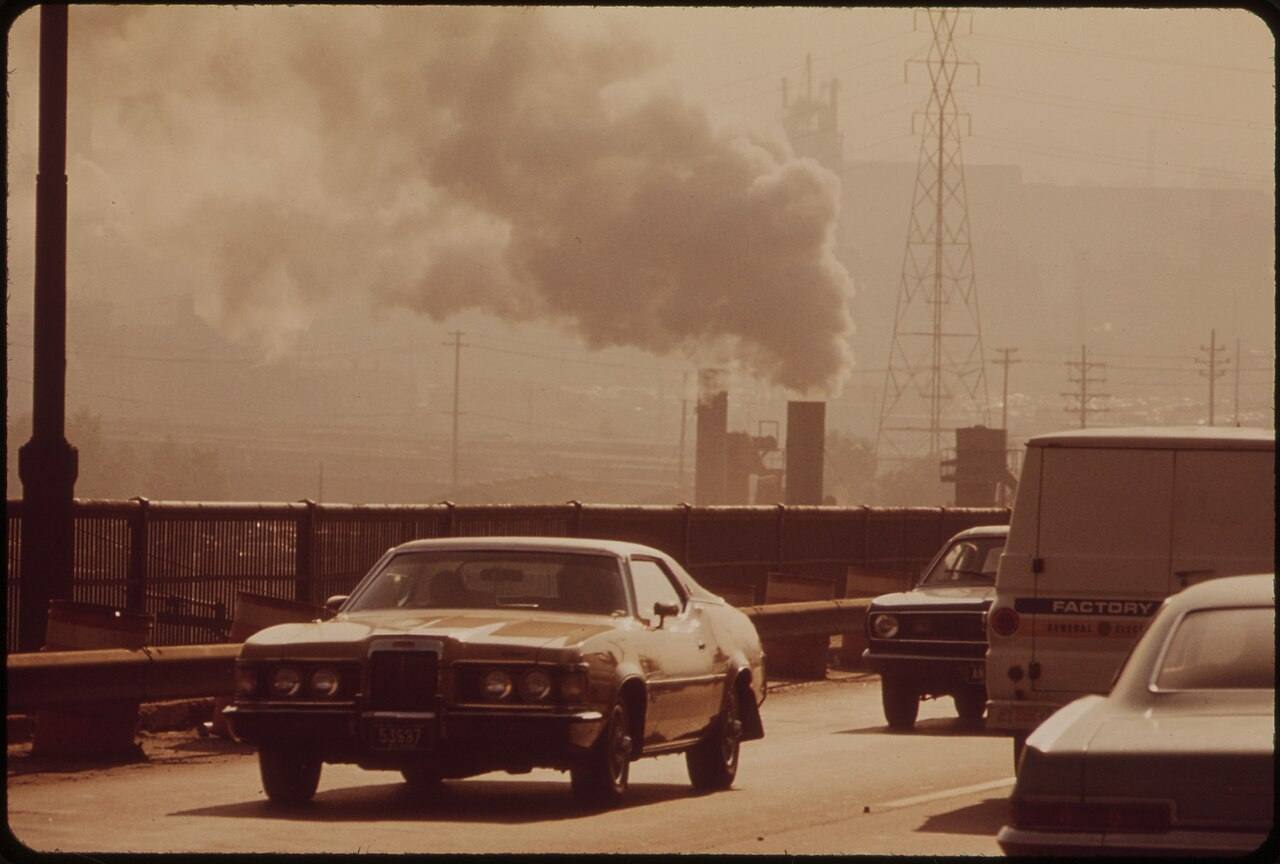
Understanding the Surge
In recent months, the public has witnessed a dramatic spike in commodity prices, with essential items like wheat, corn, and crude oil experiencing unprecedented increases. Farmers and producers have expressed concerns over the effects of inflation, weather patterns, and geopolitical tensions that have contributed to this surge. Yet, as we delve deeper into the numbers, we find a stark contrast between the public claims and what the records indicate.
Proponents on the right often point to governmental policies as the root of this crisis, attributing the soaring prices to mismanagement and overregulation. They draw upon anecdotes from farmers and retailers who claim that excessive regulations stifle production and innovation. However, such assertions tend to gloss over the systematic issues rooted in the global market, including the complexities of supply and demand, which cannot be simplified into a narrative of government failure alone.
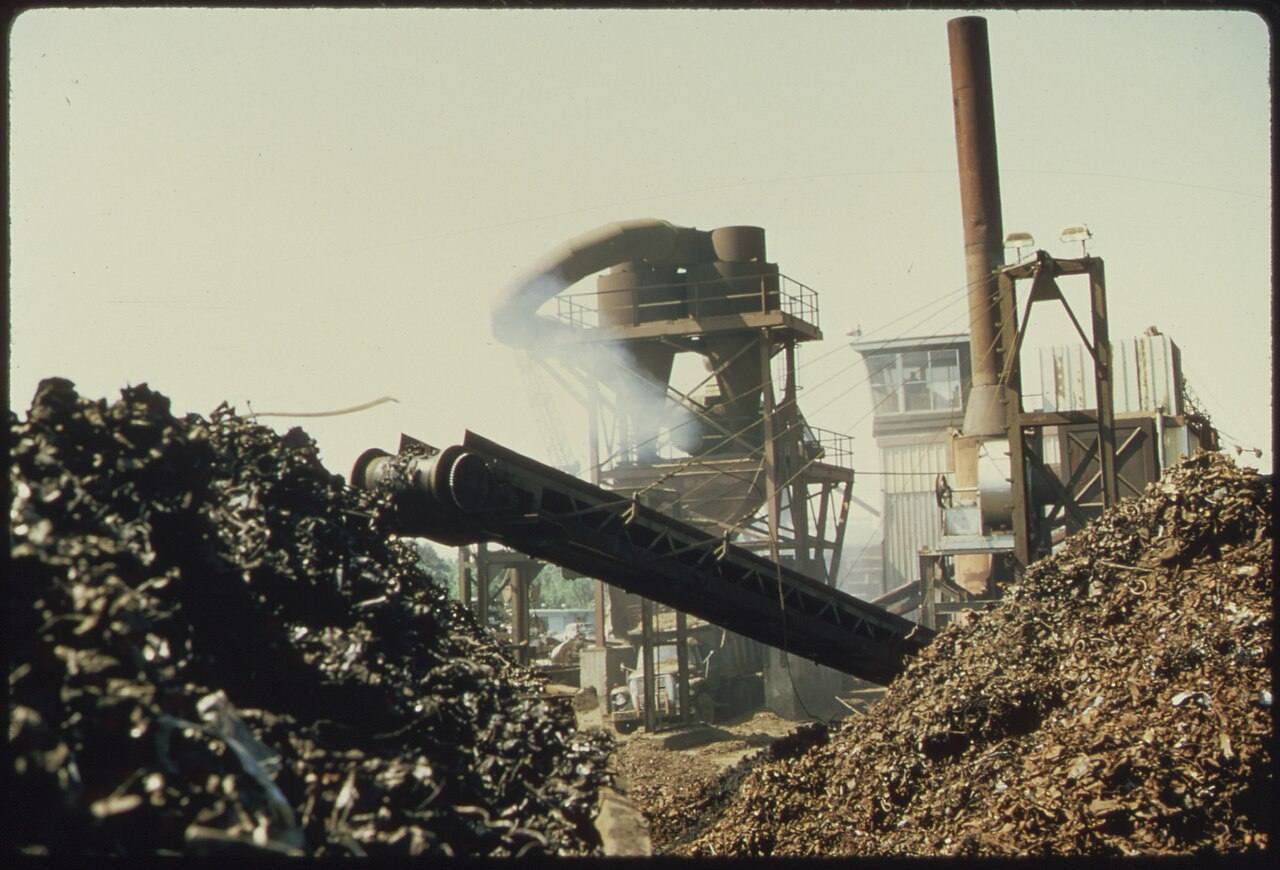
The Left's Response
Conversely, voices from the left argue that the commodity spike is a clear indication of the need for more governmental intervention in the economy. They advocate for price controls and further regulatory measures as a solution to stabilize these essential markets. Yet, this perspective often overlooks the unintended consequences that such measures might bring, such as reduced investment in production and ultimately, a less responsive market to consumer needs.
“The challenge lies in finding a balance that can both support production and protect consumers.”
Facts Versus Claims
To fully grasp the situation, we must examine the data. Recent reports from the Department of Agriculture indicate that while prices have risen, the increases in some commodities are not as severe as public sentiment suggests. For instance, wheat prices have indeed doubled in some regions, but a closer look reveals that this is due largely to international market fluctuations and not solely due to domestic policies. Additionally, factors such as drought conditions in key growth areas have played a significant role in these price hikes.
Moreover, the oil market's volatility is influenced by OPEC's decisions, which have little relation to U.S. domestic policy. While the right may use rising gas prices to bolster their claims of governmental incompetence, the truth is that global dynamics often overshadow local governance. The left's push for control may be well-intentioned but can lead to a stifling of the market's natural corrective mechanisms.
Public Discourse and Responsibility
As politicians and pundits engage in a blame game, the public remains caught in the crossfire. The rhetoric from both sides often serves more to entrench their positions than to foster a constructive dialogue about solutions. This situation calls for a responsible media that can sift through the noise and present a clearer picture of the realities behind the rising prices.
A Call for Balanced Solutions
It is crucial for both sides of the aisle to recognize that the issues at hand are complex and multifaceted. Effective solutions will not emerge from hyperbolic claims or political posturing. Instead, we must engage in a dialogue that embraces economic realities while considering the needs of producers and consumers alike. The challenge lies in finding a balance that can both support production and protect consumers.
As we navigate through these turbulent waters, let us remember that the truth often lies between extremes. The responsibility falls on us as journalists and citizens to demand more from our leaders, pushing for reasoned debate rather than divisive rhetoric. Only by fostering a culture of understanding can we hope to address the commodity spike in a manner that benefits all Americans.
✦ ✦ ✦