From the file. Written for the paper dated March 1978. Opened in the public stacks July 14, 2026.
As we navigate the tumultuous waters of our political landscape, one cannot help but notice a growing sense of civic boredom permeating our society. This malaise is not merely a symptom of apathy but rather a profound disconnection between public claims and the stark reality reflected in our daily lives.
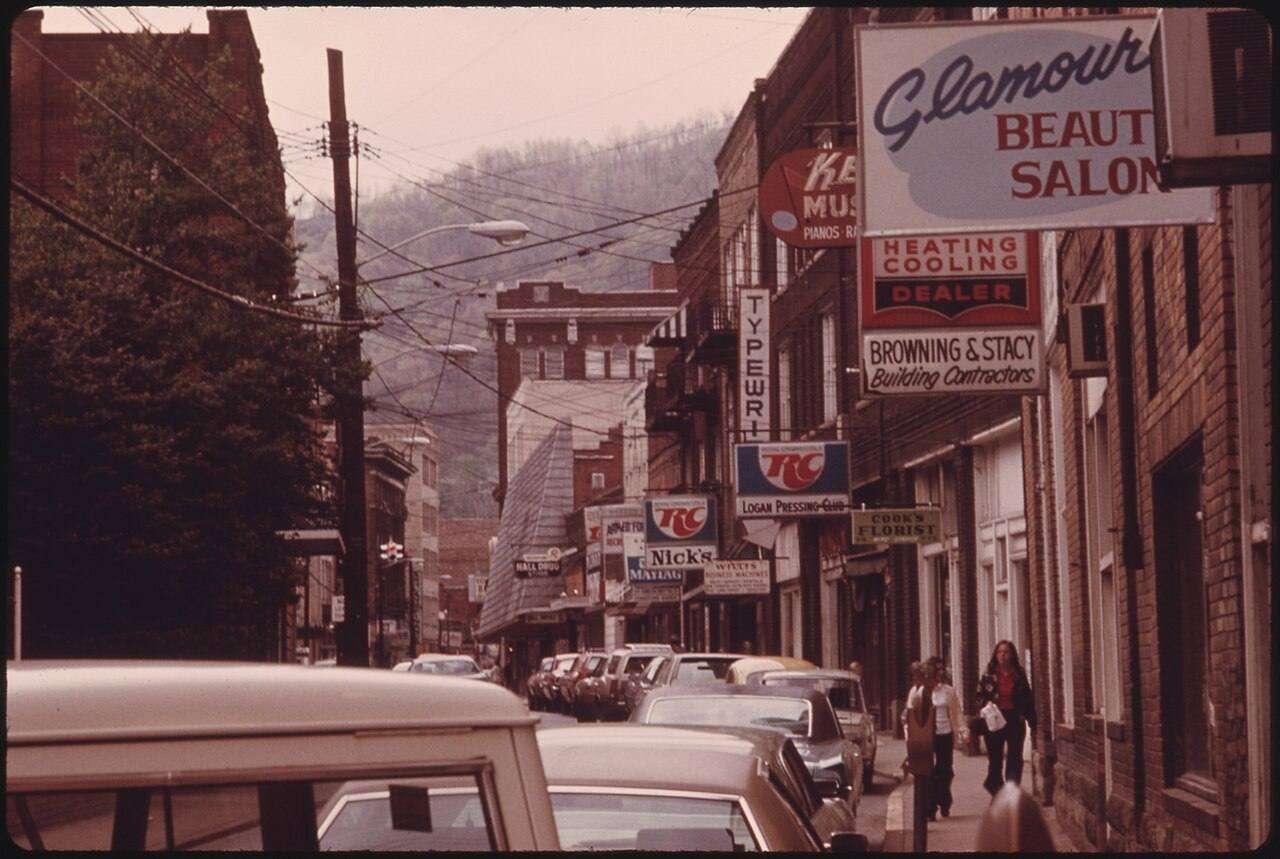
The Great Disconnect
In an age where rhetoric often overshadows substance, we find ourselves bombarded with grand promises from both ends of the political spectrum. The left, with its idealistic visions of equality and social justice, and the right, with its fervent cries for individual freedom and economic prosperity, both present narratives that appeal to our hopes and fears. Yet, as citizens, we must ask ourselves: how much of what we hear is genuine, and how much is mere political theater?
Take, for instance, the left's relentless pursuit of a welfare state aimed at uplifting the underprivileged. While the intentions are commendable, the execution often leaves much to be desired. Bureaucratic inefficiencies and misallocated resources plague these initiatives, leading to a growing sentiment that promises of a safety net are little more than hollow words. Citizens are left wondering if they are indeed better off or simply caught in a bureaucratic web designed to perpetuate the status quo.
On the other hand, the right champions the ideals of capitalism and personal responsibility. Yet, in practice, this often translates to tax cuts for the wealthy while the working class continues to struggle under the weight of inflation and stagnant wages. The promise of a trickle-down effect has yet to materialize for many, leading to disillusionment and frustration among those who believed in the American Dream. Citizens are left questioning whether their hard work will ever be rewarded in a system that seems rigged against them.
"In an age where rhetoric often overshadows substance, we find ourselves bombarded with grand promises from both ends of the political spectrum."
The Illusion of Choice
Amidst this cacophony of competing narratives, we must confront the reality of our choices. The political system is increasingly characterized by a binary opposition, where the left and right vie for dominance rather than addressing the nuanced issues facing our communities. This polarization cultivates a sense of civic boredom, as citizens feel trapped in a cycle of choosing the lesser of two evils rather than engaging with candidates who genuinely represent their interests.
The result is a disengaged electorate, one that is more likely to turn off the news than to participate in the democratic process. Voter turnout is a telling indicator of this disillusionment. When citizens feel their voices are drowned out by the blaring horns of partisan rhetoric, apathy becomes an all-too-common response. Civic engagement is not merely a duty; it is a vital component of a functioning democracy. Yet, as it stands, many citizens find themselves sidelined in favor of sound bites and slogans.
Reclaiming Civic Engagement
So, what can be done to combat this civic boredom? First and foremost, we must demand accountability from our leaders. Public claims must be backed by action, and citizens should insist on transparency in government operations. This means holding politicians’ feet to the fire when they fail to deliver on their promises, regardless of their political affiliation.
Moreover, we must cultivate a culture of informed citizenship. Engaging with local issues and understanding the intricacies of policies can help bridge the gap between public claims and reality. Town halls, community forums, and grassroots organizations are invaluable resources for fostering dialogue and encouraging participation. By empowering ourselves through knowledge, we can challenge the status quo and reinvigorate our democratic process.
Bridging the Gap
Ultimately, the path toward reclaiming civic engagement lies in bridging the gap between public claims and the lived experiences of citizens. Both the left and right must recognize that their ideologies are not mutually exclusive but rather pieces of a larger puzzle that requires collaboration and compromise. By fostering an environment where diverse perspectives can coexist, we can revitalize our democracy and combat the pervasive sense of civic boredom that currently plagues our society.
It is no longer enough to accept the narratives dictated by political elites. As engaged citizens, we must demand better from our leaders and ourselves. We owe it to future generations to ensure that democracy is not just a series of empty promises but a vibrant and participatory system that reflects the true will of the people.
✦ ✦ ✦