From the file. Written for the paper dated February 1978. Opened in the public stacks July 14, 2026.
Public clinics have become essential lifelines for many underserved communities, yet as the initial fervor for healthcare reform fades, questions arise about the effectiveness and accountability of these institutions.
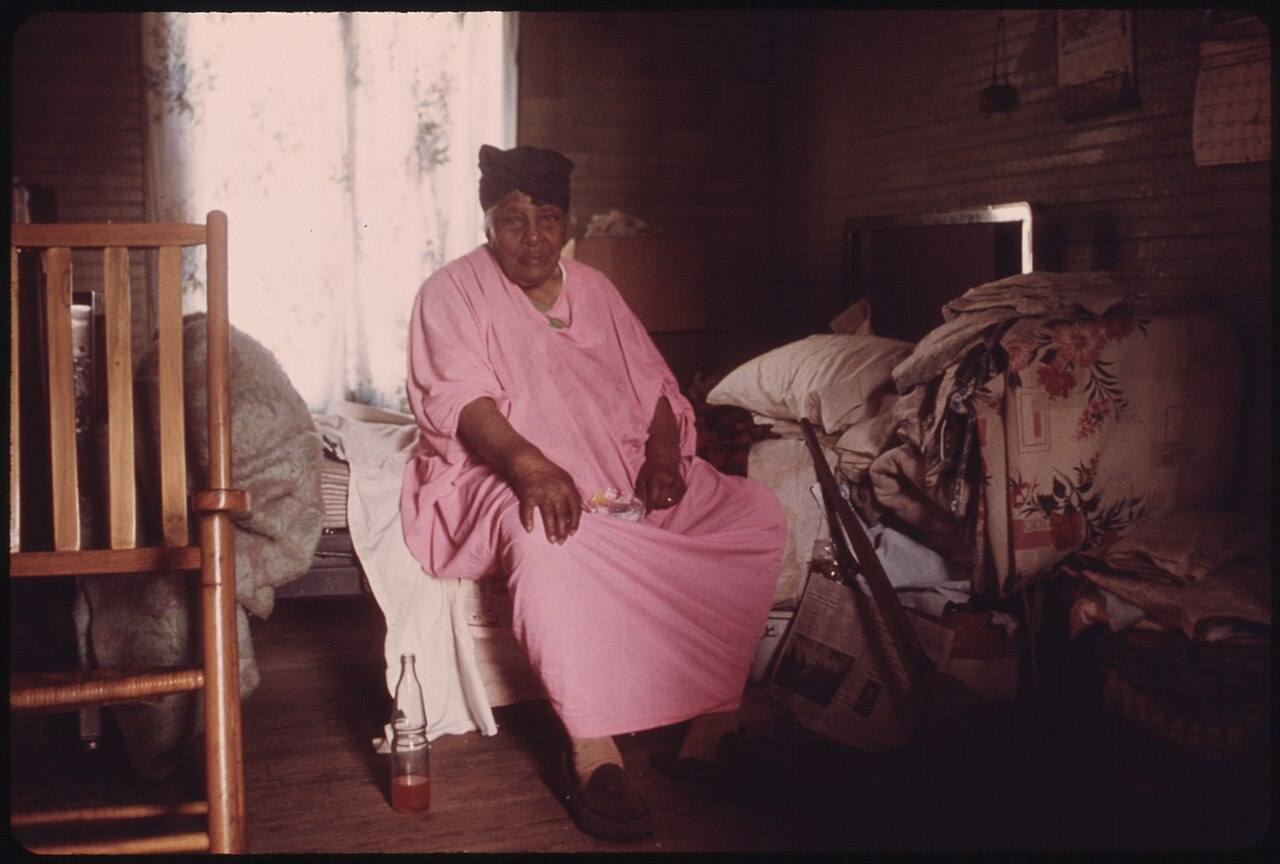
The Rise of Public Clinics
In recent years, public clinics have emerged as a critical component of the American healthcare system, especially as the need for accessible medical care has grown. These facilities, often funded by government initiatives, aim to provide vital services to low-income individuals and families. While the intentions behind establishing these clinics are commendable, it is crucial to examine how they operate and the ways in which they protect themselves from scrutiny.
As people flock to these clinics seeking affordable healthcare, they are often met with a mixed bag of services. In many instances, clinics are understaffed, and resources are stretched thin. This raises the question: are these institutions genuinely serving the communities they are intended to help, or merely providing cover for bureaucratic inefficiency?
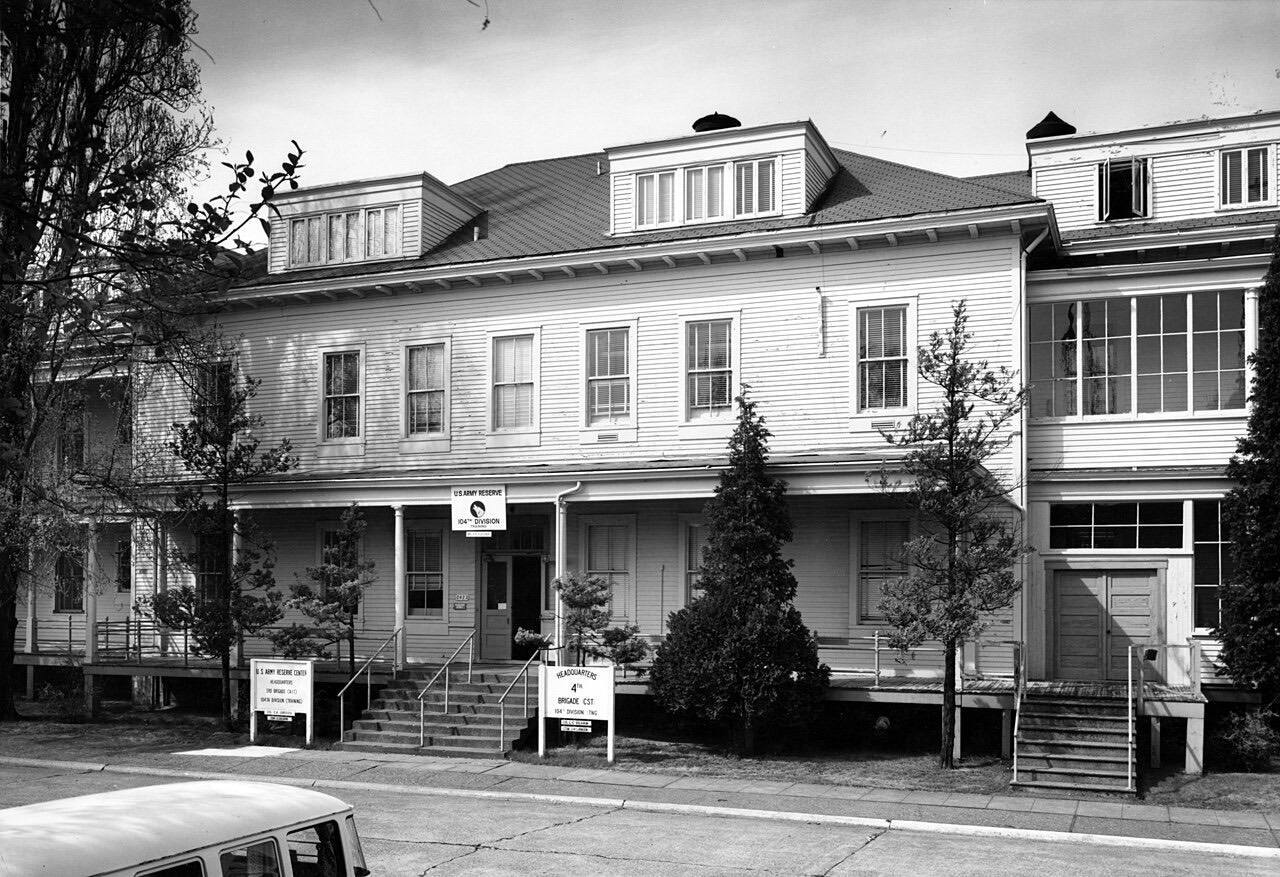
Institutional Self-Preservation
One of the alarming trends we are witnessing is the tendency of public clinics to prioritize institutional survival over patient care. This manifests in various ways, including a reluctance to report negative outcomes or to engage in rigorous evaluations of their services. Public clinics often operate under the assumption that any criticism could jeopardize funding, leading to a culture of defensiveness that ultimately hampers the quality of care provided.
“The fear of losing funding creates a climate where honesty about deficiencies is often sacrificed.”
Moreover, as clinics become increasingly reliant on government support, they may find themselves entangled in political machinations that further dilute their mission. The tug-of-war between federal funding directives and local healthcare needs can lead to a disconnect that exacerbates the very issues these clinics are meant to address.
Political Tug-of-War
On the left, advocates argue for expansive funding and resources to combat inequities in healthcare access. However, this push often ignores the administrative realities that many public clinics face. Resources allocated without stringent oversight can lead to waste and mismanagement, leaving the very communities they aim to help still underserved.
Conversely, those on the right criticize public clinics as symbols of government overreach and inefficiency. While there are valid concerns regarding the management of public resources, such critiques often overlook the importance of these clinics in providing necessary services to vulnerable populations. This binary thinking does a disservice to the nuanced realities of public healthcare, where both sides of the political spectrum may contribute to a cycle of neglect.
Community Responsibility
It is essential for communities to hold public clinics accountable, demanding transparency and quality in services. This will require active engagement from community members, who must take an interest in the operations of these facilities. Participation in local health boards, advocacy for better funding, and collaboration with healthcare professionals can help bridge the gap between institutional goals and community needs.
Future Directions
As we look toward the future of public clinics, there is a pressing need for reform that emphasizes both accountability and quality of care. Policymakers must prioritize support that encourages clinics to engage in introspection and improvement rather than merely focusing on survival. This approach will not only enhance the patient experience but also restore faith in public healthcare initiatives.
In order to achieve this, we need a comprehensive dialogue that includes healthcare professionals, community members, and policymakers. By fostering a collaborative environment, we can ensure that public clinics remain vital resources for those who need them most, rather than becoming bureaucratic entities that prioritize their own survival over the health of the communities they serve.
✦ ✦ ✦