From the file. Written for the paper dated January 1978. Opened in the public stacks July 14, 2026.
As oil prices skyrocket, both the left and right are grappling with their own incentives, complicating the response to a crisis that affects every American household.
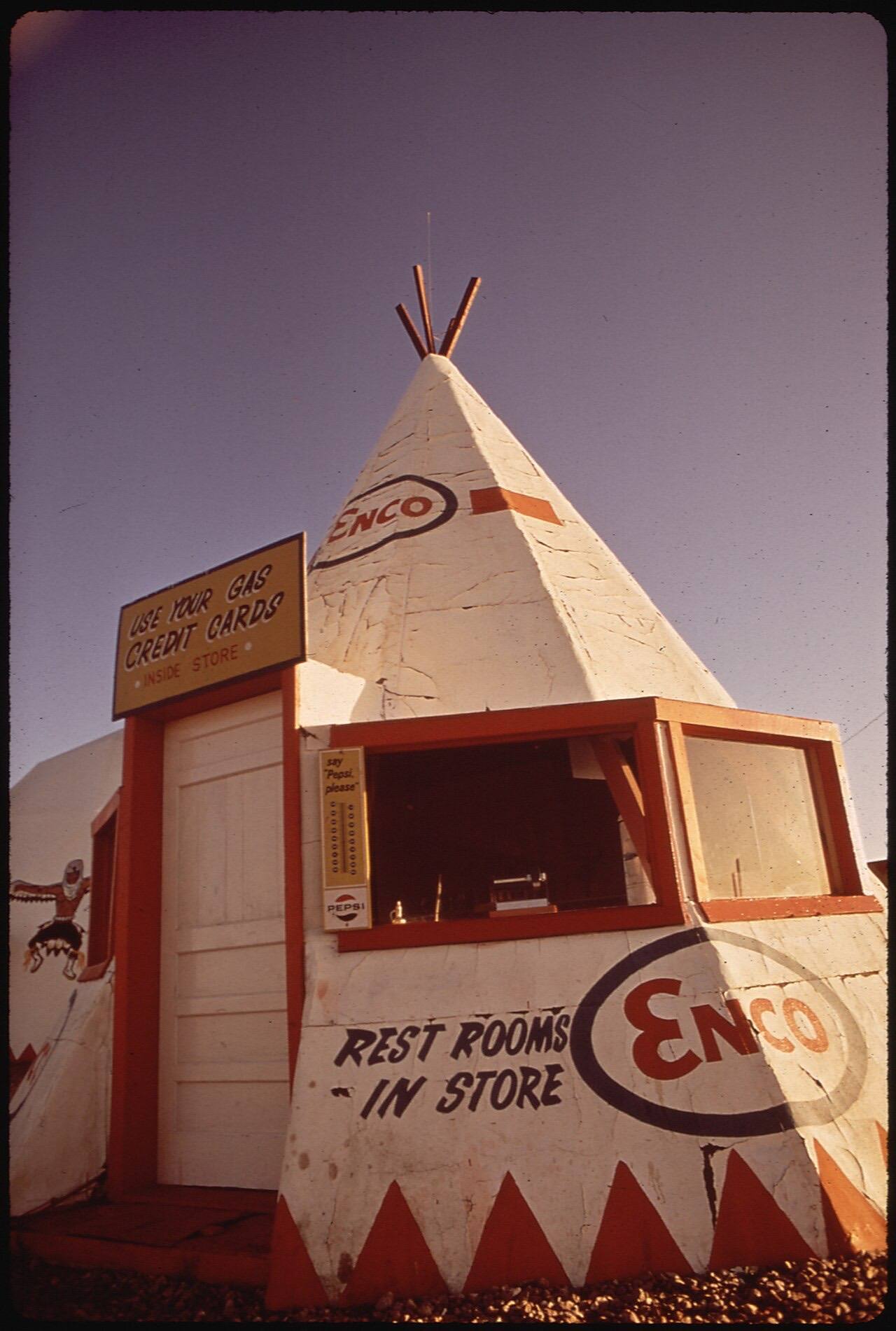
Current Landscape of Oil Prices
In recent months, consumers have felt the bite of rising oil prices at the pump, a situation that has become a flashpoint in American politics. The cost of crude oil has surged, driven by geopolitical tensions and supply chain disruptions. As a result, families are stretching their budgets to accommodate the increased expense of fuel. But as the price of oil rises, so too do the stakes for politicians on both sides of the aisle.
Left's Call for Regulation
Progressives are advocating for greater regulation of oil companies, arguing that the recent price hikes are a sign of corporate greed. They assert that the oil industry is taking advantage of the situation to bolster profits at the expense of ordinary citizens. This perspective is bolstered by the belief that the government must step in to ensure that energy remains affordable for all. Some on the left are calling for windfall taxes on oil profits, suggesting that the government could use these funds to invest in renewable energy and provide relief to consumers.
The Right's Emphasis on Deregulation
Conversely, conservatives are pushing back against any form of increased regulation, arguing that it would stifle investment and innovation in the energy sector. They claim that the best way to address rising prices is to promote deregulation and allow the free market to work its magic. Many on the right are advocating for increased domestic oil production, believing that a more robust supply will help alleviate price pressures. This perspective underscores a larger ideological battle over the role of government in the economy.
"The question is not just about fuel prices; it's about how we envision our energy future and the role of government in shaping it."
Incentives at Play
Both sides, while presenting starkly different solutions, are motivated by their own political incentives. For the left, there is a critical opportunity to rally support around economic justice and environmental sustainability. By positioning themselves as defenders of the average consumer, they can tap into widespread frustration over rising living costs.

On the right, there is a push to align with business interests and promote an agenda that favors less government intervention. The fear is that increased regulation could hurt economic growth, a core tenet of conservative philosophy. By framing the issue through the lens of free enterprise, they aim to galvanize their base and attract undecided voters who prioritize economic stability over regulatory measures.
Public Sentiment and Political Ramifications
Public sentiment appears to lean toward a desire for immediate relief from rising prices. Polls indicate that many Americans are concerned about their ability to afford basic necessities as fuel costs surge. However, the solutions being proposed by both parties may not entirely resonate with the electorate, indicating a possible disconnect between political rhetoric and the desires of constituents.
Moreover, the implications of these rising oil prices extend beyond economic concerns. They touch on national security, energy independence, and the future of American manufacturing. As both sides of the political spectrum grapple with the complexities of these issues, the potential for bipartisan cooperation appears slim, further complicating the pathway to a solution.
Conclusion: Navigating the Energy Debate
The debate over oil prices is emblematic of a larger struggle within American politics - a struggle between regulation and free market principles, between corporate accountability and economic growth. As both sides push their agendas, one must wonder if they will ultimately meet the needs of the American people or if they will be ensnared in their ideological battles. The stakes are high, and the outcomes will reverberate through our economy for years to come.
✦ ✦ ✦